

Hair Strengthening Sessions with PRP: How Often Should You Have It Done?

PRP Hair Strengthening Sessions: How Often Should You Have Them?
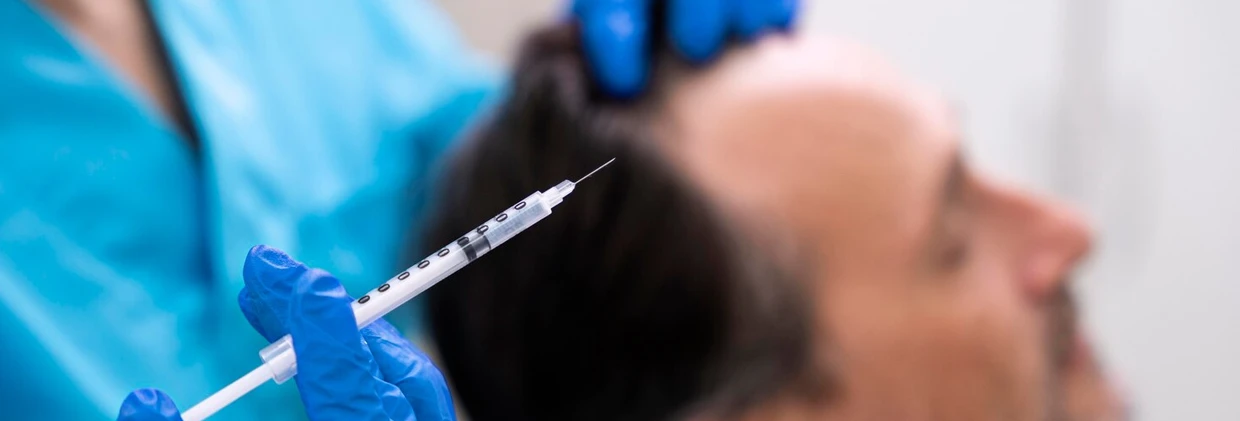
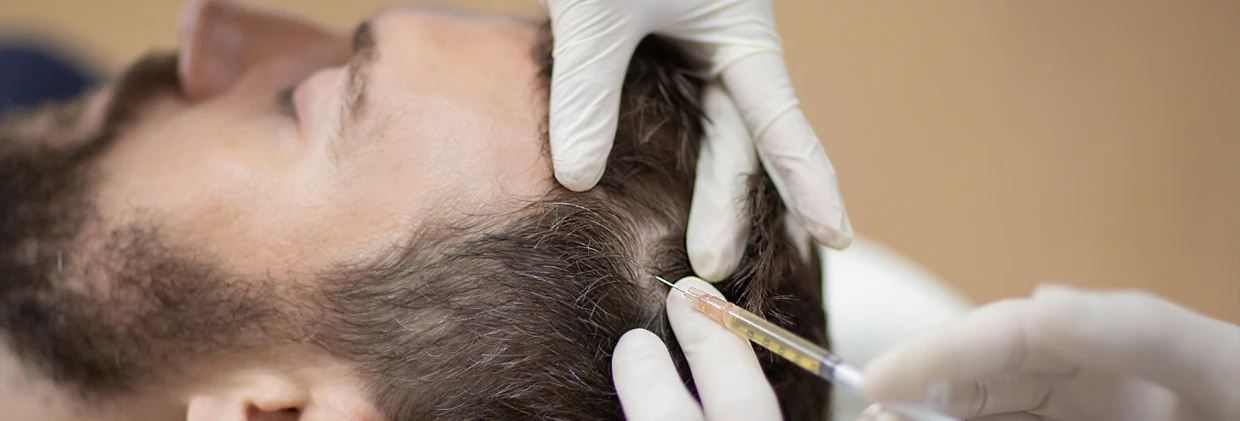
PRP Hair Strengthening – Among modern hair treatments, PRP (Platelet-Rich Plasma) is one of the most popular and effective methods, offering a promising solution for those struggling with hair loss. PRP is the process of injecting plasma—enriched with growth factors and derived from the patient’s own blood—into the scalp. This treatment helps revitalize hair follicles, strengthen existing hair, and support the formation of new hairs. However, one of the most frequently asked questions from our patients is: “How often should PRP sessions be performed, and how many sessions are needed?” In this article, we will explain the answer to this question in detail in the light of scientific data and our clinical experience, and describe how a personalized treatment plan is created for you.
The success of PRP treatment does not depend on a single session. Reviving hair follicles and establishing a healthy growth cycle is possible with sessions applied regularly at specific intervals. There are various factors that determine the number and frequency of sessions to get maximum benefit from treatment. These factors stem from the differences in each individual’s hair loss status and biological makeup. At Görkem Kazan Hair Transplant clinic, we create a personalized treatment protocol tailored to each patient’s needs.
Factors That Determine the Number of PRP Sessions
When planning a PRP treatment, not only the number of sessions but also the interval between sessions is of great importance. This planning is done by considering the following factors:
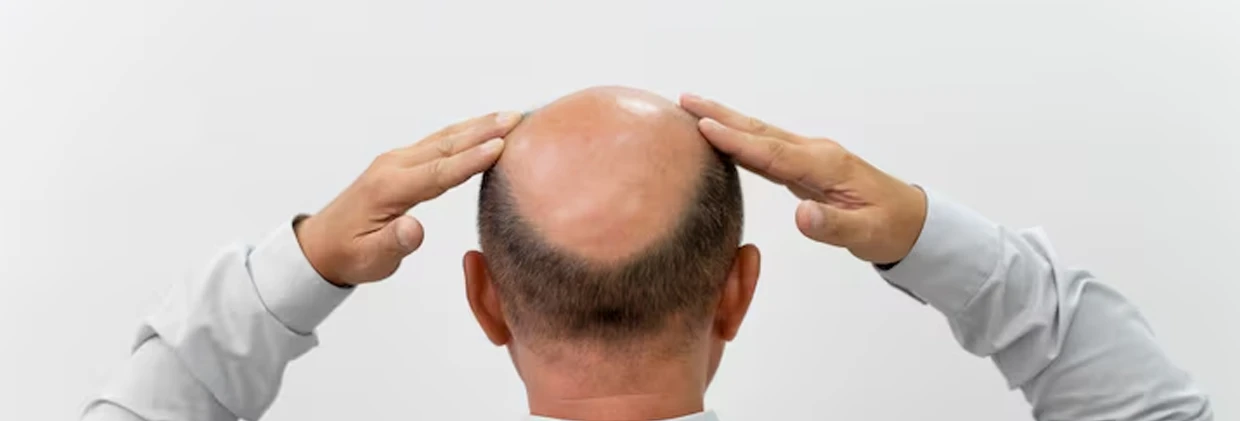
- Degree of Hair Loss: The severity and duration of hair loss directly affect the required number of sessions. While 3–4 sessions may be sufficient for early-stage loss, more sessions may be needed for advanced cases.
- Hair and Scalp Health: The current condition of the scalp and hair follicles determines the course of treatment. PRP yields much more effective results when follicles are not completely dead but simply weakened.
- Age and Genetic Factors: PRP may have a higher success rate in hair loss that begins at a younger age. However, in individuals with a genetic predisposition to hair loss, maintenance sessions become more critical to ensure lasting results.
- Lifestyle Habits: Factors such as smoking, inadequate nutrition, stress, and sleep patterns can negatively affect treatment efficacy. Individuals with these habits may require more sessions, or the frequency of maintenance sessions may need to be increased.
- Expectations and Goals: What the patient aims to achieve also determines the number of sessions. Protocols differ for a patient who only wants to stop shedding versus one who wants to increase density.
A Standard PRP Treatment Protocol
In light of the above factors, most PRP treatments consist of two main phases:
1. Initial Treatment Phase
This phase is applied primarily to individuals who are newly starting hair loss treatment. The goal here is to intensely stimulate the follicles and reverse the shedding process. A standard initial protocol consists of 3–4 sessions performed at 3–4 week intervals. This interval ensures that hair follicles are regularly exposed to the growth factors in plasma and that the regeneration process continues uninterrupted. By the end of this phase, there is a noticeable reduction in hair loss and a significant strengthening of existing hairs.
2. Maintenance Treatment Phase
Maintenance sessions are critical to preserving the gains achieved after the initial phase and ensuring ongoing hair health. Because the effects of growth factors diminish over time, these sessions should be repeated at set intervals. The frequency of maintenance sessions depends on the individual, but generally 1 or 2 sessions per year are sufficient. In some cases, this interval may be reduced to every 6 months. This phase helps PRP become a lasting solution and allows your hair to remain strong over time.
Combining PRP with Other Treatments
Although PRP is highly effective on its own, combining it with other hair treatments can create a synergistic effect and maximize results. Experts particularly recommend using PRP with the following methods:
- Together with Hair Transplantation: PRP can be applied before, during, or after a hair transplant. When applied preoperatively, PRP helps prepare the donor and recipient areas; when applied postoperatively, it supports faster graft survival and shortens recovery. In this way, success rates for FUE hair transplant and DHI hair transplant can be improved.
- Together with Hair Mesotherapy: Hair mesotherapy involves injecting vitamins, minerals, and amino acids directly into the scalp. When used with PRP, growth factors and nutrients are delivered simultaneously, creating a much stronger effect.
- Together with Stem Cell Therapy: Especially when combined with next-generation treatments like stem cells and exosomes, PRP can significantly enhance the regeneration and revitalization capacity of hair follicles.
What Should Be Considered During the Treatment Process?
To get maximum benefit from PRP sessions, certain important points must be observed. A healthy lifestyle supports the success of treatment. Tobacco and alcohol use adversely affect blood circulation, preventing adequate nutrients from reaching the follicles. Therefore, it is very important to avoid these habits during the treatment period. Additionally, paying attention to scalp hygiene, using the shampoos recommended by your doctor, and avoiding strenuous sports are critical to treatment success. Institutions such as the American Academy of Dermatology emphasize that patients should pay attention to lifestyle and care routines during hair treatments.
In conclusion, the number and frequency of PRP hair treatment sessions are determined according to each individual’s unique needs. This is not a one-size-fits-all prescription, but rather a personalized roadmap. Consulting a specialist physician for an accurate diagnosis and a personalized treatment plan is the most important step in this journey. As the Görkem Kazan Hair Transplant clinic, we stand by your side with hair analysis to determine the most suitable treatment method for you and help you achieve healthy, strong hair.