

FUE Hair Transplantation in the Recovery Period: Hairline Formation and First 3 Months Guide

FUE Hair Transplantation in the Recovery Period: Hairline Formation and First 3 Months Guide
FUE Hair Transplantation (Follicular Unit Extraction) is one of the most preferred aesthetic procedures today thanks to its natural and permanent results. However, the success of a hair transplant is not limited to the procedure itself. Equally important is the recovery phase. For the transplanted follicles to adapt to their new location, grow stronger, and achieve a natural look, patience and proper care are essential. This guide explains in detail what to expect in the first 3 months after an FUE hair transplant, how your hairline takes shape, and what you should pay attention to. At Görkem Kazan Hair Transplant, we transparently share all information to ensure our patients experience this period as smoothly as possible.
Hair transplantation is essentially a microsurgical procedure. Therefore, it is completely natural for your body to enter a healing process after surgery. The first 3 months are critical for the follicles to adapt to their new blood supply, become resistant to external factors, and transition into their final growth phase. During this time, monitoring the changes in both the donor and recipient areas will help you better understand the process and avoid unnecessary worry.
First 10 Days: Follicle Locking Phase
The first days after an FUE transplant are the most delicate. The primary goal during this period is to provide maximum protection without harming the transplanted follicles. Redness and slight swelling in both the donor and recipient areas are normal immediately after surgery. Swelling around the forehead and eyes usually subsides within a few days. Keeping your head elevated at a 45-degree angle helps reduce swelling more quickly. In the donor area, small red dots, or micro punch marks, appear. These begin to scab within 2–3 days.
First Wash: The first wash after the transplant is performed in our clinic using a special lotion and shampoo by our specialists. This first wash reduces the risk of infection and also teaches you the proper washing technique. After this, you are asked to continue washing according to the given instructions. During this process, you must avoid scratching with your nails or making harsh movements. By the end of the first week, the follicles start to settle firmly into their new place, completing the “locking” process.
Weeks 2–4: Scab Shedding and “Shock Loss”
Within 10–15 days after surgery, the scabs in the recipient area begin to shed. With proper washing techniques, these scabs gently fall away, revealing a clearer view of the transplanted area. Scab shedding is a reassuring milestone that indicates the follicles have now securely settled.
However, after the scabs fall off, the so-called “shock shedding” phase begins in weeks 3 and 4. This is the stage that causes the most concern among patients but is entirely normal and expected. Shock shedding happens when the transplanted follicles are stressed and shed their hair shafts. This is not permanent hair loss; the follicles remain intact and simply enter the resting phase before producing new, healthy hair shafts. Many international dermatology organizations state that this shedding is a natural part of the healing process.
Month 2: Patience and Waiting Phase
The shock shedding phase typically ends by the end of the 2nd month. At this stage, the recipient area may look thinner compared to before the operation. This is completely normal. Patience is key here. The follicles are in their resting phase, gathering energy to start regrowth in about 3 months. Meanwhile, healing in the donor area is complete, redness has decreased, and the hair has returned to its normal growth cycle. Mild itching may occur at this point, which is also a sign of healing.
Month 3: First Hair Sprouts and the Beginning of Change
One of the most exciting phases of a hair transplant begins toward the end of the 3rd month. After completing their resting phase, the follicles start producing new, healthy hair shafts. These first hairs are usually thin, curly, and weak. Don’t worry—over time, they will become thicker and stronger. Especially along the FUE hair transplant hairline, the direction and angle of these early hairs reflect the surgeon’s skill during the procedure. Proper angling is crucial for a natural look. At this stage, paying attention to your nutrition and regularly taking vitamins recommended by your doctor will support faster hair growth.
Important Warnings and Care During Recovery
The first 3 months after surgery directly impact the quality of the final result. Here are some key points to pay attention to during this period:
- Sun Protection: For the first 3 months, protect the transplanted area from direct sunlight. Wearing a hat or using sunscreen is important. Excessive heat and humidity can also harm the follicles.
- Exercise and Heavy Sports: Avoid heavy sports and activities that cause sweating for the first 15 days. Sweat increases the risk of infection for the follicles. With your doctor’s approval, you may resume light exercise after 1 month.
- Alcohol and Smoking: Smoking slows blood flow and prevents follicles from receiving nutrients. Alcohol thins the blood and may delay healing. Avoid both for at least the first month to ensure successful results. Research by the National Library of Medicine supports the negative effects of smoking and alcohol on hair transplant outcomes.
- Proper Nutrition: A diet rich in protein, vitamins, and minerals is vital for strengthening the follicles. Biotin, zinc, iron, and B vitamins are especially important for hair health.
- Sleeping Position: For the first week, sleep on your back with your head elevated. This reduces swelling and prevents accidental damage to the grafts.
- Hair Products: Do not use chemical products other than the shampoo and lotions recommended by your doctor. Avoid hair sprays, gels, and similar products during the first 3 months.
Hairline Design and Early Appearance
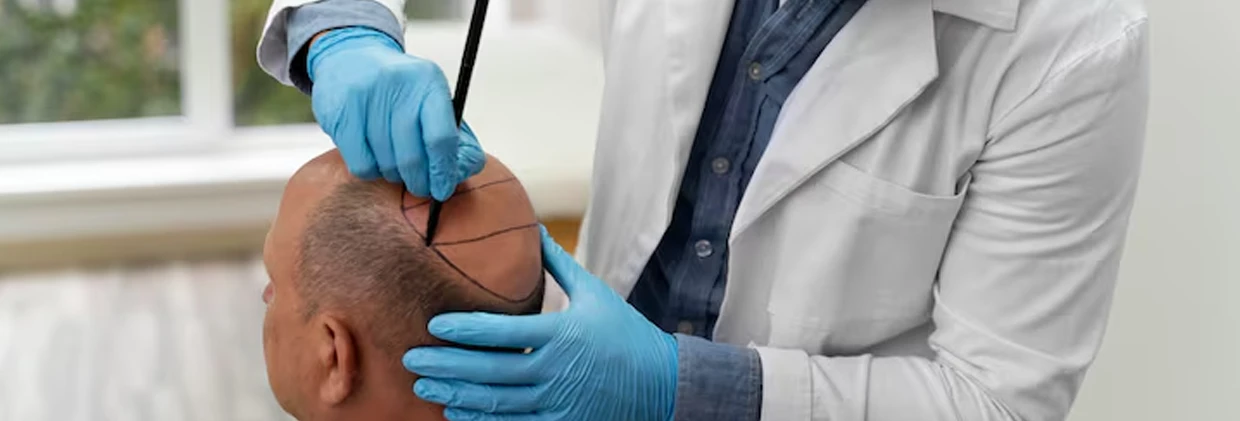
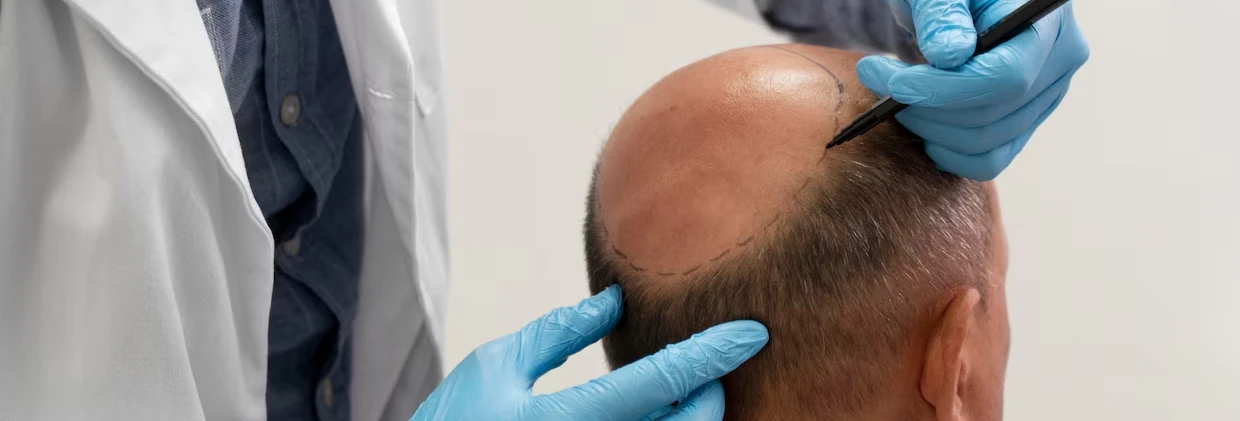
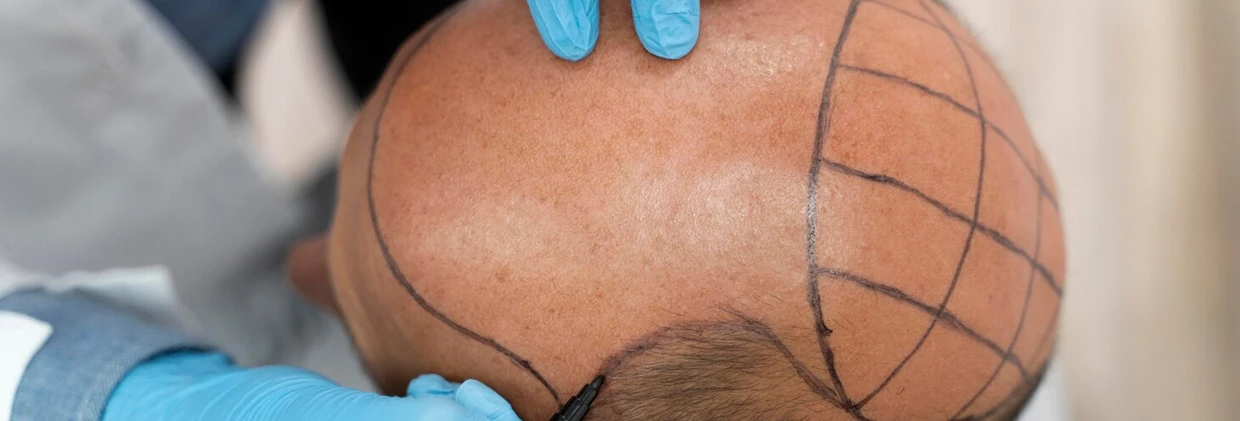
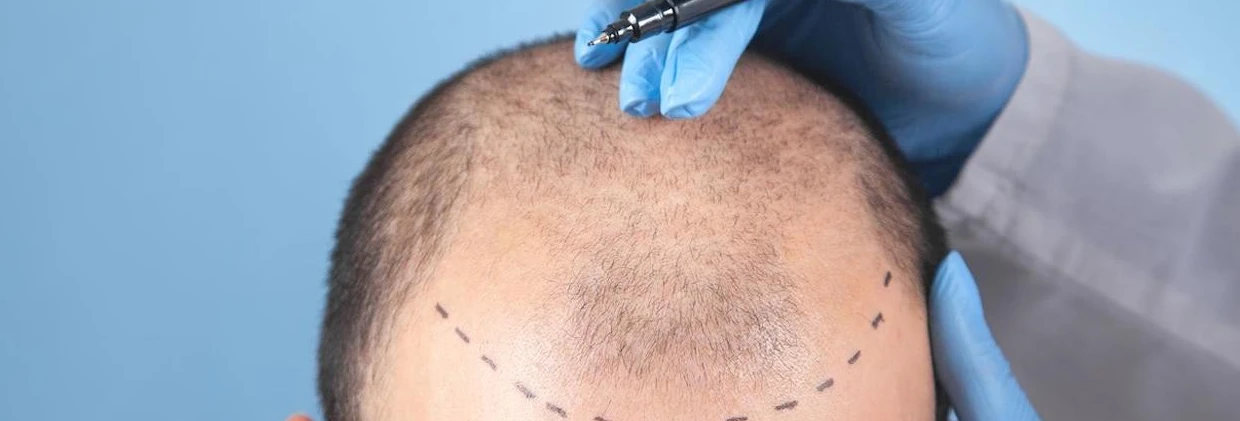
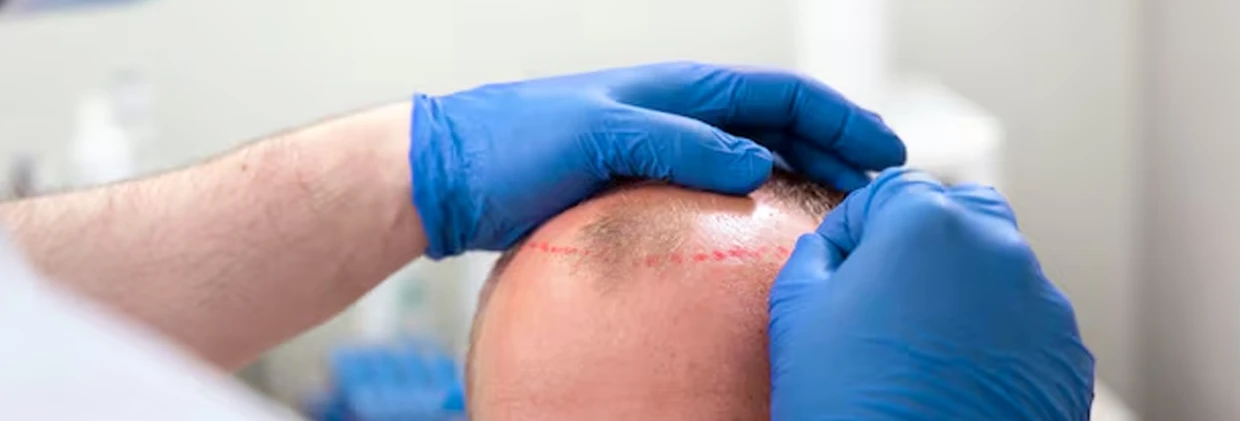
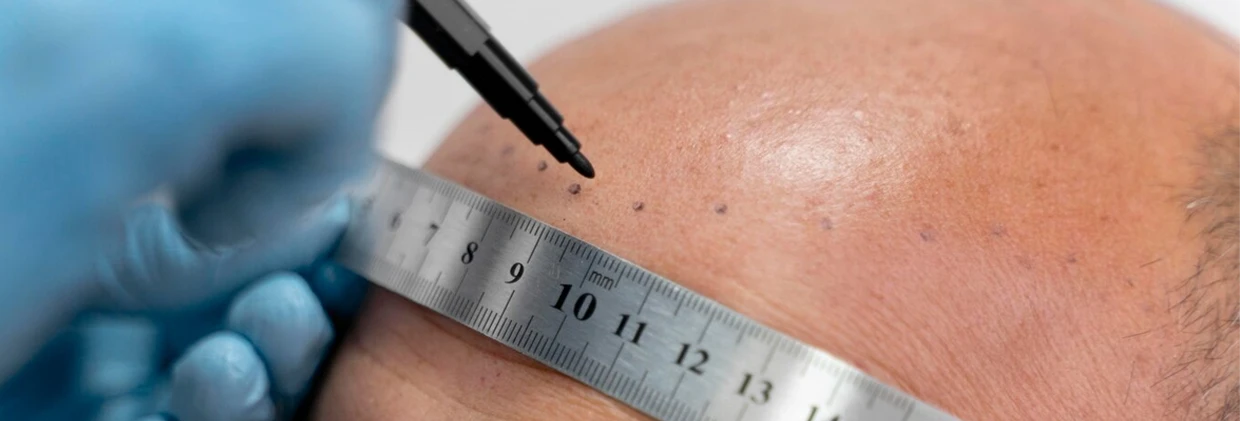
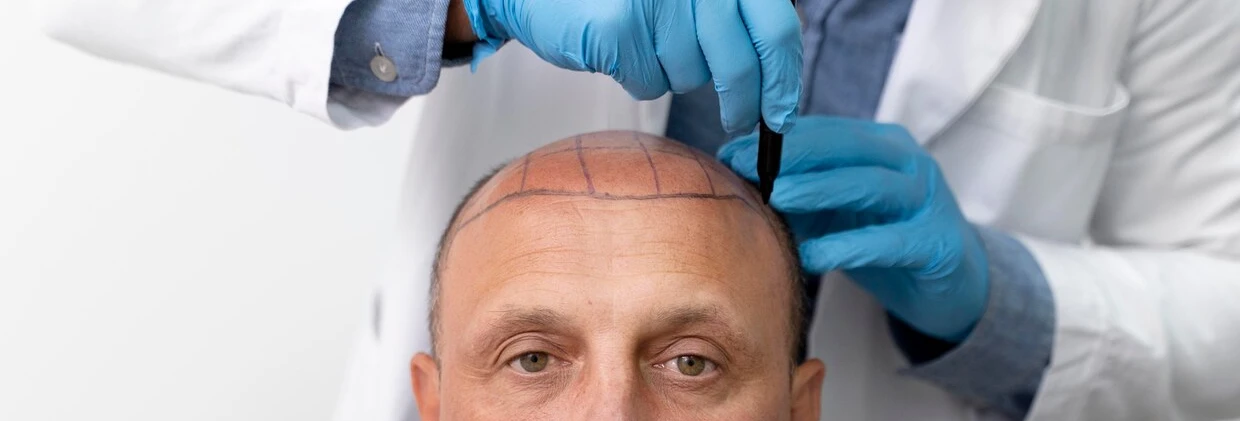
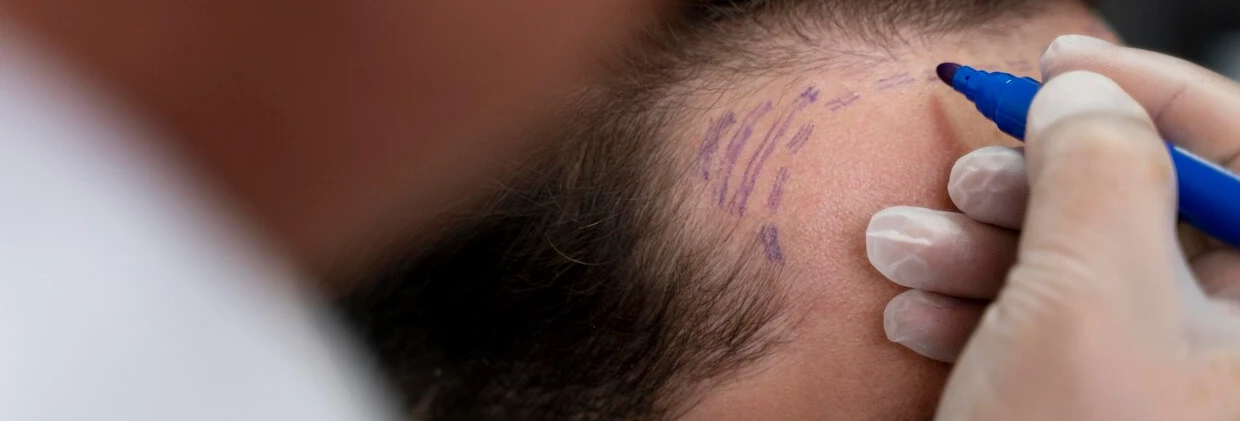
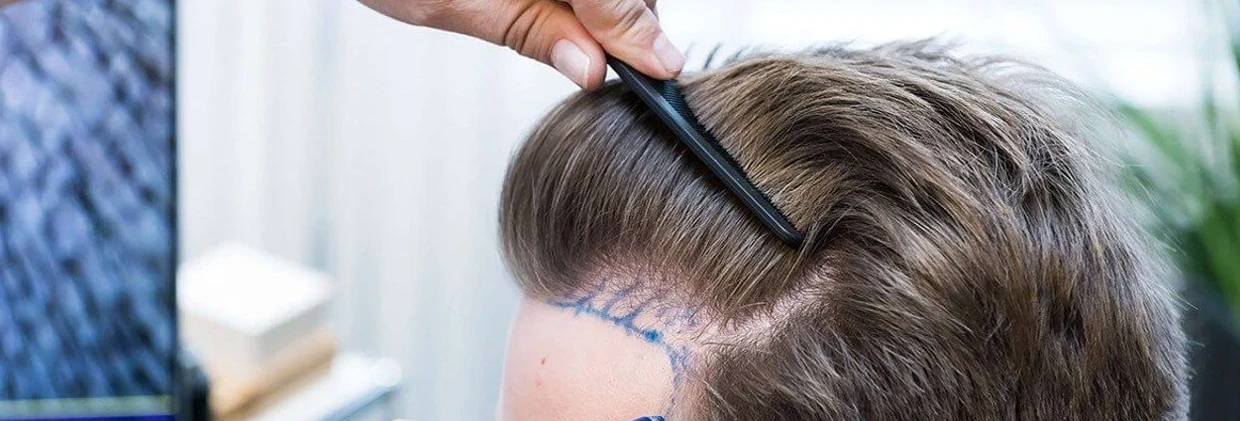
One of the most important aesthetic elements of a hair transplant is the design of the hairline. An experienced surgeon creates a hairline that suits your facial features and age while looking completely natural. In the first month after surgery, the hairline begins to appear more defined, but its final shape may take 6–12 months to form. During the early months, the newly emerging hairs may look thin and uneven, sometimes giving the impression of an irregular or asymmetrical hairline. However, this is only temporary. As the follicles strengthen and the hairs thicken, your hairline will gradually look fuller and more natural. Patience is crucial, and you must allow your hair to reach its natural state over time. Consulting the recommendations of organizations like the International Society of Hair Restoration Surgery (ISHRS) can also provide reassurance during this process.
Conclusion: Patience and Expertise
The first 3 months after an FUE hair transplant mark the beginning of a transformation. This period lays the foundation for your new hair and new appearance. The sensitivity of the early days gives way to the excitement of seeing your first new hairs by the end of the 3rd month. It is important to remember that a successful hair transplant does not end with the surgery but is crowned with the care shown afterward. At Görkem Kazan Hair Transplant, we stand by you not only during the operation but throughout your recovery journey. Feel free to contact us with any questions or concerns. Whether you seek information about DHI hair transplant or hair analysis, our expert team is happy to assist you. Taking the right steps during this journey is essential for achieving healthy, natural hair. Remember, every step in this process is aimed at ensuring the perfect final result.