

Things to Consider After SCAR Transplantation: For a Successful Recovery

Things to Consider After SCAR Transplantation: For a Successful Recovery
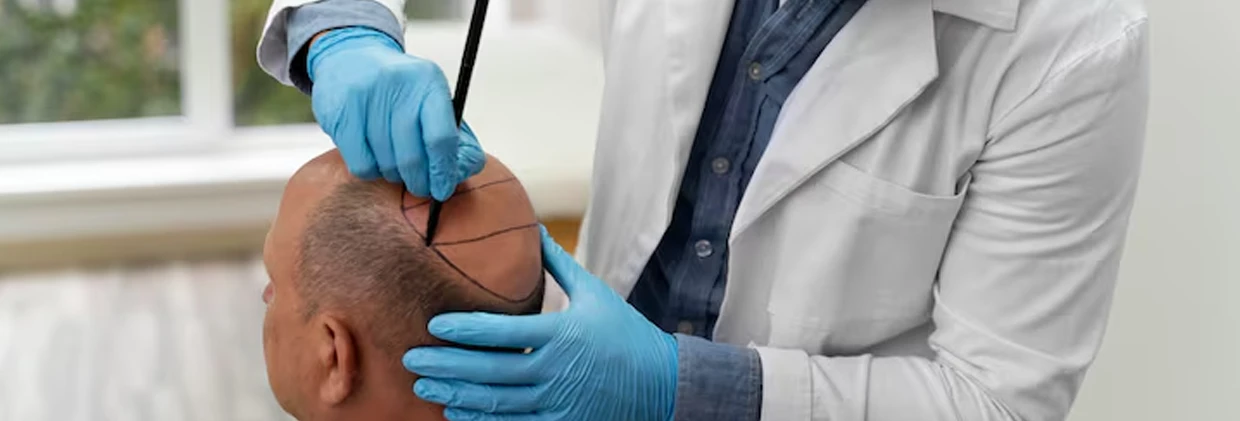
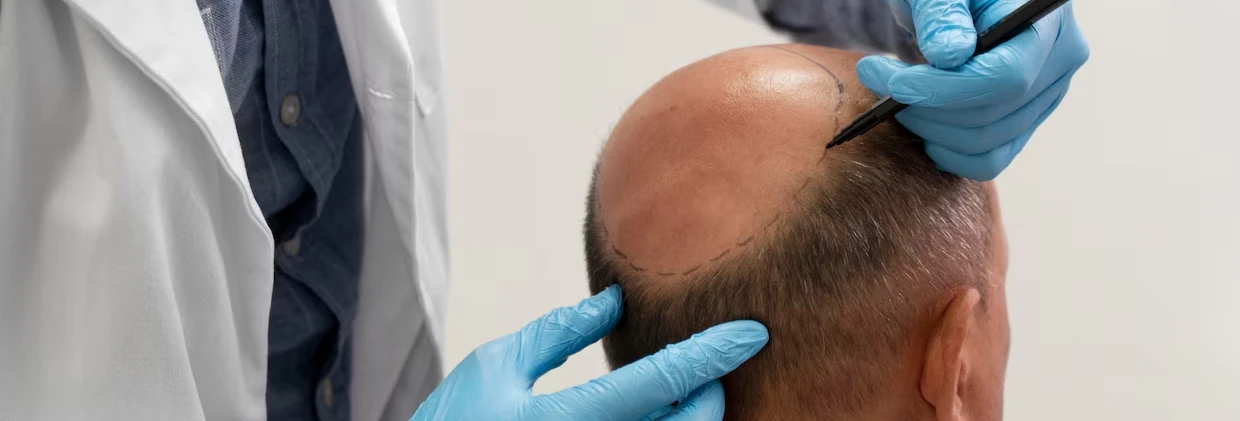
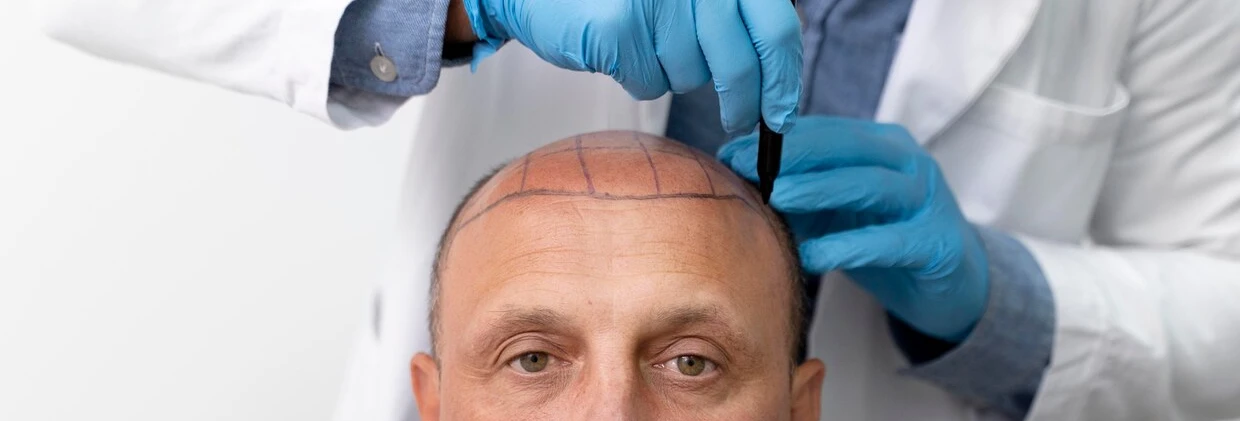
Things to Consider After SCAR Transplantation – Thanks to advancements in hair transplant technologies, permanent and natural solutions are now much more accessible for those experiencing hair loss. However, the success of a hair transplant operation is closely related not only to the quality of the transplant but also to the meticulous post-operative care. Especially since a “Scar Transplant” (Hair Transplant on a Scar) is a special procedure aimed at covering scars resulting from the donor area or a previous failed FUE/FUT procedure, the recovery period requires extra attention and care. As Görkem Kazan Hair Transplant clinic, we explain in detail the steps to be taken during the healing process for our patients who have undergone a scar transplant to achieve the best results.
A scar transplant differs from a standard hair transplant because scar tissue has a different structure than normal scalp skin. Blood circulation is weaker and elasticity is lower in scar tissue. This can affect the survival rate of the transplanted hair follicles. Therefore, post-operative care is vital for the follicles to successfully adapt to the scar tissue. A successful recovery will significantly reduce the appearance of the scar and provide a natural hair density.
First 10 Days: Protecting the Grafts and Delicate Care
The first 10 days after a scar transplant are the most critical time for the transplanted grafts to attach to the scar area. Here are the things you need to pay attention to during this period:
- Avoid Contact and Friction: Touching, scratching, or rubbing the transplanted grafts is strictly forbidden. For the first few nights, you should sleep on your back with your head elevated on a high pillow. Since the scar area is sensitive, even the slightest impact can lead to graft loss.
- First Wash and Scab Management: The first wash is usually performed at our clinic 24 to 48 hours after the operation. The special lotions and shampoos provided to you will help soften and shed the scabs in the scar area. The scabs should not be forced off; they are expected to detach gently on their own within about 7-10 days. Due to the sensitivity of the scar tissue, washing should be done with extra gentle movements.
- Swelling and Redness: It is normal to see mild swelling and redness in the operation area, especially for the first 3 days. The swelling can often descend to the eye area. This condition is temporary. Keeping your head upright and applying ice packs as recommended by your doctor (without direct contact with the transplanted area) will help reduce the swelling quickly.
First 1 Month: Supporting Circulation and Accelerating Healing
After the first 10 days, your focus should be on improving blood circulation to support the healing process and increase the graft survival rate:
- Ban on Smoking and Alcohol: Smoking constricts blood vessels, significantly reducing the flow of oxygen and nutrients to the scar tissue. In a scar transplant, since the blood supply to the scar tissue is already poor, smoking multiplies the risk of reducing the graft survival rate. Therefore, smoking and alcohol must be strictly avoided for the first month. Research from the National Library of Medicine (NCBI) supports the importance of blood circulation for hair follicle health.
- Sun and Excessive Heat: Protect the transplanted area from direct sunlight for the first month. Avoid sunbathing, tanning beds, excessively hot baths, or saunas. Extreme heat and UV rays can damage the scar tissue and cause discoloration of the transplanted grafts.
- Physical Activity: For the first 15 days, avoid strenuous sports, sexual activity, and any movements that could strain your head. Exercise and sweating can increase the risk of infection and cause the grafts to dislodge. You can start light-paced sports at the end of the first month with your doctor’s approval.
3rd Month and Beyond: New Hair Growth and Maintenance Care
From the third month onwards, the natural cycle after a hair transplant begins. During this period, the changes in the scar tissue become more apparent:
- Shock Loss: The transplanted hair in the scar area will experience “shock loss” between the 2nd and 4th weeks, just like in a normal transplant. This is completely normal and is a sign that the follicles are entering a resting phase. Do not panic.
- First Hair Growth: From the 3rd month onwards, the first new hairs will begin to emerge in the scar area. These hairs may initially be thin and weak. Over time, they will thicken and begin to permanently cover the scar.
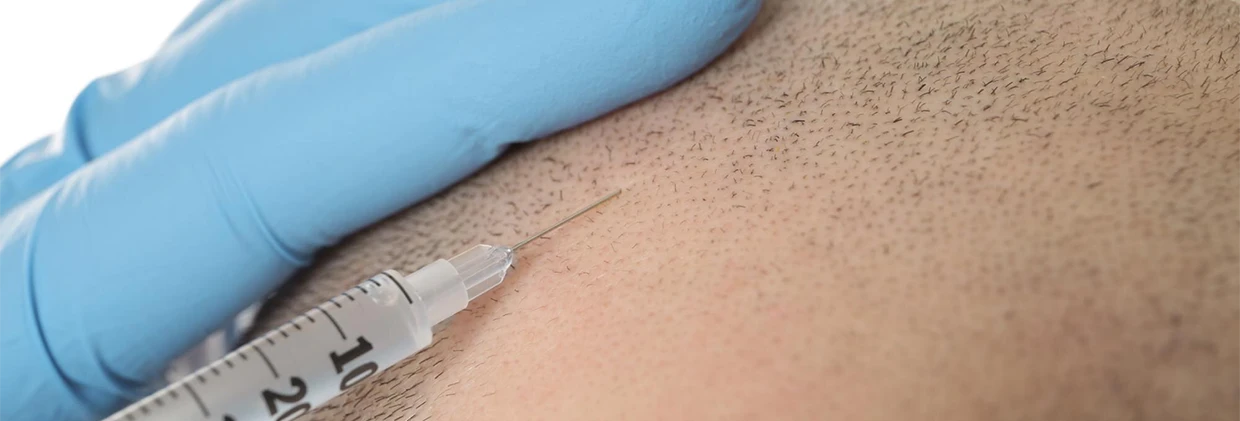
- Support for Scar Treatment: With your doctor’s recommendation, applying supportive treatments such as PRP, mesotherapy, or stem cell support therapies at this stage can be highly beneficial for better healing of the scar tissue, strengthening the transplanted hair, improving the survival rate, and enhancing the color of the scar.
- Massage and Flexibility: With your doctor’s approval, gently massaging the scar area after the 3rd month can help increase blood circulation, leading to the softening of the scar tissue and an increase in its flexibility.
A scar transplant is an art that requires a high level of expertise. The successful growth of hair follicles transplanted onto a scar is possible with patient and disciplined care. As Görkem Kazan Hair Transplant, we are with you every step of the way, ensuring your scars are camouflaged with natural hair and offering you personalized support throughout this process. With our expert team that closely follows the scar transplant protocols of organizations like the International Society of Hair Restoration Surgery (ISHRS), we strive to achieve the most natural and successful results for you. A successful recovery is the first step to achieving permanent and natural hair.