

5 Common Mistakes in Hair Transplantation and How to Avoid Them

5 Common Mistakes in Hair Transplantation and How to Avoid Them
Hair transplantation is a permanent solution that completely reshapes your facial features and self-confidence, improving your quality of life. However, this aesthetic journey is filled with critical steps that both the operating surgeon and the patient must pay close attention to. A successful hair transplant result is achieved not only through a perfect surgical procedure but also through correct pre-operative planning and disciplined post-operative care. Unfortunately, common mistakes, often resulting from a lack of information or misguidance, can significantly lower the quality of the final results. As the Görkem Kazan Hair Transplant clinic, we detail the 5 most common mistakes based on our industry experience and explain how to avoid them to achieve a flawless outcome.
It is important to remember that hair transplantation is a procedure that is difficult to reverse. The limited availability of grafts from the donor area, in particular, makes recovering from an unsuccessful operation challenging. Therefore, taking the right steps from the start and being aware of potential risks is the primary rule for guaranteeing the best result. Patients approaching this process consciously increases the operation’s success as much as the surgeon’s ability.
Mistake 1: Incorrect Planning and Improper Use of the Donor Area
The most common reason a hair transplant fails is flawed planning at the start of the operation. This mistake typically manifests in three ways:
- Failing to Project Future Hair Loss: Inexperienced surgeons often focus only on filling the existing bald area. However, a 30-year-old patient’s hair loss will continue in 5–10 years. If the transplant is performed without predicting future loss, the transplanted hair remains while the surrounding natural hair sheds, leaving behind an unnatural, “patchy” appearance.
- Over-Harvesting the Donor Area: Taking an excessive number of grafts due to demand for very high density leads to permanent thinning and a noticeable reduction in density in the donor area. Proper management of the donor area is as crucial as the permanence of the hair transplant.
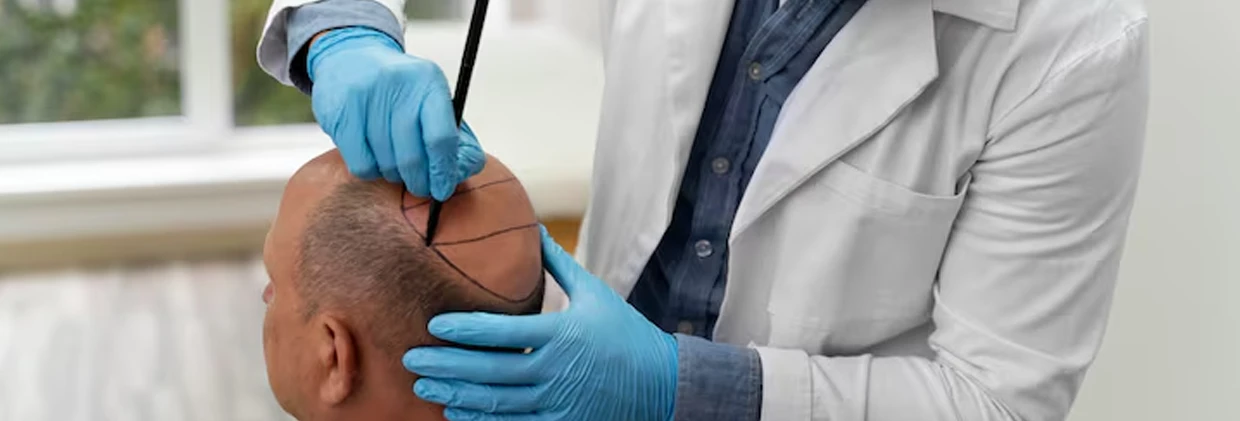
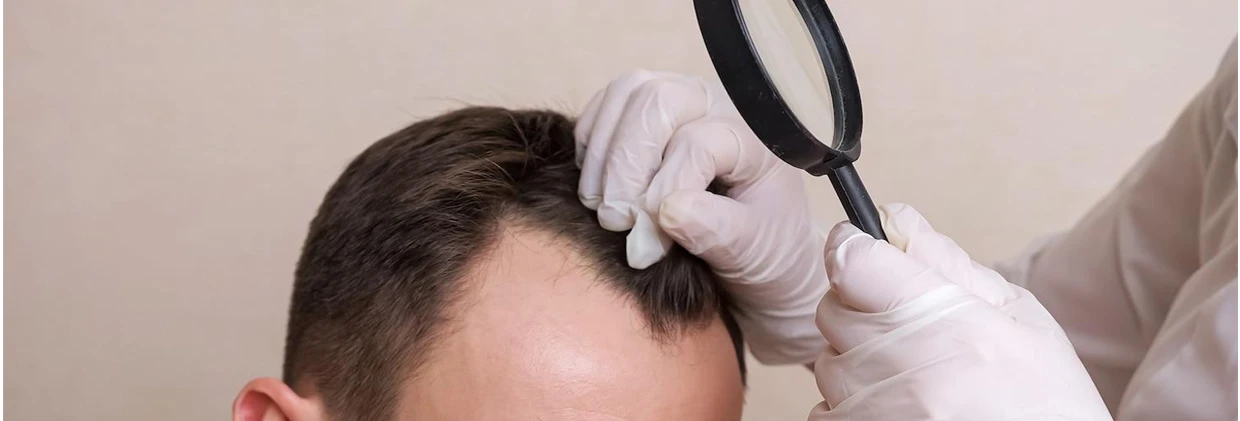
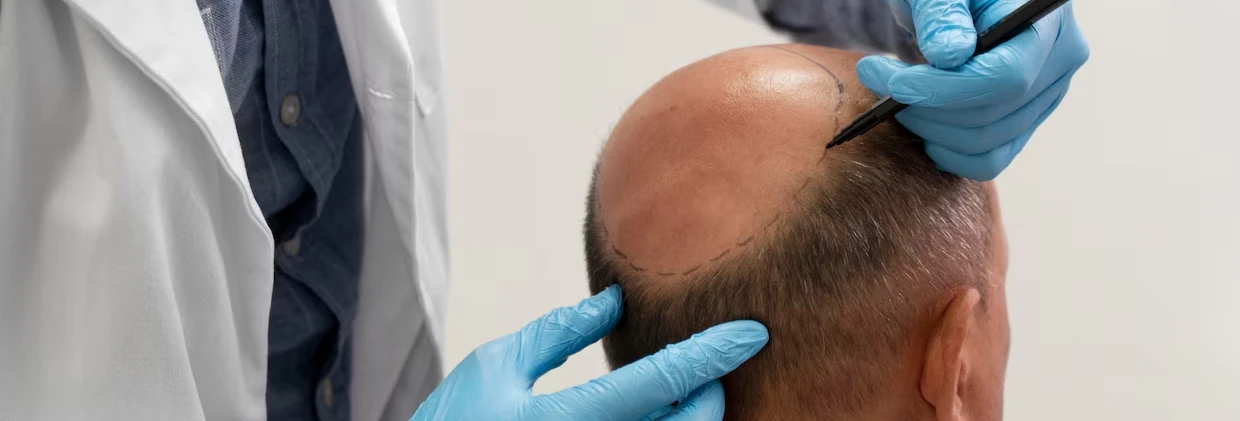
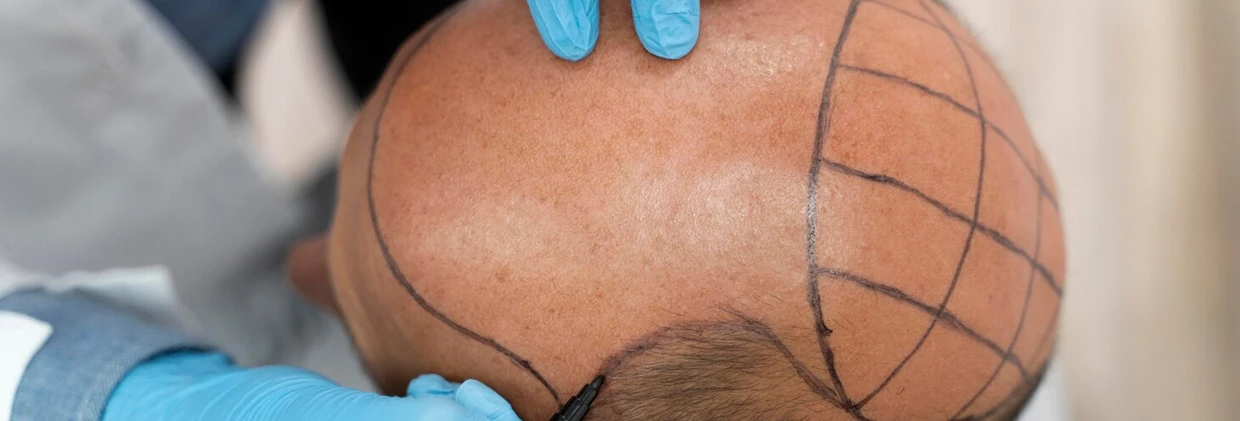
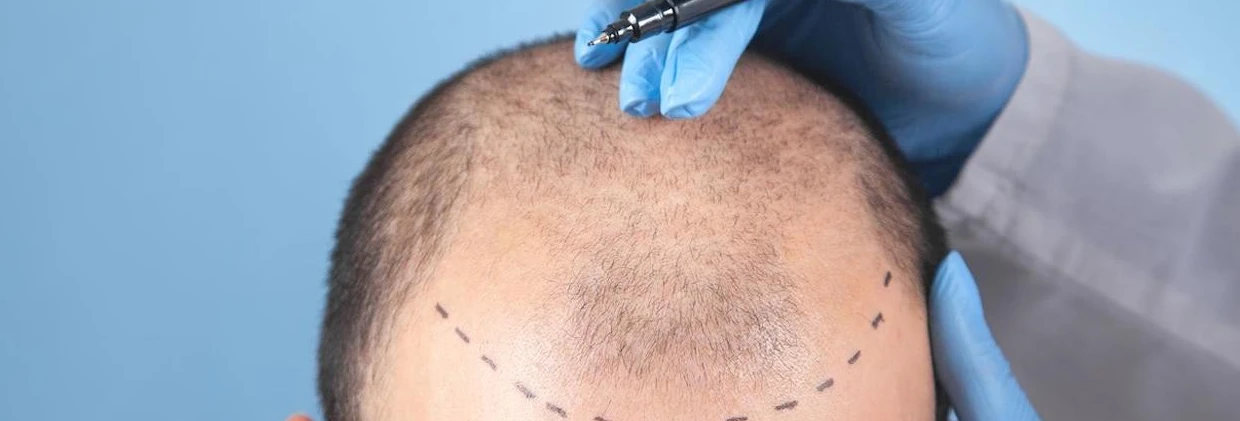
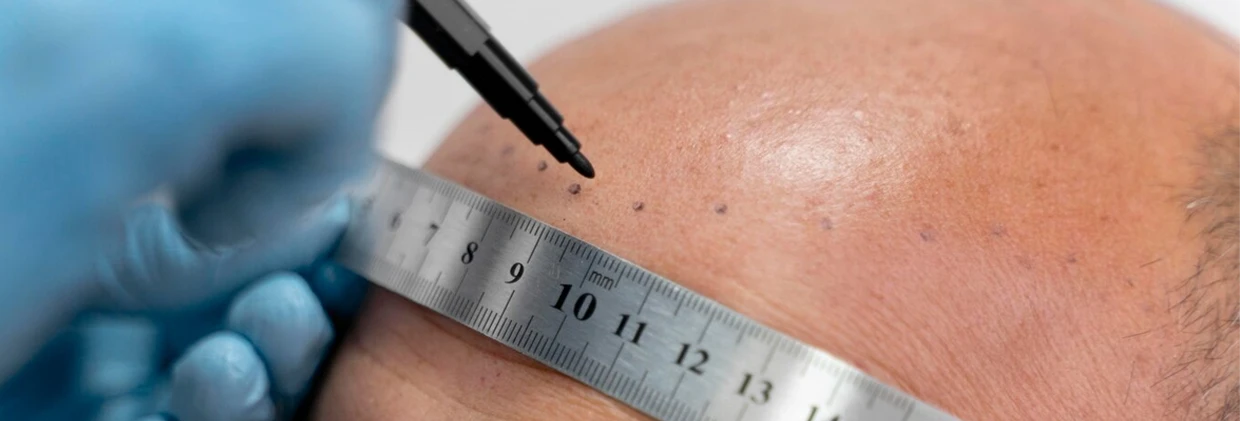
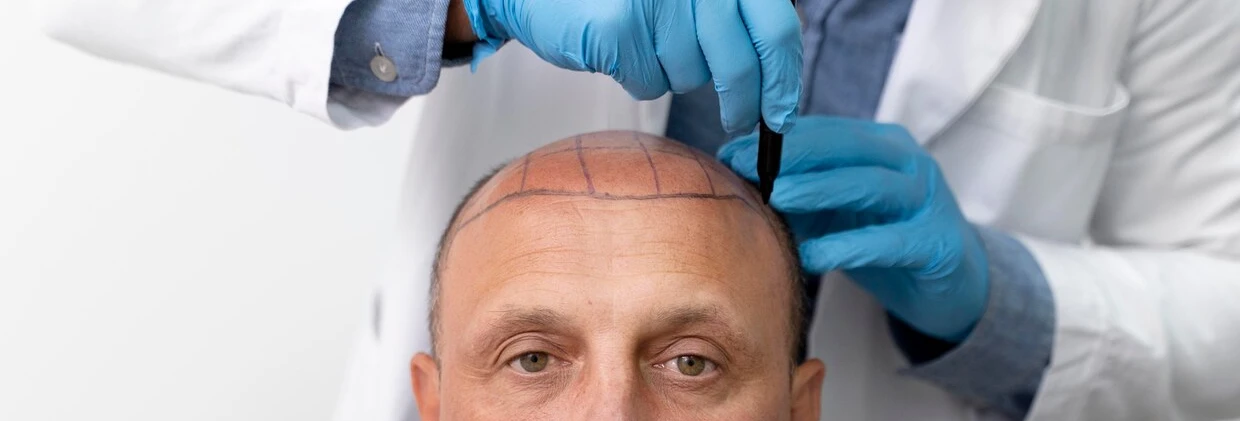
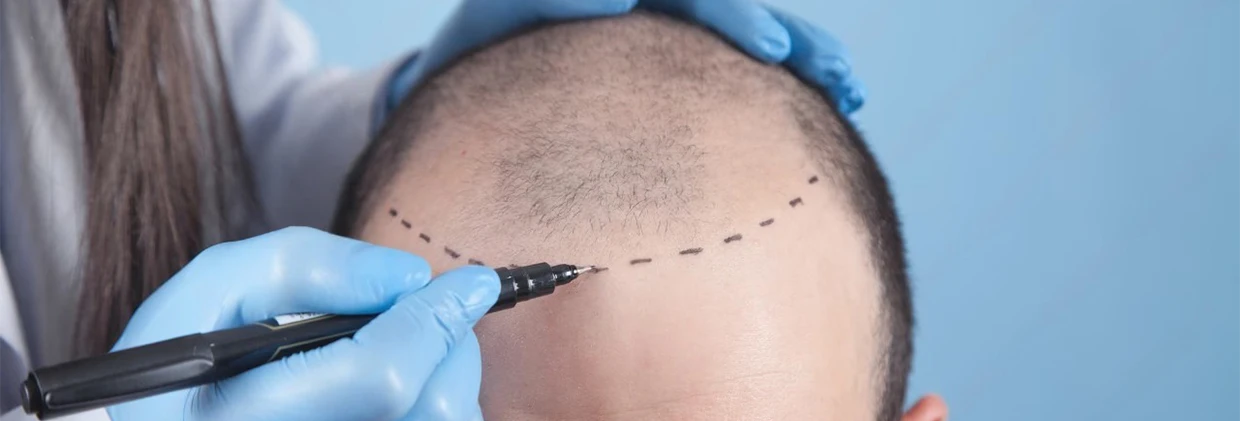
How to Avoid: A comprehensive hair analysis and a projection of future hair loss must be done before the operation. The specialist should design a natural hairline that is appropriate for the patient’s age and facial features, taking future hair loss into account.
Mistake 2: Deciding Based on Price Instead of Expertise
Hair transplantation is a medical aesthetic procedure where the decision should absolutely not be based on price. Operations marketed as “very cheap” typically carry the following risks:
- Inexperienced Team and Poor Technology: Low-priced operations are often performed by inexperienced technicians with minimal doctor supervision. This leads to a high rate of “transection” (graft damage) during harvesting. Damaged follicles fail to survive, resulting in a failed operation.
- Lack of Hygiene: Cheap clinics often compromise on sterilization and hygiene standards. This increases the risk of infection and poses a great danger both to the patient’s health and the quality of the results.
How to Avoid: When planning your budget, prioritize the expertise and references of the surgeon and the team, as well as the clinic’s accreditation. View the cost of a hair transplant as an aesthetic investment that will last a lifetime, rather than a cheap expenditure. Choose clinics that comply with the ethical standards of respectable organizations like the International Society of Hair Restoration Surgery (ISHRS).
Mistake 3: Neglecting Post-Op Care Instructions
The first 15 days following the surgery are as important as the operation itself. The biggest mistakes made by patients often stem from the following post-operative negligences:
- Wrong Sleeping Position: Lying on your side or face down for the first 7 days causes the sensitive transplanted grafts to rub against the pillow and dislodge. This is an irreversible loss of grafts.
- Alcohol and Smoking Consumption: Smoking constricts blood vessels, slowing wound healing and reducing the amount of oxygen and nutrients needed by the hair follicles. Alcohol thins the blood, increasing the risk of bleeding. These habits severely decrease the graft survival rate. Research from the National Library of Medicine (NCBI) supports the negative impact of tobacco and alcohol on recovery.
- Faulty Washing and Scratching: Prematurely picking off scabs or harshly scratching the transplanted area leads to graft loss. Washing instructions must be followed meticulously.
How to Avoid: Adhere to the surgeon’s instructions to the letter. The biggest responsibility for the success of the operation rests with you during the first 15 days. Maintain your sleeping position and strictly avoid smoking and alcohol for the first month.
Mistake 4: Requesting Unnecessarily High Density
It is natural for patients to want denser hair, but requesting a graft count that is too high for the recipient area is a major mistake:
- Blood Circulation Issues (Ischemia): The blood supply capacity of the recipient area is limited. If the surgeon attempts to implant more grafts than this capacity allows, the crowded follicles will impede each other’s blood flow. This is called “ischemia” and can lead to the death of both new and surrounding existing follicles.
- Loss of Naturalness: Excessive crowding can make the hair look artificial, leading to a “pluggy” appearance. Naturalness is achieved not only through density but also by accurately setting the angle and direction.
How to Avoid: Trust your specialist. Density is important in hair transplantation, but natural density is the primary goal. Methods like the DHI technique are ideal for providing high density in smaller areas, but even this has limitations. Your surgeon will determine the optimum density that will not jeopardize the health of the recipient area.
Mistake 5: Neglecting Post-Hair Transplant Support Treatments
Many patients assume the process is complete once the operation is over. This is one of the biggest misconceptions in hair transplantation:
- Failure to Protect Existing Hair: While the transplanted hairs are permanent, existing hairs that are genetically sensitive will continue to shed. If this shedding is not prevented, the area surrounding the transplanted hair will thin, again leading to an unnatural appearance.
- Slowed Healing: Without supportive treatments, the growth and strengthening period of the transplanted follicles are prolonged.
How to Avoid: View your hair transplant as the beginning of a long-term hair health plan. To accelerate the post-operative period and protect your remaining hair, be sure to include treatments like PRP, mesotherapy, or stem cell support treatments in your plan. These supports both shorten the shock loss period and maximize the quality of the final result. At Görkem Kazan Hair Transplant, we recommend these integrated treatment approaches to provide our patients with the most permanent and natural results.
Success in hair transplantation is possible with zero mistakes. Choosing the right clinic and adhering to the instructions with discipline constitute 90% of this process. By avoiding these 5 mistakes, you take the most reliable step toward achieving permanent and flawless hair. For detailed information and expert consultation, please contact us.