

PRP Treatment: Who is a Suitable Candidate?

PRP Treatment: Who is a Suitable Candidate?
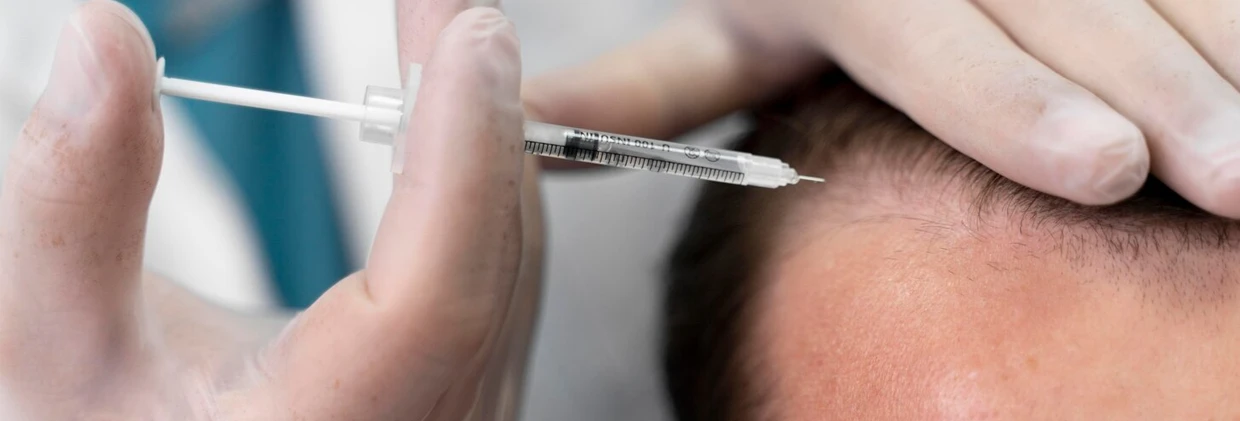
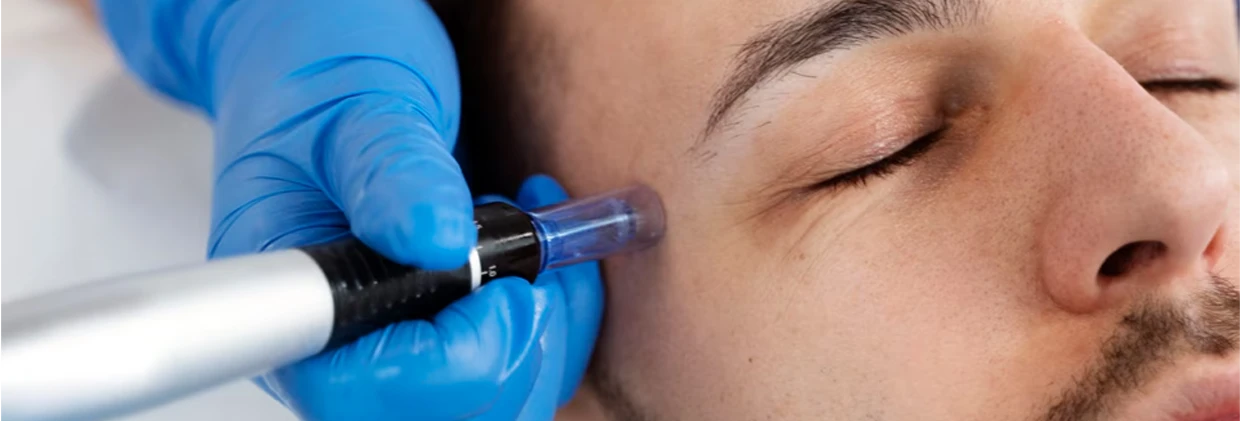
PRP treatment (Platelet-Rich Plasma) is one of the most discussed and promising non-surgical methods for fighting hair loss in recent years. Based on injecting plasma enriched with platelets (growth factors) derived from the patient’s own blood into the scalp, this treatment aims to rejuvenate hair follicles and stimulate new hair growth. However, as with any medical treatment, PRP’s effectiveness depends on identifying the correct candidate. PRP is not a ‘miracle’ but a biological support; therefore, the best results are achieved in patients whose hair follicles are still vital and have a high potential to respond to the treatment. As the Görkem Kazan Hair Transplant clinic, we explain—based on our scientific and clinical experience—who will benefit most from PRP therapy and who should not receive this treatment.
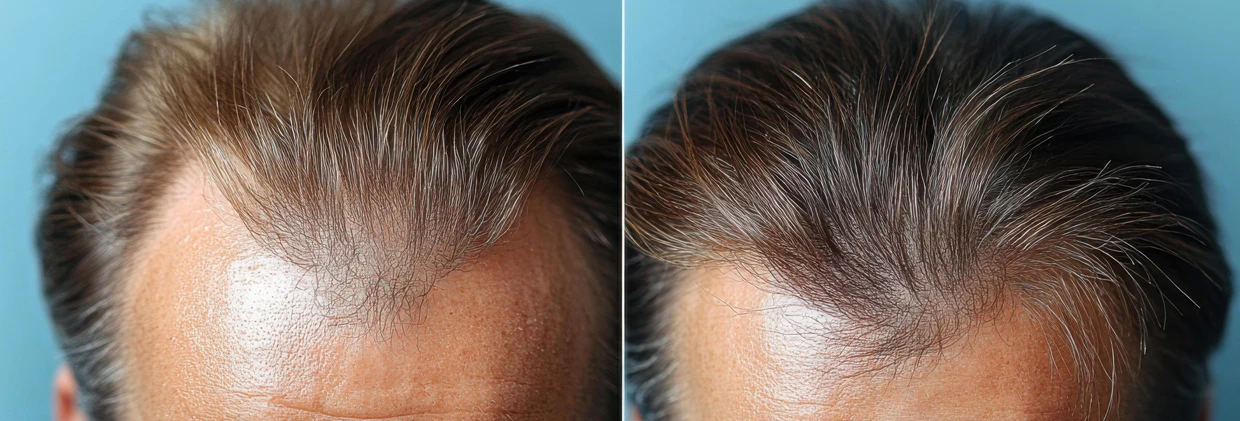
The main goal of PRP therapy is not to revive completely dead follicles but rather to provide an energy boost to hair follicles that are weakened, thinned, and miniaturized. When the right candidate is identified, this biological regeneration process can significantly slow down shedding and improve hair quality. Whether a patient is a suitable candidate for PRP depends not only on the type of hair loss but also on their general health status and the current viability level of their hair follicles.
The Scientific Basis of PRP Treatment and the Ideal Candidate
PRP treatment utilizes the healing power of your own blood. The plasma separated by a centrifuge contains 5–10 times more growth factors than normal blood. When these growth factors are injected into the scalp, they:
- Strengthen the vascular structure that nourishes the hair follicles.
- Lengthen the anagen phase (the hair growth phase).
- Thicken and strengthen hair follicles that have been miniaturized due to hormonal shedding.
This mechanism indicates that the ideal candidate for PRP is someone whose hair follicles are still alive but are in the stage of thinning and weakening. Unfortunately, in areas where complete baldness has developed, the expected results from PRP cannot be achieved.
Who Are the Most Suitable Candidates for PRP?
PRP therapy delivers the most effective results for patients with the following characteristics:
1. Patients with Early Stage Androgenetic Alopecia (Male Pattern Hair Loss)
Genetic hair loss constitutes the most common and successful area for PRP treatment. Young patients in the initial stages of hair loss, experiencing new thinning in the frontal and crown areas, can slow the rate of shedding and thicken thinning hair shafts with PRP. Since the follicles are not yet dead, they respond quickly to growth factors. Scientific sources like the National Library of Medicine (NCBI) confirm PRP’s role in the revitalization of the hair follicle.
2. Individuals Seeking to Improve Hair Quality and Density
Individuals who do not require a surgical procedure but complain that their hair looks lifeless, dull, and weak can give their hair a strong “vitamin boost” with PRP. PRP increases the diameter of the hair strands, giving the hair a fuller and healthier appearance.
3. Patients Experiencing Female Pattern Hair Loss
Hair loss in women often manifests as diffuse thinning, with the hairline generally preserved. Because the hair follicles are still active, PRP can yield excellent results in the treatment of female pattern hair loss, especially when combined with mesotherapy. Women generally respond faster and better to PRP than men.
4. Those Seeking Support Before and After Hair Transplantation
PRP is a powerful support to enhance the success of a hair transplant operation (whether FUE or DHI). PRP applied immediately before or after the operation:
- Ensures faster adaptation of the transplanted grafts to their new location.
- Accelerates the healing process of the donor area.
- Can help shorten the duration of shock loss.
Unsuitable Candidates for PRP Treatment
Being aware of the potential risks and limitations of PRP treatment is vital for patient health and the correct management of treatment expectations. The following conditions are unsuitable for PRP therapy:
- Advanced Baldness (Dead Hair Follicles): In areas of advanced baldness where hair follicles are completely absent and the skin tissue is shiny, PRP cannot create new hair follicles. The only solution in this situation is surgical hair transplantation.
- Active Skin Infections or Cancer: Those with active infections, fungus, or inflammatory skin conditions like psoriasis on the scalp should not receive PRP until healing is complete. It is also contraindicated for patients with a history of or active cancer treatment.
- Blood Clotting Disorders: Patients taking blood thinners (anticoagulants), those with a low platelet count (thrombocytopenia), or those with clotting disorders are not suitable candidates for PRP due to the blood separation and injection process.
- Autoimmune Diseases: In individuals with autoimmune disorders such as Lupus or certain aggressive forms of active Alopecia Areata, PRP may carry the risk of triggering inflammation and should not be administered without specialist approval.
- Heavy Alcohol and Smoking Consumption: Because blood circulation is impaired in heavy smokers and drinkers, the quality of the resulting plasma may decrease, and their response to treatment may be weak. These patients are asked to change their habits before starting treatment.
The Decision Process: Why is Expert Analysis Necessary?
Determining whether PRP therapy is right for you is only possible through a specialist’s detailed analysis. As the Görkem Kazan Hair Transplant clinic, we implement a comprehensive evaluation process for every patient before starting treatment:
- Medical History and Medication Check: The patient’s general health status and medications are reviewed to identify any contraindications.
- Scalp Analysis (Trichoscopy): The viability level and degree of miniaturization of the hair follicles are examined with a special device. This analysis is the most important indicator of how effective PRP will be.
- Blood Tests: Platelet count and other blood values are checked.
If these analyses confirm that your hair follicles will respond well to PRP, a personalized session protocol is determined. Remember, for some patients, more advanced regenerative methods like stem cell and exosome treatments may be recommended instead of or in combination with PRP. These decisions are based entirely on scientific data.
When applied by the right hands to the right candidate, PRP therapy is a powerful and effective tool in the fight against hair loss. If you notice your hair thinning or if you wish to reinforce your hair transplant results, consult a specialist to find out your hair follicles’ potential for PRP. For detailed information and appointments, you can contact us.