

What Problems Does SCAR Hair Transplantation Offer Solutions for Besides Baldness?


What Problems Does SCAR Hair Transplantation Offer Solutions for Besides Baldness?
SCAR Hair Transplantation – While hair transplantation primarily brings to mind the treatment of male pattern baldness, the solutions offered by hair restoration surgery are much broader. The specialized micro-surgical procedure called SCAR Transplantation (Hair Transplantation on Scar Tissue) focuses not only on the problem of baldness but also on the aesthetic camouflage of scars on the skin. This procedure aims to eliminate visible scars that significantly impact a person’s quality of life and self-confidence. As the Görkem Kazan Hair Transplant clinic, we detail the major aesthetic problems, outside of baldness, that this sensitive and advanced expertise-requiring method offers permanent solutions for.
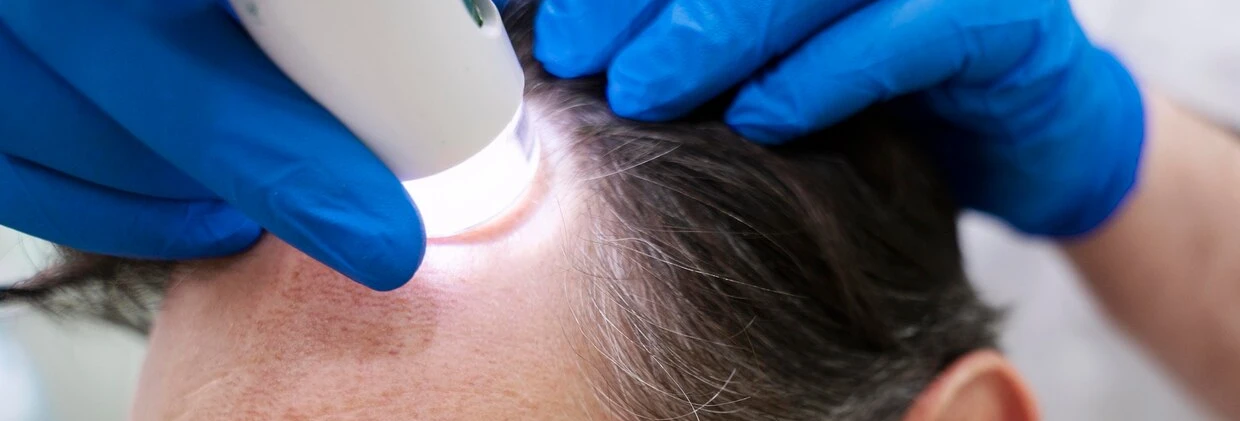
Scar transplantation is more complex than a standard hair transplant operation because scar tissue differs from the biological structure of normal scalp skin. Scar tissue is typically fibrotic, hard, and has a weak vascular network (poorly supplied with blood). This condition requires a high level of experience from the surgeon, a precise choice of technique, and strong supportive therapy for the transplanted hair follicles to adapt and survive in this challenging environment. The success of scar transplantation depends directly on the surgeon’s ability to understand the characteristics of the scar tissue and to perfectly align the implantation angle with the surrounding hair.
SCAR Transplantation: 4 Main Areas of Solution Besides Baldness
SCAR transplantation aims to erase the marks of patients’ past traumas, surgical interventions, or failed procedures. The most common areas where this method is applied outside of baldness treatment are:
1. Aesthetic Camouflage of Previous FUT Operation Scars
The FUT (Follicular Unit Transplantation) method, which was applied in the early years of hair transplantation technology and required the removal of a strip of tissue, left a permanent, noticeable horizontal scar in the donor area (the back of the neck). This scar poses a major aesthetic problem, especially for patients who prefer short hair. SCAR transplantation involves implanting healthy hair follicles one by one, using the FUE or DHI method, directly onto this FUT scar. The transplanted grafts camouflage the scar, allowing the patient to regain the freedom to wear their hair at any desired length. This is one of the most common applications of scar transplantation and requires expertise, as the implantation is performed on an area with poor blood circulation.
2. Covering Scars from Accidents, Burns, and Surgical Interventions
Scars on the forehead, temples, eyebrows, or scalp resulting from accidents, burns, or medical operations (such as neurosurgery or tumor removal) are a primary area of solution for SCAR transplantation. These scars interrupt the natural flow of hair, disturbing the patient’s facial aesthetics. With SCAR transplantation, the transplanted hairs grow across the scar, creating a soft and natural transition between the scar tissue and the surrounding healthy hair. This provides significant psychological and aesthetic relief, especially in camouflaging burn scars. Transplantation onto such irregular scars demands a special artistic vision from the surgeon.
3. Regional Hair Loss and Facial Aesthetic Flaws (Beard/Eyebrow Scars)
SCAR transplantation is not limited to the scalp; it is also successfully applied to cover hair loss scars in the facial area:
- Eyebrow Area: It restores the natural arch and density of the eyebrow by covering scars resulting from accidents, piercings, or failed tattoo applications. This is a critical procedure for facial symmetry.
- Beard Area: It fills in bald patches or scars remaining in the beard area after infections, accidents, or tattoo removal procedures. Thus, the patient achieves a fuller, more uniform beard appearance. These procedures are typically performed under beard and eyebrow transplantation expertise but require SCAR transplantation protocols due to the difficulty of the scar tissue.
4. Covering Scars After Cleft Lip (Cleft Palate) Surgery
Thin scars remaining on the upper lip and mustache area after congenital cleft lip/palate surgeries affect the patient’s facial expression. SCAR transplantation applied as a mustache transplant over these scars both covers the scar and ensures the continuity of the mustache line, offering the patient a more natural and integrated appearance. This is a specialized application that requires a high degree of precision and delicate work.
The Secret to SCAR Transplantation Success: Support and Expertise
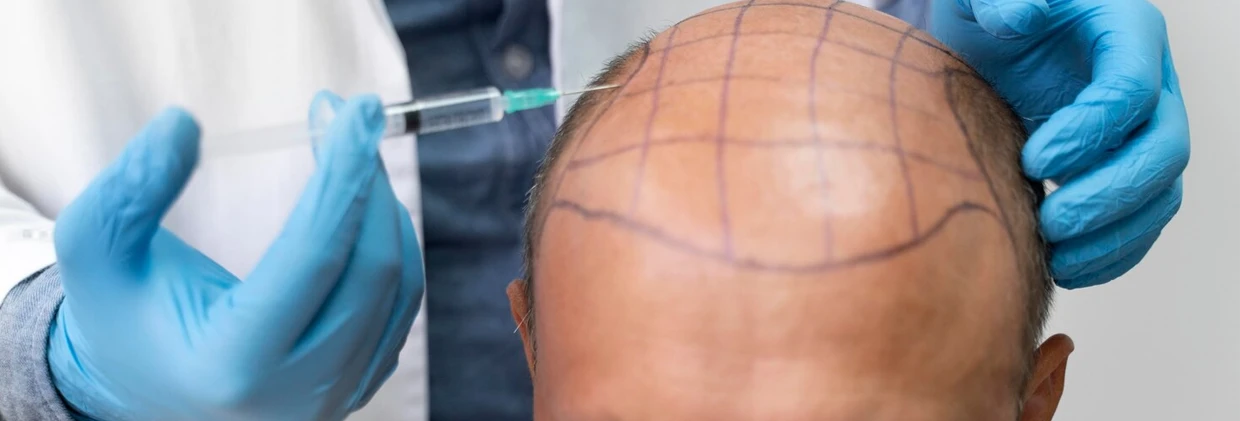
To guarantee permanent success in scar transplantation, merely implanting grafts is insufficient. Supplementary treatments are mandatory to support the survival of the grafts due to the scar tissue’s poor vascular structure:
- Biyolojik Destek Tedavileri: SCAR transplantation applied with PRP (Platelet-Rich Plasma) or stem cell and exosome treatments improve blood circulation and tissue quality in the scar area. This maximizes the nourishment of the transplanted grafts, significantly increasing the survival rate.
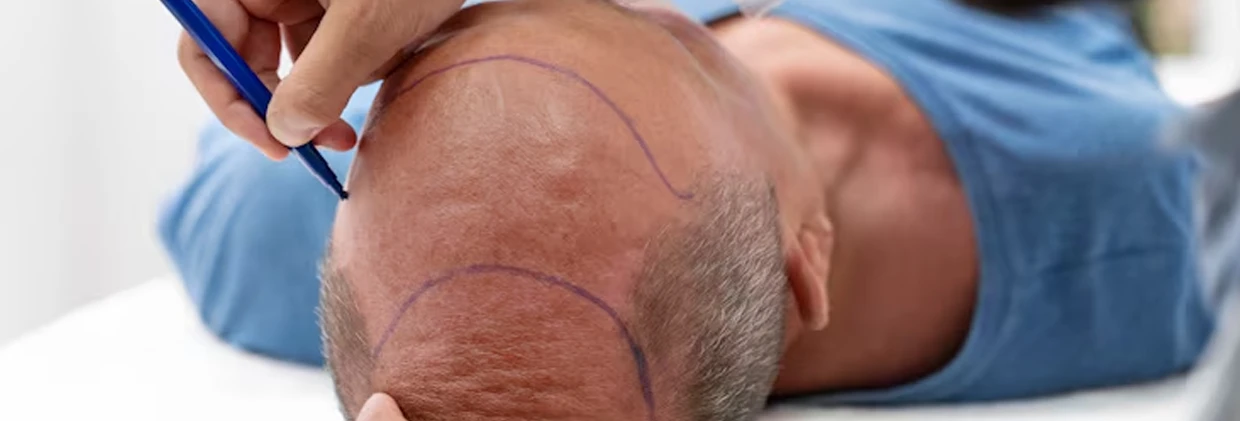
- Doğru Teknik Seçimi: FUE or DHI techniques are ideal for scar camouflage as they allow for single graft extraction and implantation. The surgeon must choose the most suitable technique based on the hardness and width of the scar tissue.
- Realistic Expectation Management: Due to the nature of scar tissue, the 100% density achieved on normal scalp skin may not always be possible. An expert surgeon should transparently explain the achievable results and the possibility of a second session to the patient from the beginning. Organizations like the International Society of Hair Restoration Surgery (ISHRS) recommend integrated treatment approaches to achieve the highest success in scar transplantation.
SCAR transplantation offers a permanent and effective solution for a wide range of aesthetic defects beyond baldness. In this specialized field, with the correct diagnosis and a personalized treatment plan, scars can remain merely as a memory. If a scar resulting from an accident, burn, or failed operation is bothering you, you can contact the Görkem Kazan Hair Transplant clinic for a detailed analysis and solution proposals.