

The DHI Pen Technique: A “Handicraft” Revolution in Hair Transplantation

The DHI Pen Technique: A “Handicraft” Revolution in Hair Transplantation
The DHI Pen Technique – After hair transplantation technology underwent a major transformation with Follicular Unit Extraction (FUE), it reached its peak with the Direct Hair Implantation (DHI) technique and its signature tool, the Choi Implanter Pen. DHI has evolved beyond being a surgical procedure into a true form of “Handicraft,” combining micro-surgical precision with artistic finesse. This article from Görkem Kazan Hair Transplant clinic explains in detail why the DHI pen technique is considered a revolution, the critical stages that separate it from FUE, and why surgical expertise is an absolute necessity for achieving the most natural, dense results.
At the heart of the DHI method is the Choi Implanter Pen, an ergonomic, pen-like instrument that loads each hair follicle just before implantation. This technology optimizes both timing and placement, significantly increasing the hair follicles’ survival rate. While channel opening and graft placement are separate steps in FUE, these two vital steps occur simultaneously in DHI. This integrated approach minimizes the time grafts spend outside the body and maximizes the follicles’ viability.
The Anatomy of DHI: The Secret to Three-Dimensional Precision
The DHI pen technique challenges the technical limits of the traditional FUE method and ensures flawless control in three dimensions (angle, direction, and depth). This control is the fundamental factor that transforms DHI into an art form in hair transplantation:
1. Angle Control and Naturalness (Millimetric Precision)
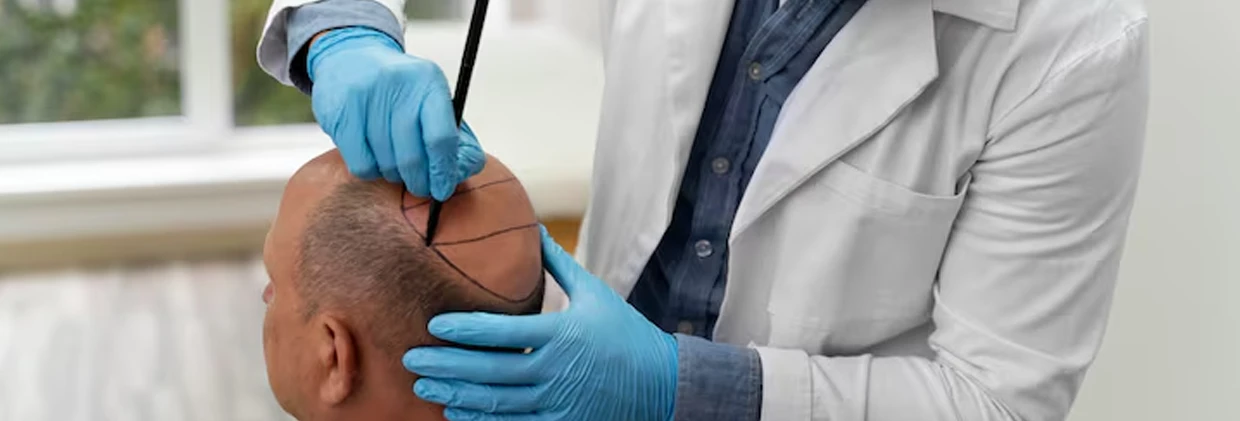
The natural appearance of hair depends on the exit angle of the hairs in the hairline and crown area. The DHI pen allows the surgeon to adjust the implantation angle of each follicle with millimetric precision. Incorrect adjustment of this angle, which typically ranges between 35 and 45 degrees on the scalp, causes the hairs to look unnaturally upright. DHI is the unique technique that allows the surgeon to flawlessly mimic the natural flow of existing hair.
2. Direction Control and Hairline Aesthetics
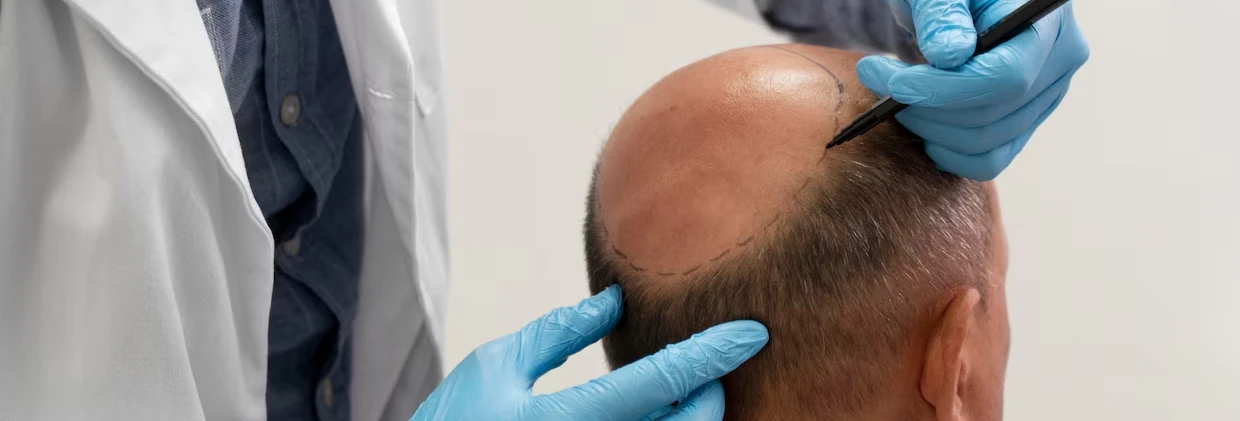
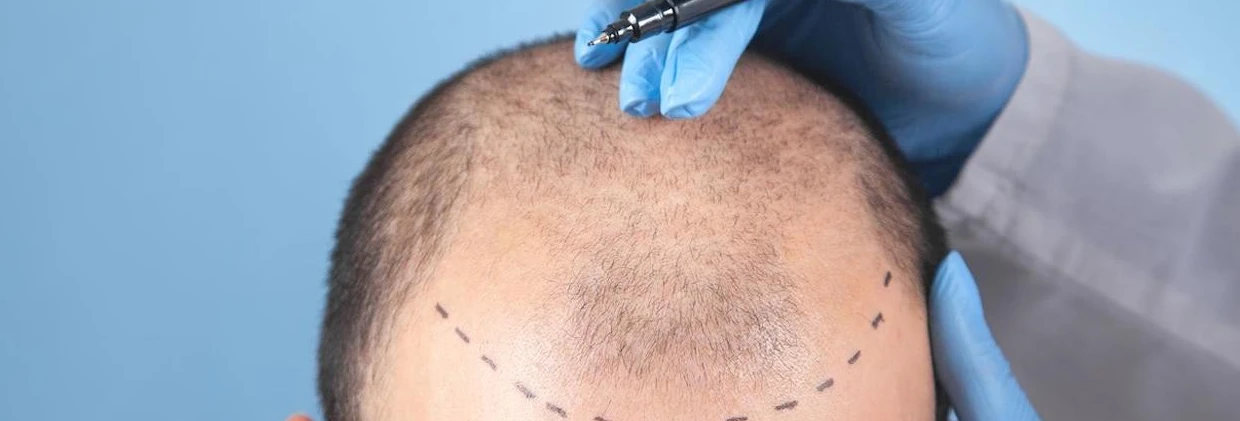
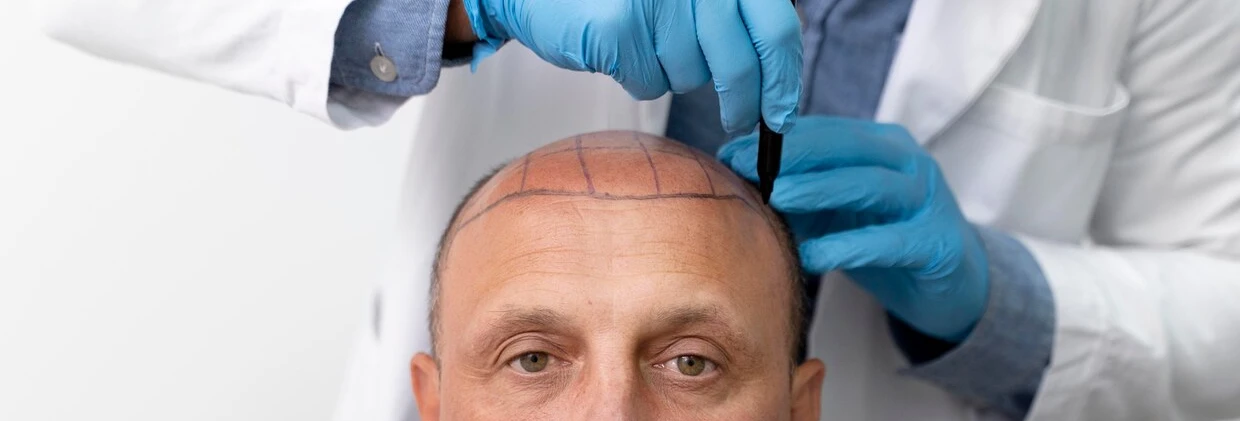
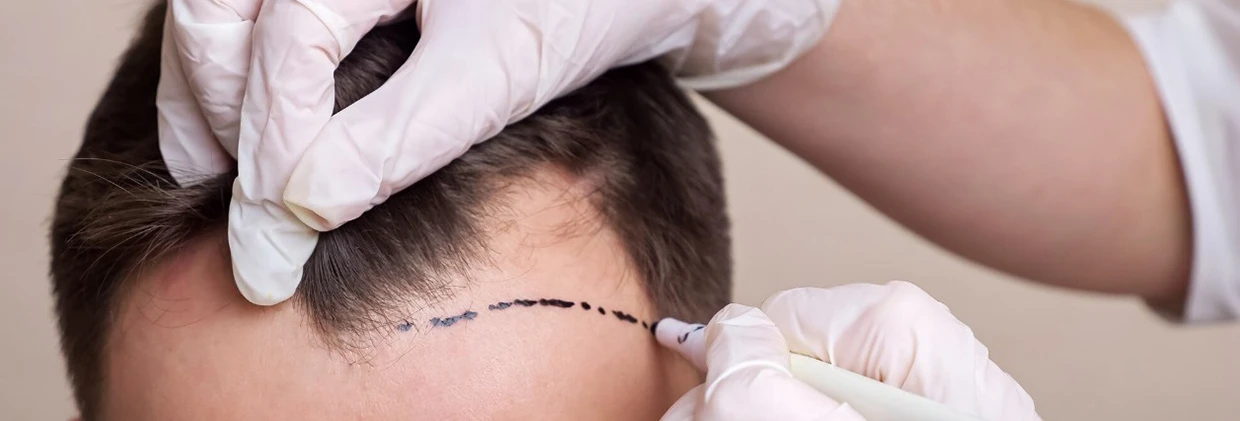
The frontal hairline defines the identity of the hair transplant. The DHI pen accurately replicates the natural growth direction of the transplanted grafts. The pen’s maneuverability is vital when creating the natural, slightly zigzagged front line and the curving hair directions from the temporal regions towards the center. This high level of direction control turns the result into a “handicraft” product.
3. Depth Control and Tissue Preservation
Placing the hair follicle at the correct depth of the scalp (usually 2–4 mm) is critical both for the graft’s nourishment by the blood flow and for avoiding damage to the surrounding tissue. The DHI pen standardizes this depth, preventing the follicle from being placed too deep (risk of pimple/cyst formation) or too shallow (risk of survival failure). This minimizes tissue damage and ensures faster healing.
DHI as “Handicraft”: Why is Expertise Vital?
The technological superiority of the DHI pen alone does not guarantee success; the artistic skill and experience of the surgeon using the pen determine the quality of the outcome. DHI can require a longer and more strenuous operation process compared to FUE, as the surgeon manually loads and places each graft one by one into the pen. This demands a high level of focus and continuity.
- Training and Certification: The DHI pen requires specialized training. The surgeon’s ability to use the instrument at the correct angle and speed, and the team’s ability to load the grafts into the pen without damage, increases the overall precision of the operation.
- High-Density Solution: One of DHI’s major advantages is that it allows for the implantation of more grafts per square centimeter. This high density is ideal for patients who have not experienced complete baldness but wish to preserve their existing hair. A successful high-density operation depends on the surgeon correctly managing the blood flow in the recipient area.
- Potential for Non-Shaven Application: Because the DHI technique allows for implantation between existing hairs, patients can return to their social lives faster. This makes DHI a preferred choice for patients working in public-facing roles or those wishing to avoid a shaved appearance.
Supportive Factors That Increase Permanence and Quality
To convert DHI’s inherent advantages into a permanent result, biological support therapies are essential. Even with a short time outside the body, grafts need additional energy to establish themselves in their new sites:
- Graft Viability Preservation: Hair follicles are often stored in special solutions enriched with Exosomes or other growth factors. This replenishes the grafts’ energy reserves and increases their resilience to trauma.
- Biological Acceleration: PRP or SVF/Stem Cell Treatments applied after the operation accelerate healing in the recipient area, shorten the shock loss period, and strengthen the existing hair around the transplanted grafts. This holistic approach maximizes the outcome of DHI’s technical precision.
The DHI pen technique is not just a technological advance in hair transplantation; it is the point where the surgeon’s skill merges with the mastery of an artist. DHI is one of the best options available today for patients seeking naturalness, precision, and high density. Organizations like the International Society of Hair Restoration Surgery (ISHRS) continually emphasize the importance of highly trained specialists in applying such advanced techniques.
As the Görkem Kazan Hair Transplant clinic, we offer a personalized hair analysis and treatment plan so you can experience the “handicraft” precision of DHI at the highest level. If you are looking for both technical excellence and an artistic touch on your hair restoration journey, you can contact us.