

FUE Hair Transplant Success Rate: Why Are Some Operations More Successful?

FUE Hair Transplant Success Rate: Why Are Some Operations More Successful?
FUE hair transplantation (Follicular Unit Extraction) is the most widely applied and reliable hair restoration method globally. The graft survival rate in a successful FUE operation is typically above 90%. However, this high success rate does not occur at the same level in every clinic or for every patient. Some operations yield perfect, natural results, while others may fall short of expectations. The reason for this variation is the complex nature of the FUE technique and the necessity of meticulously managing multiple variables that influence success. As the Görkem Kazan Hair Transplant clinic, we detail the three fundamental pillars that determine FUE hair transplant success, ranging from surgical excellence to patient biology.
The success of a hair transplant operation is measured not only by the number of grafts transplanted but by the percentage of those grafts that continue to grow healthily. Achieving this ultimate success requires a holistic approach that includes the surgeon’s artistic skill, technological infrastructure, and the patient’s disciplined care throughout the process. High success is not due to chance but to the control of every detail.
The 3 Pillars of Success: Expertise, Biology, and Discipline
The results of an FUE hair transplant operation depend on the quality in three main areas:
- Surgical Expertise and Technical Precision: The variables managed by the surgeon during the operation.
- Biological Factors and Graft Quality: The patient’s genetic makeup and the capacity of the donor area.
- Post-Operative Discipline and Support: The patient’s responsibilities and supplementary treatments during the recovery period.
Each of these three pillars represents a critical link in the chain that affects the final graft survival rate and aesthetic appearance. The weakest link in the chain can jeopardize the success of the entire operation.
Pillar 1: The Role of Surgical Excellence and Donor Management
The most important determinant of a successful FUE operation is the surgeon’s technical skill and artistic vision. The stages where failure most commonly originates are:
Maximizing Graft Viability
The time hair follicles spend outside the body directly affects their risk of losing viability. Successful clinics minimize the time from graft harvesting to implantation and store the follicles in specialized, cooled (hypothermic) and enriched solutions during this period. Poor storage conditions or long waiting times can cause grafts to suffer trauma and lead to a decreased survival rate.
Channel Opening Angle and Direction Control
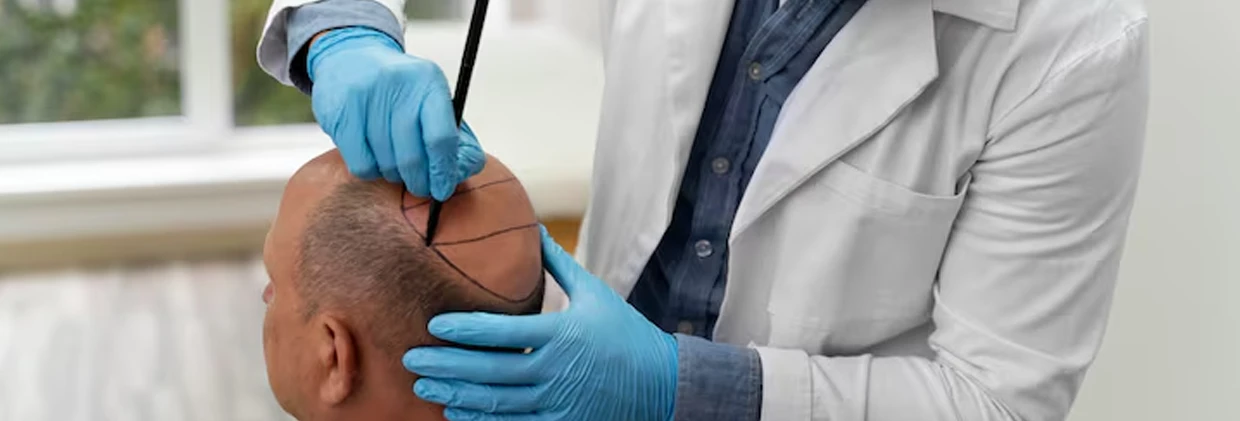
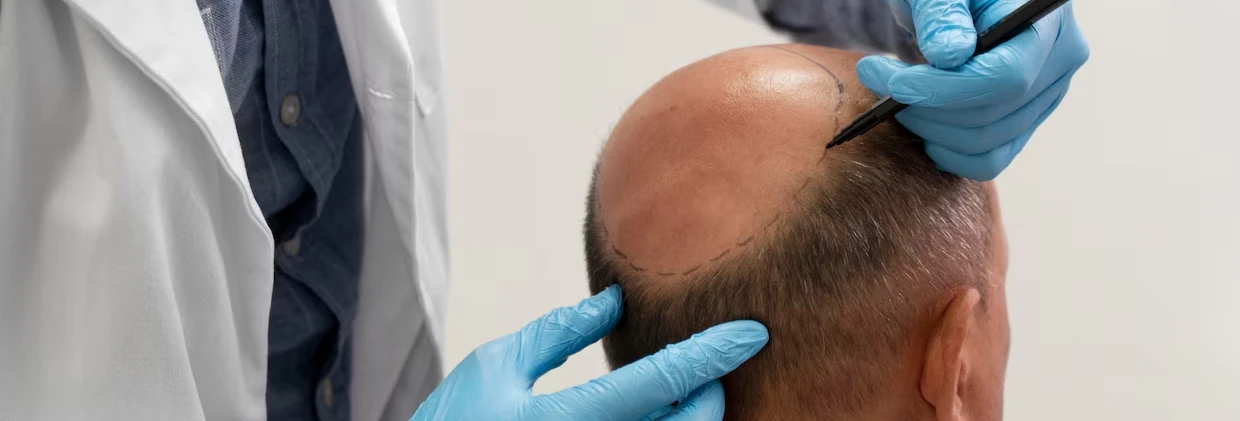
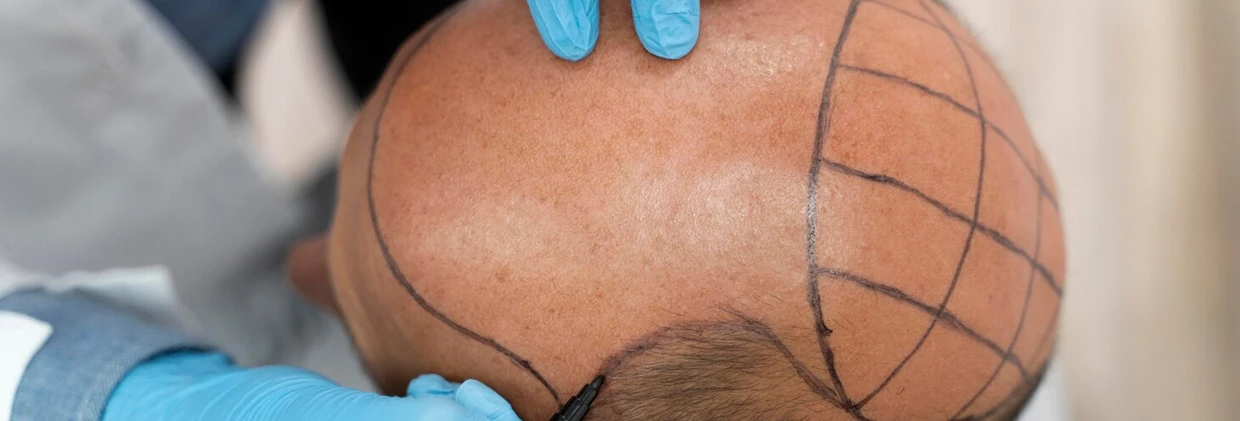
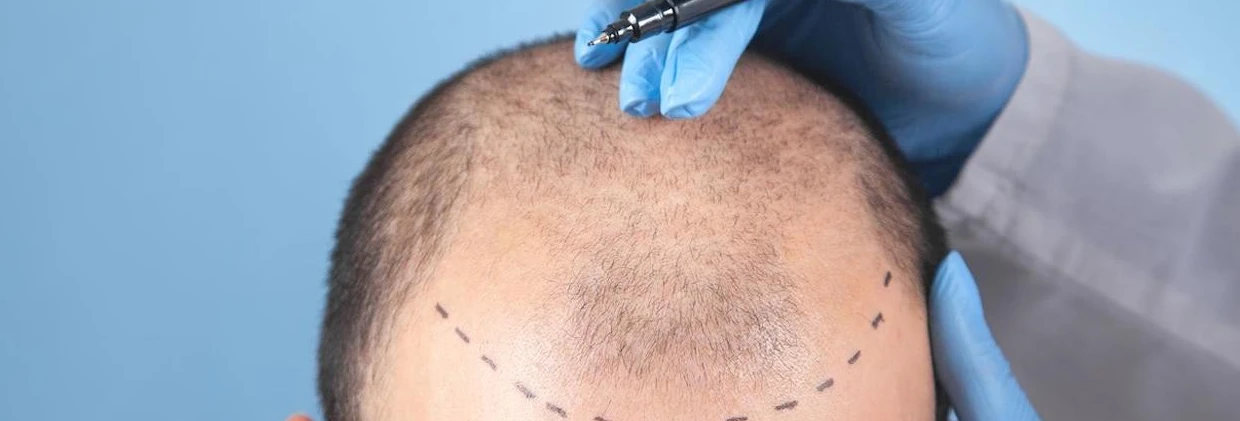
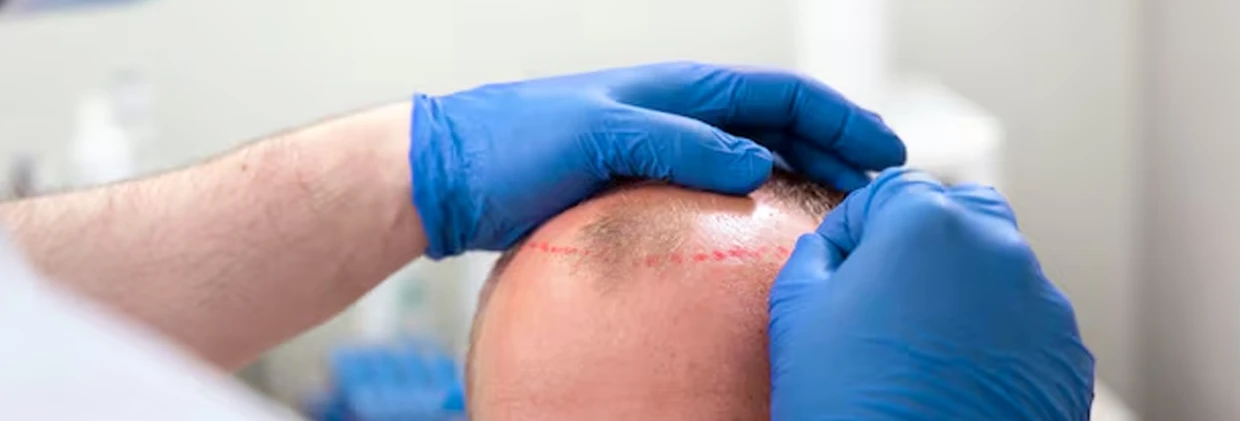
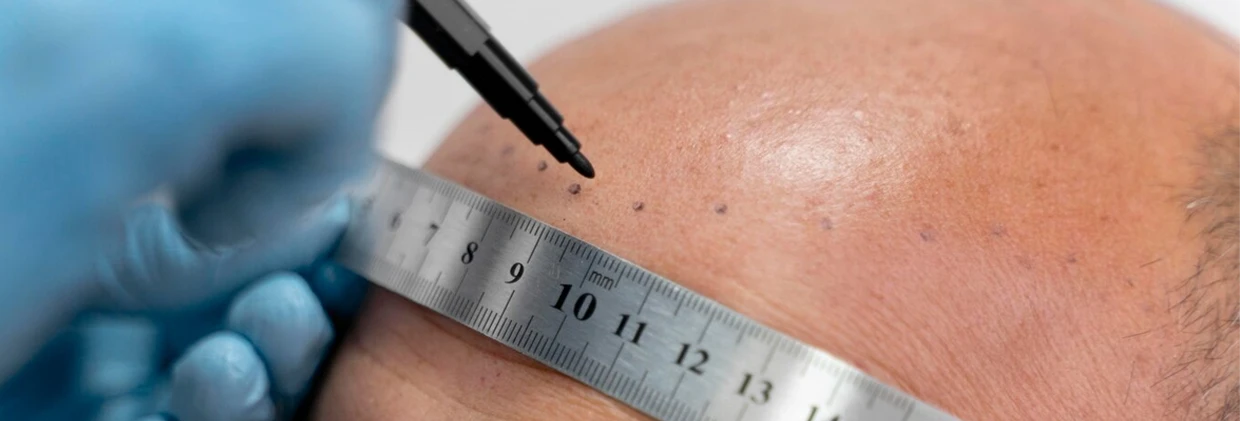
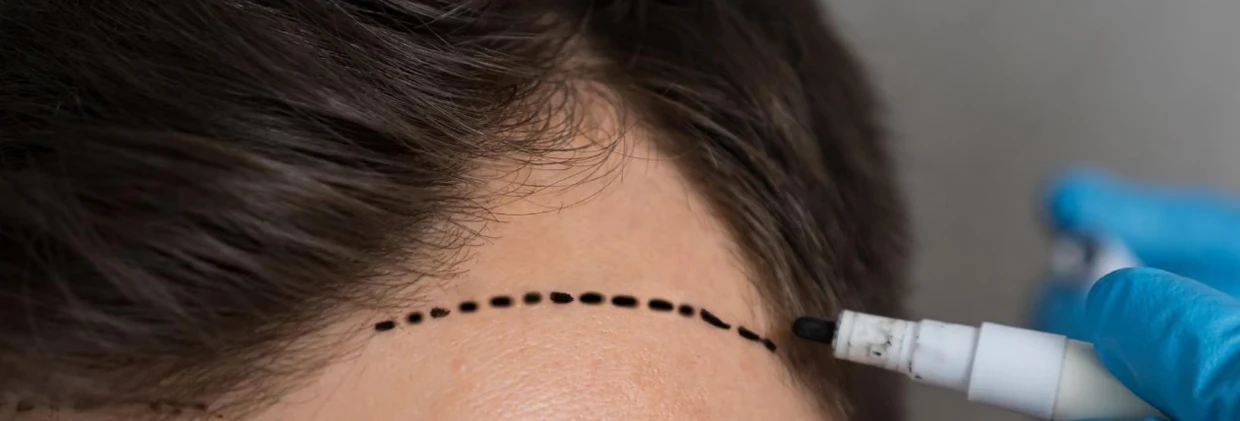
The opening of channels in the FUE technique is the artistic stage that determines the natural look of the result. Channels opened at the wrong angle (e.g., a 90-degree angle instead of the natural 45 degrees) cause the transplanted hairs to look artificial and “pluggy.” An experienced surgeon must flawlessly mimic the natural angle and direction of the hair (especially in the crown and temporal areas). This artistic vision is the foundation of the operation’s aesthetic success.
Donor Area Management
The sustainability of the donor area (the back of the head) determines the long-term success of FUE. In a failed operation, the surgeon might cause permanent thinning in the donor area by randomly and densely harvesting grafts. Experts ensure both a sufficient supply of grafts for transplantation and the preservation of the area’s aesthetic integrity by harvesting follicles evenly and conserving the overall density.
A clinic with a high success rate works with a highly trained team proficient in the nuances of techniques like both FUE and DHI, adhering to high standards.
Pillar 2: The Importance of Biological Capacity and Patient Selection
The success of a hair transplant is entirely dependent on the patient’s own biological resources. These factors cannot be altered by the surgeon but play a vital role in surgical planning:
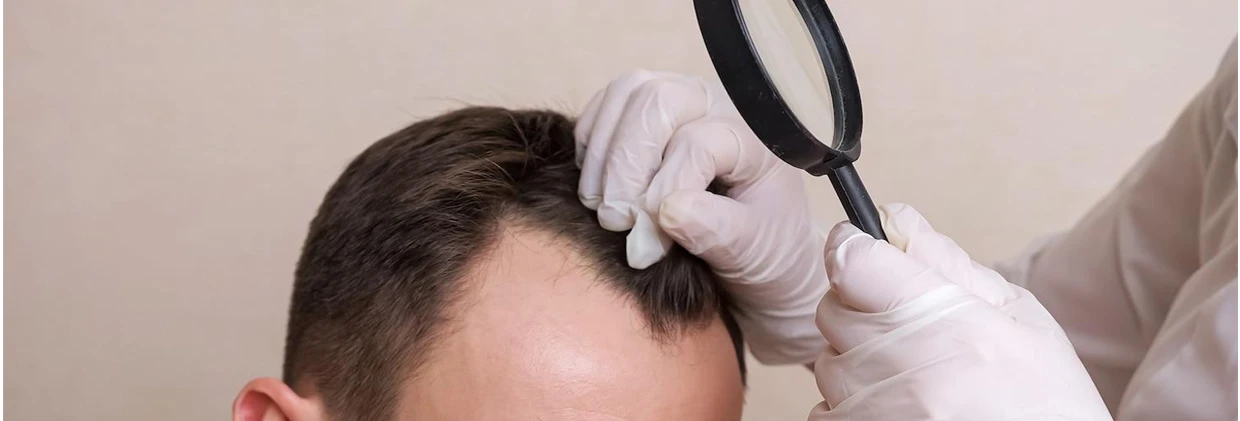
- Donor Density and Quality: The number and quality of follicles in the patient’s donor area determine the potential of the FUE operation. Patients with a dense donor area naturally have the potential for denser results. An expert surgeon must measure this potential with a proper hair analysis.
- Hair Type and Thickness: Patients with thick and curly hair shafts achieve a fuller and denser appearance than those with finer hair (better camouflage), even with the same number of grafts transplanted.
- Recipient Area Blood Supply Level: Healthy blood flow in the recipient area is the fundamental condition for the nourishment of the transplanted grafts. Systemic health issues like diabetes, uncontrolled hypertension, or poor blood flow in scarred areas can decrease the survival rate. Therefore, a general health check before surgery is mandatory.
Pillar 3: The Effect of the Recovery Period and Supportive Treatments
A successful FUE operation does not end when the patient is discharged. On the contrary, the discipline shown by the patient during the first 15 days influences the final success by up to 30%:
Managing Risks to the Grafts
The most common mistakes made during the first 10 days of the healing period (incorrect sleeping position, bumping/rubbing the transplanted area) cause the sensitive grafts to shift or be lost. Such negligence can render even a successful surgical intervention a failure.
Lifestyle Factors and Blood Flow
Smoking and excessive alcohol consumption constrict blood vessels, slowing wound healing and preventing the necessary nourishment from reaching the transplanted grafts. This reduces the graft survival rate significantly. International sources like the National Library of Medicine (NCBI) have scientifically proven the negative effects of smoking and alcohol on recovery.
Increasing Success with Biological Support Therapies
Clinics with high success rates combine the FUE operation with supportive treatments. PRP or stem cell support treatments both increase the viability of the transplanted grafts and strengthen the existing hair. These supports help shorten the shock loss period, making the hair transplant result quicker and denser.
Summary and Conclusion: The Shared Investment in Quality
Achieving the highest success rate in FUE hair transplantation is possible through the combination of surgical excellence, biological suitability, and patient discipline. As the Görkem Kazan Hair Transplant clinic, we commit to upholding the pillar of operative success with our surgical expertise based on the latest technology and ethical principles. When our patients meticulously follow post-operative instructions, the result of this shared investment is a permanent and natural look that lasts a lifetime. To discover your FUE hair transplant potential and receive personalized planning, you can contact our specialists.