

Scars from Accidents, Burns, or Previous Hair Transplants: Can SCAR Transplantation Be a Solution?

Scars from Accidents, Burns, or Previous Hair Transplants: Can SCAR Transplantation Be a Solution?
Can SCAR Transplantation Be a Solution? – Scars on the skin are not merely physical marks; they can be constant reminders of past trauma or a faulty surgical procedure. Hairless scars on the scalp, beard, or eyebrow area severely damage a person’s aesthetic integrity and self-confidence. SCAR Transplantation (Hair Transplantation on Scar Tissue), a specialized micro-surgical procedure that goes beyond traditional hair transplant methods, focuses on the permanent and natural camouflage of such scars. As the Görkem Kazan Hair Transplant clinic, we detail how SCAR transplantation can solve aesthetic problems caused by various factors like accidents, burns, or previous FUT operations, and we examine the success factors in this challenging process.
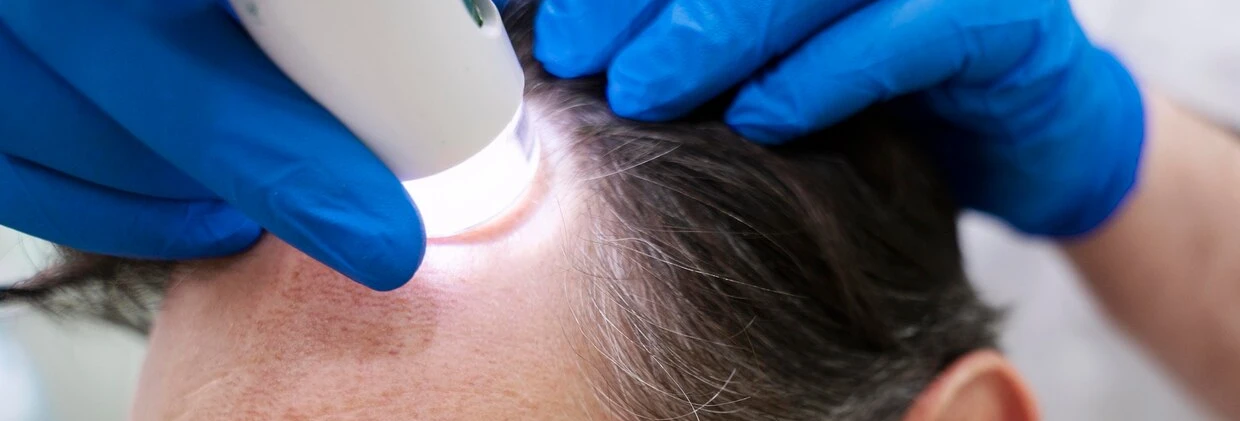
SCAR transplantation aims to make the patient’s scar invisible, but the biggest challenge encountered in this process is the biological structure of the scar tissue. Unlike normal scalp skin, scar tissue is typically fibrotic, less flexible, and most importantly, has a weak capillary network (poorly vascularized) structure. This reduces the transplanted hair follicles’ chance of survival in their new, challenging environment. Therefore, SCAR transplantation is not just a technical transfer process but a comprehensive treatment approach that requires correctly analyzing the scar’s characteristics and strengthening the grafts with biological support.
3 Main Scar Types Solved by SCAR Transplantation
Beyond treating baldness, SCAR transplantation offers permanent solutions for aesthetic defects in three primary areas:
1. Previous Hair Transplant Scars: FUT and Incorrect FUE Scars
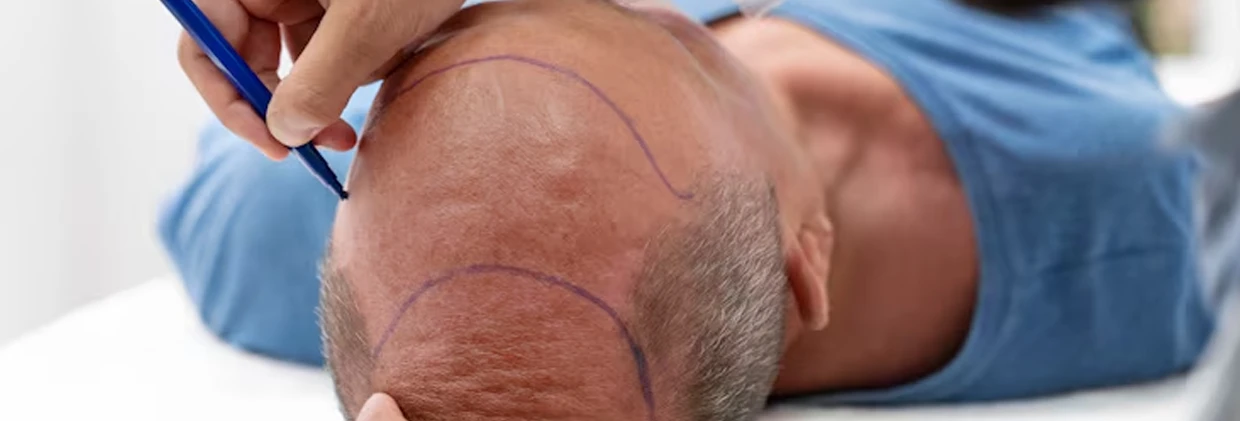
The most common application of SCAR transplantation is for the prominent horizontal linear scars in the back of the neck resulting from the older FUT (Follicular Unit Transplantation) method. These scars prevent patients from wearing their hair short. SCAR transplantation involves implanting hair follicles one by one, using FUE or DHI techniques, directly onto this FUT scar. The goal is to interrupt the scar tissue with transplanted hair and reduce the scar’s visibility to zero. Additionally, scattered white dot scars caused by excessive FUE harvesting or poor-quality surgery can also be camouflaged with this method.
2. Scars from Trauma, Burns, and Surgical Interventions
Hairless areas on the scalp resulting from accidents, chemical burns, electrical burns, or major surgical operations like craniotomy can be treated with SCAR transplantation. Since burn scars can have tough and thick scar tissue, implanting grafts into these areas requires high surgical expertise. The surgeon not only performs the implantation but also ensures aesthetic camouflage by adjusting the implantation angle to flawlessly mimic the natural flow of the surrounding healthy hair. Transplanting into such irregular scars demands the surgeon utilize their artistic precision to the fullest.
3. Regional Aesthetic Scars: Eyebrow and Beard Scars
SCAR transplantation is also vitally important for hair-bearing areas of the face:
- Eyebrow Scars: It restores the natural arch and density of the eyebrow by filling in gaps left by falls, injuries, or failed piercing procedures.
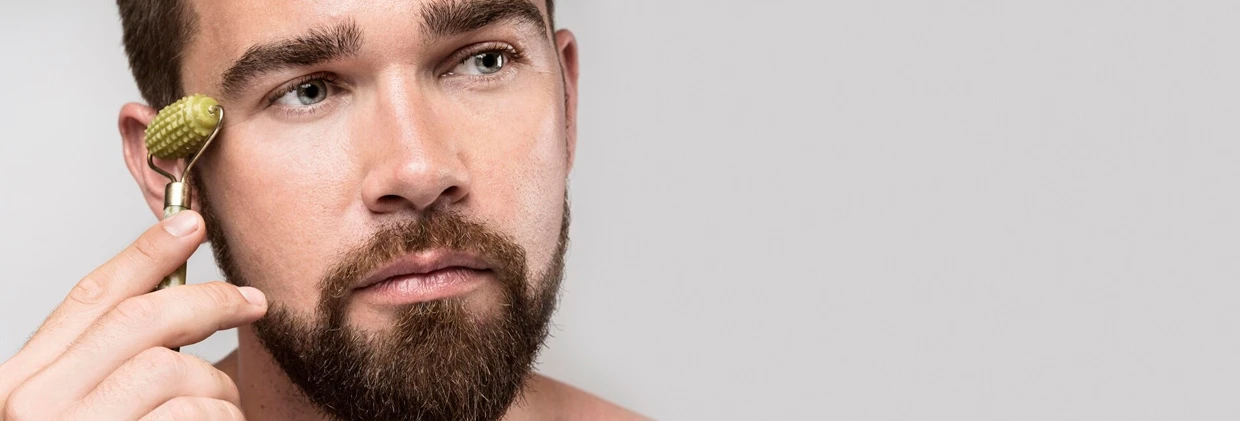
- Beard/Mustache Scars: It fills in gaps in the mustache or beard line caused by scars from cleft lip repair, burns, or deep cuts. These types of applications are a special sub-branch of beard and eyebrow transplantation and complete facial aesthetics.
Biological and Technical Necessities That Increase Success
Increasing the survival rate in SCAR transplantation is more difficult than in normal hair transplantation. The following two essential elements are required for high success:
1. Biological Support (Angiogenesis)
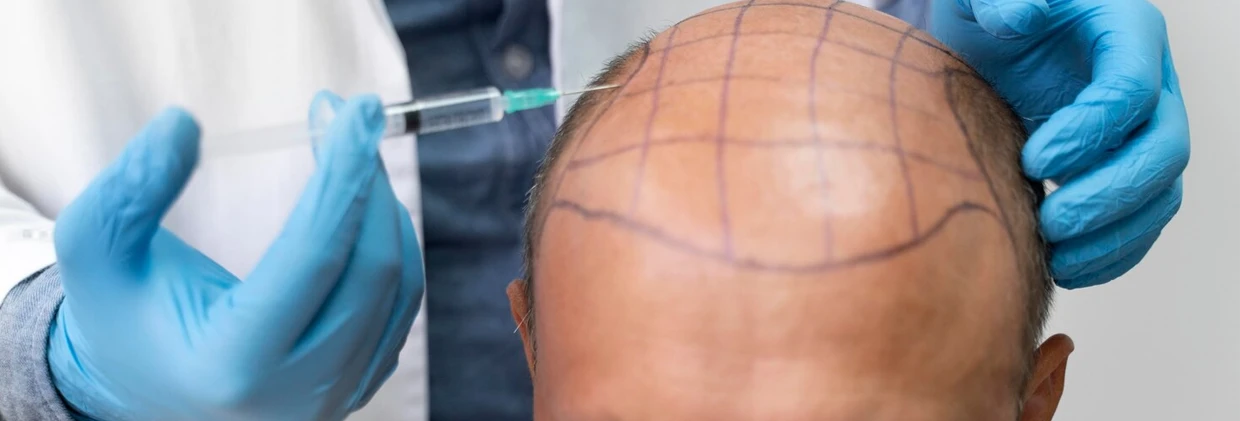
Since the scar tissue has poor blood flow, strong external biological support must be provided for the transplanted grafts to survive. Applying PRP or stem cell and exosome treatments in conjunction with SCAR transplantation accelerates the formation of new capillaries (angiogenesis) in the scar area. This enhances the nourishment of the grafts, significantly increasing the survival rate and final hair quality.
2. Micro-Surgical Precision
Graft placement is more challenging because the scar tissue is hard. Therefore, DHI or specialized FUE techniques are usually preferred. The surgeon must implant the grafts into the scar tissue at the correct angle without damaging the surrounding hair follicles. Minimizing the time grafts spend outside the body to preserve their viability is more critical than ever.
Realistic Expectation Management
Patients must understand that due to the biological limitations of scar tissue, achieving 100% density in a single session, as is possible on normal scalp skin, may be difficult. A second camouflage session may often be necessary after 6–12 months. This transparency is vital for patient satisfaction. Organizations like the International Society of Hair Restoration Surgery (ISHRS) always recommend this realistic expectation management in SCAR transplantation.
SCAR transplantation offers a permanent and effective solution for a wide range of aesthetic defects beyond baldness. In this specialized field, with the correct diagnosis and a personalized treatment plan, scars remain merely as a memory. If you are bothered by scars resulting from trauma, burns, or past operation errors, you can contact the specialists at Görkem Kazan Hair Transplant for a detailed hair and scar analysis. Remember, with the right expertise and biological support, scars become just a memory.