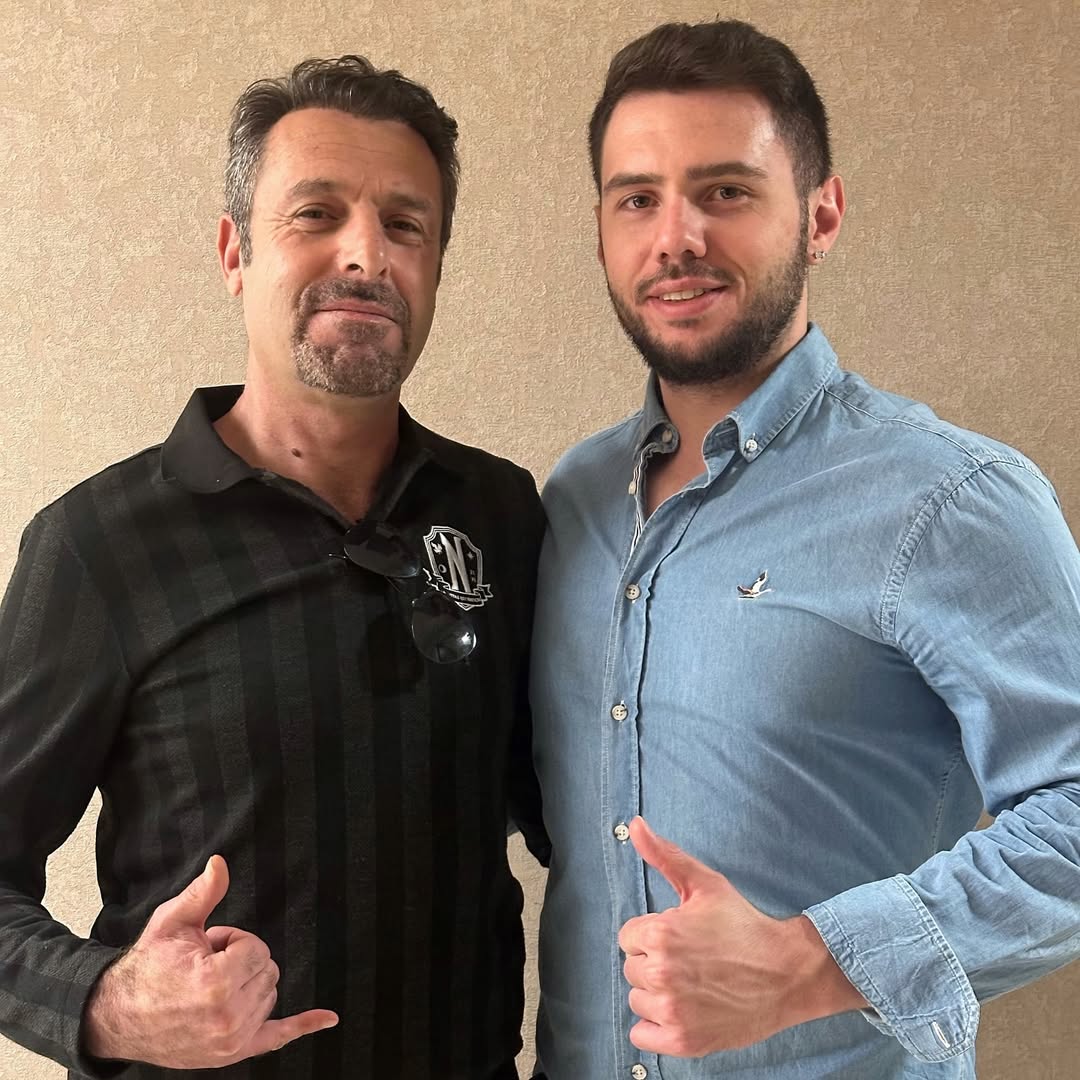


The New Solution for Those Without Beards: The Miracle of Beard Transplantation

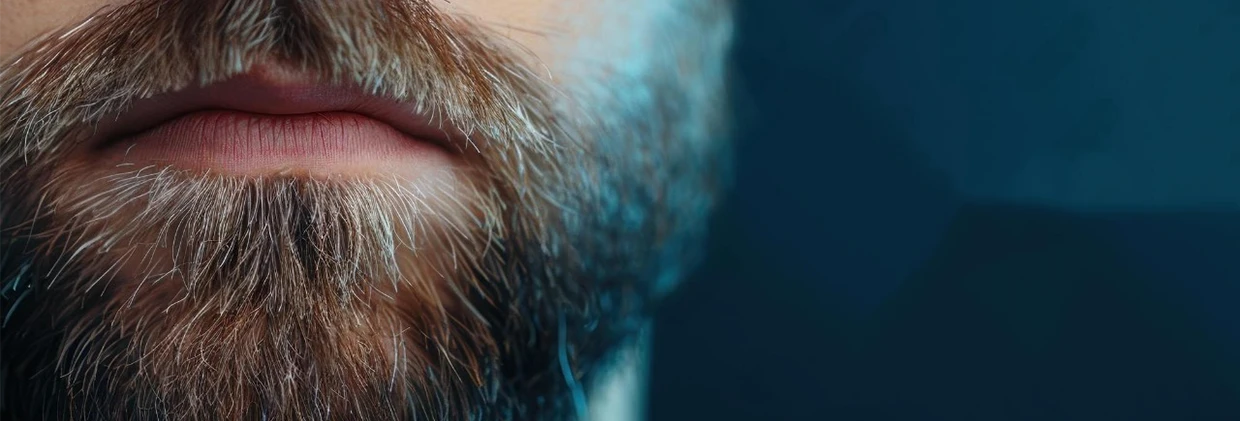
The New Solution for Those Without Beards: The Miracle of Beard Transplantation
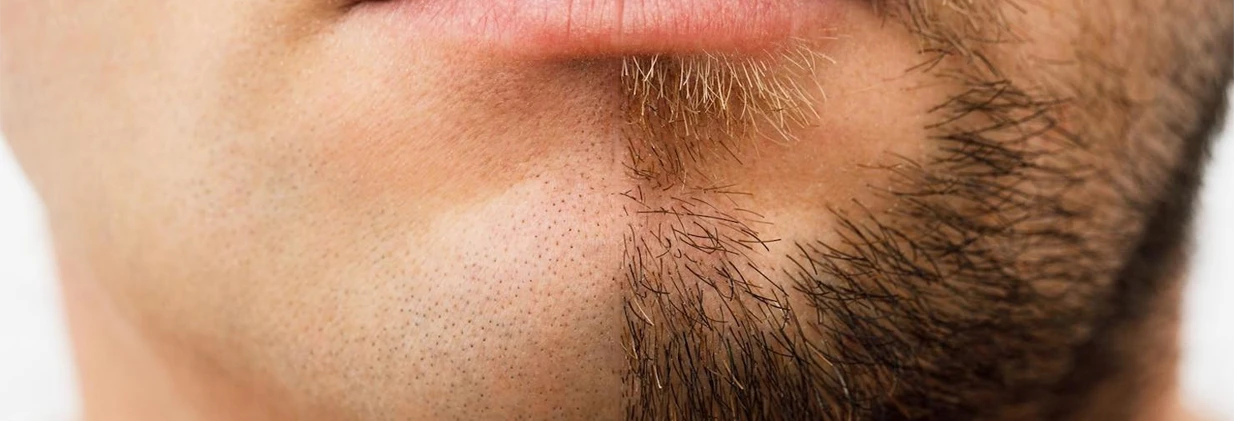
Beard Transplantation – The beard is an indispensable part of masculine identity and aesthetics; it is the most visible symbol of a strong, mature, and self-assured demeanor. However, for men who have never been able to grow a beard or have a very sparse beard due to genetic factors, hormonal deficiencies, or trauma, this situation can create a significant lack of self-confidence. Beard transplantation is a modern “miracle” that eliminates this limitation, promising an aesthetic and psychological transformation. As the Görkem Kazan Hair Transplant clinic, we detail the scientific foundation of creating a beard from scratch, the surgical finesse required, and the permanent change this operation brings to our patients’ lives.
Beard transplantation is not just about filling existing gaps; it is about redefining facial contours, emphasizing the jawline, and establishing an ideal aesthetic balance. This procedure involves harvesting DHT-resistant hair follicles from the back of the neck using micro-surgical methods like FUE or DHI and transferring them to hairless or sparse areas of the face. Its success depends not only on the permanence of the grafts but also on how flawlessly the implantation angle and hair density mimic the natural beard texture.
The Scientific Basis of the Beard Creation Miracle: Follicle Adaptation
The fundamental scientific reason that transplanted head hair remains permanently on the face is Donor Dominance. Hair follicles taken from the nape of the neck are genetically resistant to the DHT hormone that causes male pattern baldness. Even when transplanted to the face, they retain this genetic resistance and will not shed.
- Guarantee of Permanence: The transplanted hair follicles are permanent for life and continue to produce hair in their new location.
- Tissue Adaptation: After the grafts adapt to the face, they undergo a structural change through blood circulation and hormonal interaction. Over time, they become much closer to natural beard hair in terms of coarseness, texture, and growth rate. Regular shaving or trimming reinforces this adaptation.
This biological fact means that even those who have never grown a beard can have the desired density and shape.
Artistic Vision and Technical Excellence in Beard Creation
Creating a beard from scratch is not just a graft transfer; it requires a high level of artistic planning. The surgeon’s role in this process is less like a construction engineer and more like a sculptor:
1. Beard Line Design (Jaw and Cheek Lines)
Determining the ideal neck and cheek lines appropriate for the patient’s face shape and age dictates the aesthetic success of the operation. A chin line that is too sharp or a cheek line that is too low can lead to an artificial appearance. The surgeon must design these lines with soft transitions and in a natural form.
2. Angle and Direction Precision (The 10–15 Degree Rule)
Hair follicles on the face emerge at a very low angle, between 10 and 15 degrees, nearly parallel to the skin. Incorrectly setting this angle (e.g., vertical implantation) causes the beard to look stiff and artificial, like bristles. To ensure this millimetric precision, the DHI technique is often preferred because its specialized pen allows for this low-angle implantation.
3. Density Planning
A beard transplant from scratch may require between 2,000 and 4,500 grafts. Distributing this number of grafts proportionally and densely across the different regions of the face (mustache, chin, cheek) ensures the result looks full yet natural. Too high a density can impair blood flow, leading to graft loss; therefore, the surgeon’s experience is critical.
For Whom is Beard Transplantation a Lifesaver?
Beard transplantation is not just an aesthetic enhancement but a solution that improves the quality of life for the following groups:
- Those with Congenital Beard Absence: Men who cannot grow a beard or have a very sparse beard due to hormonal or hereditary reasons, even after puberty.
- Those with Regional Gaps: Individuals with irregular, scattered, or patchy beard growth who wish to permanently fill these gaps.
- Those with Traumatic Scars: Those who want to camouflage hairless areas caused by burns, accidents, or acne scars. SCAR transplantation involves implanting hair onto these scars.
- Those Seeking Defined Facial Features: Individuals who want to make their jawline and facial contours sharper and more prominent.
Operation and Recovery Process: The Key to Permanence
Beard transplantation is performed using FUE/DHI techniques. Hair follicles are typically harvested from the back of the head and the procedure is done under local anesthesia.
Recovery Timeline:
- First 10 Days: Redness and scabbing appear in the transplanted area. While the donor area heals quickly, scabs in the recipient area shed within 7–10 days with gentle washing as guided by the clinic.
- Shock Loss: The transplanted hairs temporarily shed 2–4 weeks later. This is a normal process indicating the follicles have entered the resting phase.
- Permanent Result: The first permanent hairs begin to emerge after 3–4 months, and the beard reaches its final density and thickness within 8 to 12 months.
All post-operative care instructions must be meticulously followed during the recovery period. Avoiding factors that impair blood flow, such as smoking and alcohol, is vital for the healthy survival of the grafts. Organizations like the International Society of Hair Restoration Surgery (ISHRS) view post-operative care as mandatory for the best result.
Long-Term Investment: Support and Quality Assurance
Beard transplantation is not a one-time operation but a long-term investment. The following steps are recommended to support the permanence of a successful outcome:
- Biological Support: Post-operative PRP or stem cell treatments increase the nourishment of the transplanted grafts, helping them emerge faster and thicker.
- Choosing the Right Specialist: The biggest risk is inexperienced surgeons implanting grafts at the wrong angle, creating artificial, backward-growing beard hairs. At Görkem Kazan Hair Transplant clinic, we guarantee artistic precision and technical excellence in beard transplantation.
The miracle of beard transplantation is no longer a dream but an achievable solution combining science and art. To achieve a permanent, natural beard that suits your facial contours, you can contact us for a detailed analysis and planning with our specialists.