

Pre-Hair Transplant PRP: The Surprise Support That Increases Operation Success

Pre-Hair Transplant PRP: The Surprise Support That Increases Operation Success
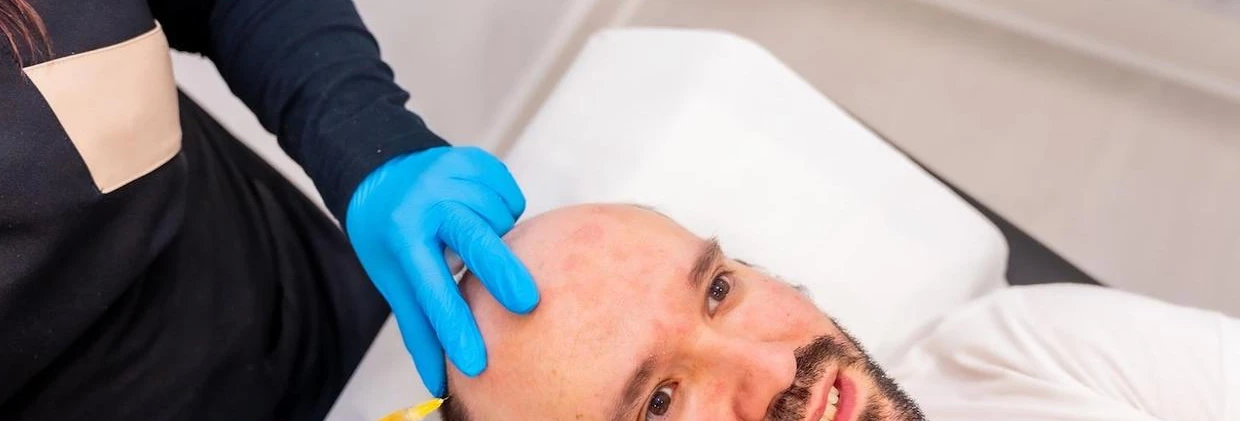
Pre-Hair Transplant PRP – The success of a hair transplant operation is generally associated with the surgeon’s skill, the technology used, and post-operative care. However, there is a hidden hero in this equation that is often overlooked but directly impacts the result: Pre-Operative PRP Therapy. PRP (Platelet-Rich Plasma), which is usually used to accelerate post-hair transplant healing, actually significantly increases the success of the transplant and the survival rate of the grafts by rolling out a “red carpet” for the hair follicles when applied weeks before the operation. As the Görkem Kazan Hair Transplant clinic, we examine in detail the scientific rationale of this surprise support in the hair transplant preparation process and how it guarantees the operation’s success.
We can compare a hair transplant to sowing seeds in a fertile field. No matter how good the quality of the seeds (grafts) and the skill of the farmer (surgeon) are, the quality of the soil (the scalp) is just as important. Pre-operative PRP takes on the exact task of enriching this “soil,” nourishing it, and making it most suitable for transplantation. This proactive approach transforms the hair transplant from a game of chance into a scientific process where every stage is controlled.
The Scientific Rationale of Pre-Operative PRP: Why Is It So Effective?
PRP is a rich plasma obtained from the patient’s own blood, containing a concentration of growth factors many times higher than normal. These growth factors are biological signals that trigger tissue repair and cell regeneration. When PRP is applied after the operation, these signals work to repair the existing trauma. However, when applied before the operation, these signals proactively heal and strengthen the recipient area. This preparation increases the success of the operation through three main mechanisms:
1. Increasing Blood Supply (Angiogenesis) in the Recipient Area
This is the most critical benefit of pre-operative PRP. The growth factors in PRP (especially VEGF) trigger angiogenesis, the formation of new capillaries, in the scalp. Thanks to PRP sessions performed weeks before the operation, the vascular network in the area to be transplanted becomes enriched. What does this mean?
- Faster Nourishment of Grafts: Newly transplanted hair follicles must connect to the blood circulation within the first 48-72 hours to survive. A recipient area with increased blood supply allows the follicles to connect to this “nutrient line” much faster and more efficiently.
- Higher Graft Survival Rate: A fast and strong blood flow means more oxygen and nutrients are delivered to the follicles. This directly increases the survival (engraftment) rate of the grafts, which are particularly delicate during the operation.
2. Strengthening Existing Hair and Reducing Shock Loss
A hair transplant operation creates temporary trauma not only in the transplanted area but also in the surrounding existing hair follicles. This trauma can cause a temporary shedding of existing hair, known as “shock loss.” Pre-operative PRP:
- Strengthens the weak and thinned (miniaturized) hairs in the area to be transplanted.
- Makes the follicles more resistant to trauma, reducing the severity and duration of the post-operative shock loss.
This not only makes the final result appear denser but also helps the patient have a psychologically more comfortable recovery process.
3. Improving Skin Quality and Healing Capacity
The growth factors in PRP also trigger the production of collagen and elastin, the main building blocks of the skin. Pre-operative PRP sessions increase the quality, elasticity, and repair capacity of the scalp. Healthier skin tissue heals faster after the operation, with less scabbing and redness, and the risk of infection decreases.
What Should the Ideal Timing and Protocol Be?
To get the maximum benefit from pre-operative PRP therapy, correct timing is critically important. It takes time for the body to form new blood vessels and regenerate tissue. Therefore, the ideal protocol is generally as follows:
- Start Time: It should be started at least 1 month before the hair transplant operation.
- Number and Frequency of Sessions: A total of 2 to 3 sessions are generally applied at intervals of 2-3 weeks.
This protocol guarantees that the recipient area will be in its most biologically efficient and ready state on the day of the operation. Scientific studies on this subject support that pre-operative regenerative therapies increase graft survival. Research published in the National Library of Medicine (NCBI) demonstrates the effects of PRP on angiogenesis.
For Whom is Pre-Operative PRP Especially Important?
While this preparation process is beneficial for every patient, it is a factor that directly determines the success of the operation for some patient groups:
- Smokers: Smoking severely impairs blood flow by constricting blood vessels. In these patients, pre-operative PRP helps to counteract this negative effect.
- Older Patients: With age, skin quality and blood circulation naturally decrease. PRP rejuvenates the recipient area, increasing the chance of success.
- Those Planning a Dense Transplant: If a high number of grafts are to be transplanted, the blood flow in the recipient area must be at a maximum level to be able to nourish this density.
- Revision (Correction) Operations: It is mandatory to increase the blood supply with PRP, especially if transplantation is to be performed on scar tissue from previous operations (SCAR transplantation).
The success of a hair transplant operation is an equation where a series of factors come together. Pre-operative PRP is one of the most powerful variables in this equation. This supports the success of both FUE and DHI techniques. As Görkem Kazan Hair Transplant, we plan a personalized preparation process for each of our patients to achieve the best results. To secure your hair transplant investment from the very beginning and to maximize the success potential of the operation, you can get information about a personalized treatment plan by contacting us.