

Mesotherapy vs. PRP: Which is More Effective?

Mesotherapy vs. PRP: Which is More Effective?
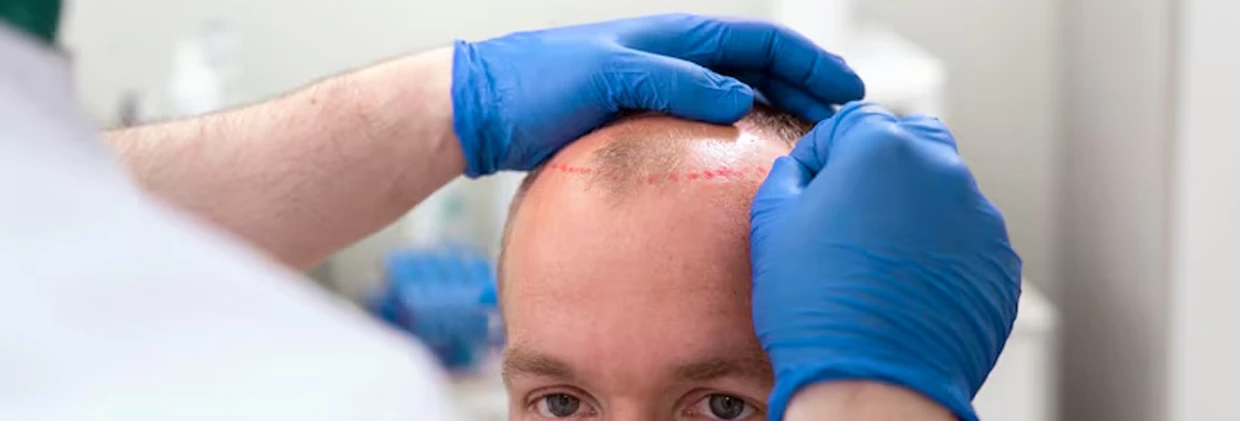
Mesotherapy vs. PRP – In the fight against hair loss and declining hair quality, non-surgical, injection-based treatments offer the most popular and effective solutions. Two main treatments stand out in this field: Hair Mesotherapy and PRP (Platelet-Rich Plasma). Both methods aim to revitalize hair follicles and slow down shedding. So, if one has to choose between these two powerful treatments, which one is more effective? This is a complex topic that patients with hair loss are most curious about, but the answer is not a simple “this one is better.” As the Görkem Kazan Hair Transplant clinic, we explain in detail the scientific mechanisms and differences of Mesotherapy and PRP, in which situations they have superiority over each other, and most importantly, how they can be combined for the best result.
The most accurate approach is to see Mesotherapy and PRP not as two competitors, but as two complementary forces that reach the same goal through different paths. The answer to the question “Which is more effective?” varies depending on the cause of your hair loss, the needs of your hair follicles, and your expectations from the treatment. The right treatment is always the one that is personalized.
Part 1: Understanding the Mechanisms – The Fundamental Differences
To compare the effectiveness of the two treatments, it is first necessary to understand how they work.
Hair Mesotherapy: Direct Nutritional Support (“Vitamin Injection”)
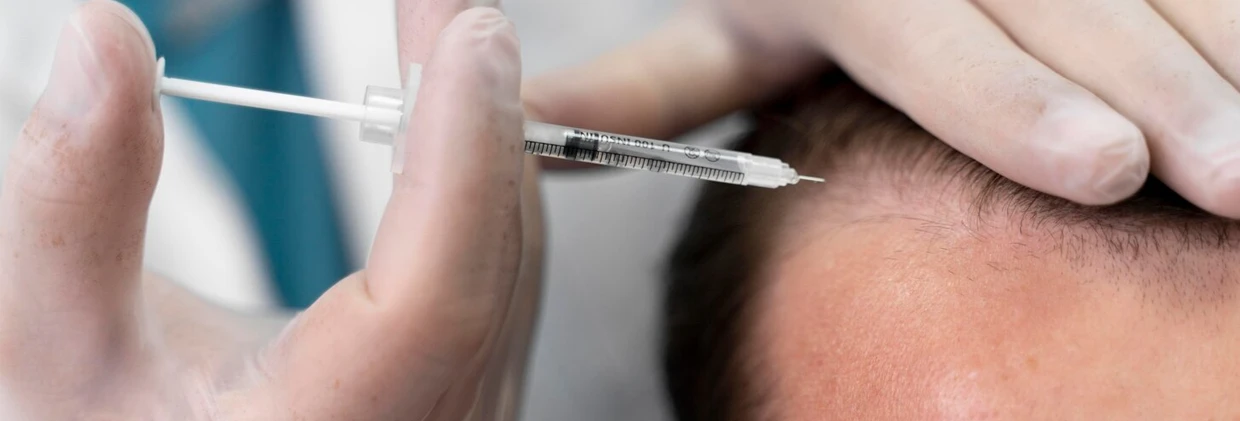
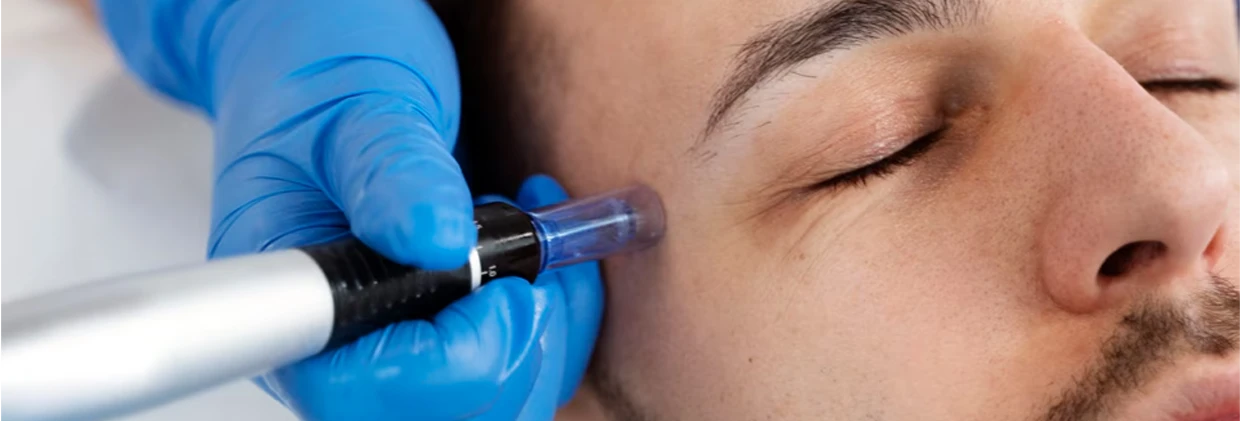
Hair Mesotherapy is fundamentally a nutritive treatment. It involves injecting a specially prepared “cocktail” of vitamins (Biotin, B5), minerals (Zinc, Selenium), amino acids, and circulation-enhancing agents that hair follicles need to grow and survive, directly into the middle layer of the scalp (the mesoderm) with micro-needles.
Analogy: You can think of Mesotherapy as giving the highest quality and richest fertilizer directly to the roots of a weakened plant.
PRP Therapy: A Biological Repair Signal (“The Body’s Own Power”)
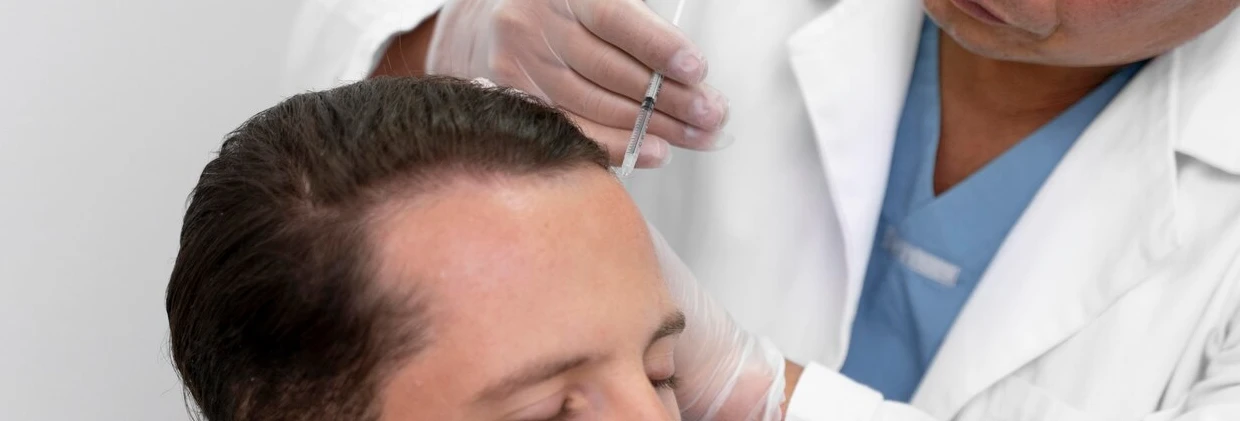
PRP therapy, on the other hand, is a regenerative (restorative) treatment. It uses plasma enriched with platelets obtained from the patient’s own blood. Platelets release hundreds of different growth factors that initiate the body’s repair mechanism. These growth factors send a direct “repair and revitalization” signal to the hair follicles. They stimulate stem cells, trigger the formation of new blood vessels (angiogenesis), and initiate tissue regeneration.
Analogy: You can think of PRP not as giving fertilizer to the plant’s roots, but as sending a biological signal for the roots to repair themselves, go deeper, and use the nutrients in the soil more efficiently.
Part 2: In Which Situation is Which More Effective?
This difference in the mechanisms of action of the two treatments makes them more effective in different types of hair loss:
Situations Where Mesotherapy is Superior:
- Shedding Due to Nutritional Deficiency: If blood tests reveal specific deficiencies such as Iron, Zinc, Biotin, or B12, a targeted mesotherapy cocktail that directly replaces these deficiencies is the fastest and most effective solution.
- Seasonal or Stress-Induced Shedding (Telogen Effluvium): In these types of shedding, hair follicles suddenly enter the resting phase. Mesotherapy is very effective in pushing these follicles back into the growth phase by applying a quick “vitamin shock.”
- Improving General Hair Quality and Shine: For people whose hair is not shedding but looks lifeless, dull, and weak, mesotherapy is an ideal “shine and health” cure to improve the quality of the hair strands.
Situations Where PRP is Superior:
- Androgenetic Alopecia (Genetic Hair Loss): In male and female pattern genetic hair loss, hair follicles shrink (miniaturize) due to the DHT hormone. The powerful growth factors in PRP have a stronger biological effect than mesotherapy in reversing this miniaturization process and thickening the follicles.
- Tissue Repair and Healing Processes: The regenerative power of PRP is unmatched in situations requiring repair, such as accelerating healing after hair transplantation or increasing the vascularity of scar tissue (SCAR transplantation).
- Patients with Poor Blood Circulation: PRP’s ability to trigger the formation of new blood vessels (angiogenesis) provides a vital advantage for patients whose scalp is not sufficiently nourished.
Part 3: The Most Powerful Approach – Combination Therapy and Synergy
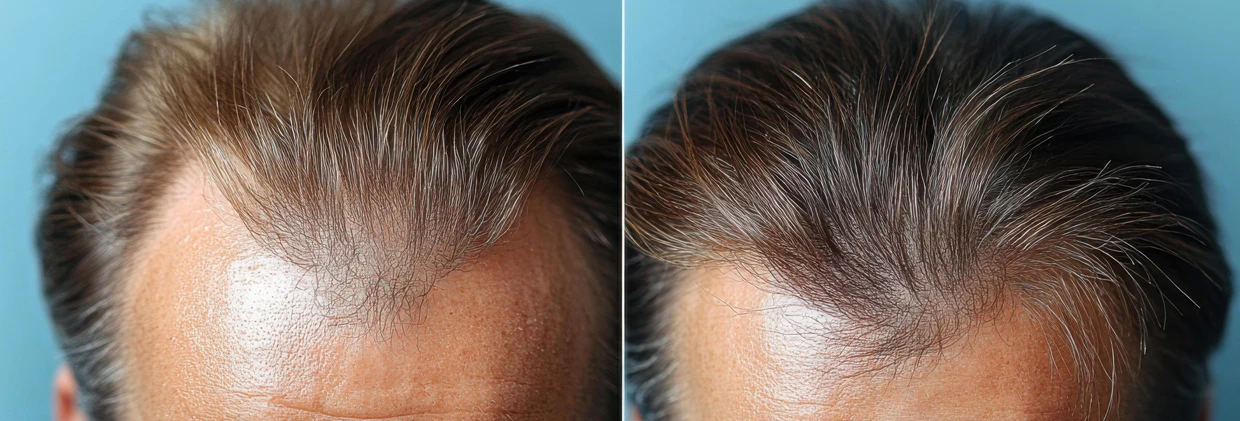
In modern hair loss treatment, the most accurate answer to the question “Mesotherapy or PRP?” is often “Both.” When these two treatments are combined, they offer a synergistic approach that strengthens each other’s effects. This combination provides the hair follicle with both the building blocks it needs (with Mesotherapy) and the repair signal required to use those building blocks (with PRP) at the same time.
Protocol Example: An expert physician usually plans an initial protocol of 4-8 sessions depending on the patient’s condition. In this protocol, sessions are applied alternately (e.g., one session of PRP, two weeks later one session of Mesotherapy) to take maximum advantage of the benefits of both methods.
Scientific studies also examine the comparative effectiveness of these two methods. Research published in the National Library of Medicine (NCBI) shows that both PRP and mesotherapy are effective in treating androgenetic alopecia, but their mechanisms of action are different.
The Decision Process: Why is Expert Analysis Mandatory?
Deciding which treatment or which combination will be more effective for you is only possible through a detailed analysis by a specialist physician. At the Görkem Kazan Hair Transplant clinic, this process begins with:
- Blood Tests: To detect underlying vitamin/mineral deficiencies or hormonal problems.
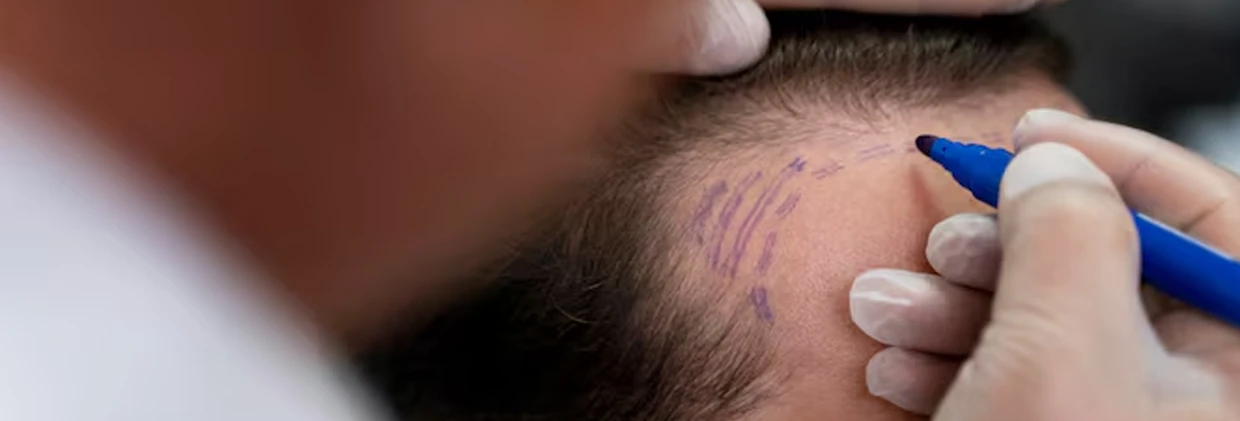
- Trichoscopy (Hair Analysis): To analyze the degree of hair follicle miniaturization, density, and the condition of the scalp.
In light of this data, if the cause of your hair loss is nutritional, Mesotherapy will be prioritized, while if it is genetic or repair-oriented, PRP will come to the forefront. In most cases, a protocol combining both is created for the best result. To create the most effective and personalized treatment plan in the fight against hair loss, you can contact us.