

Are PRP and Mesotherapy Applications Painful?

Are PRP and Mesotherapy Applications Painful?
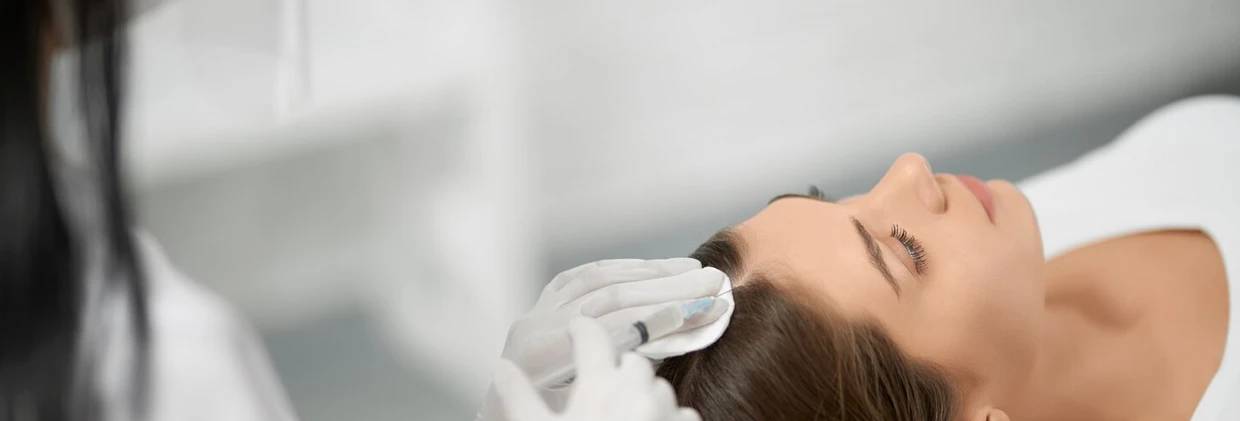
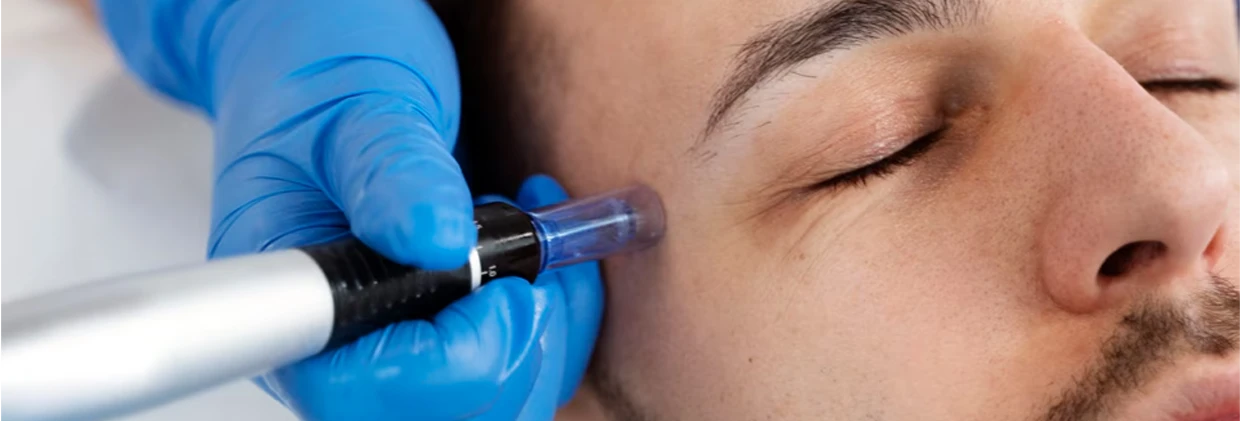
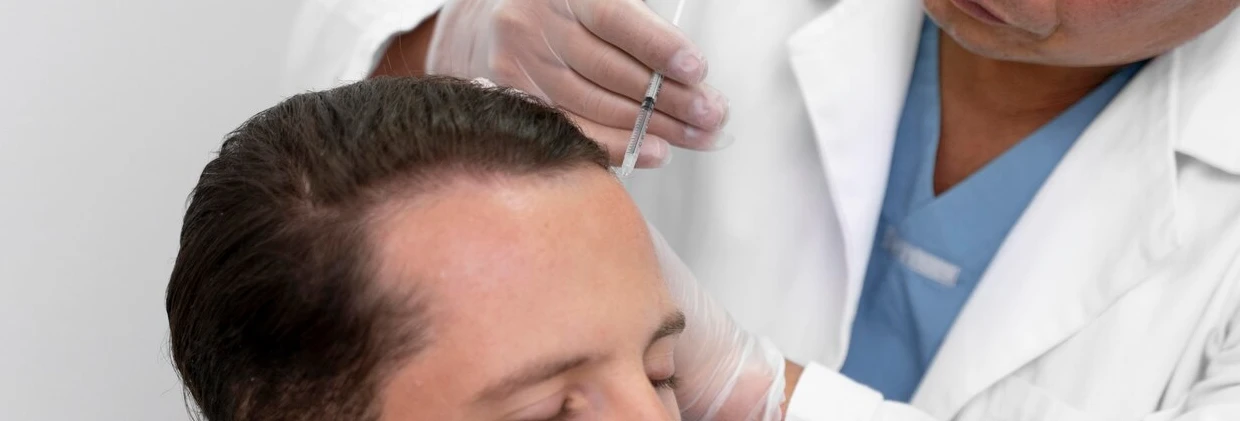
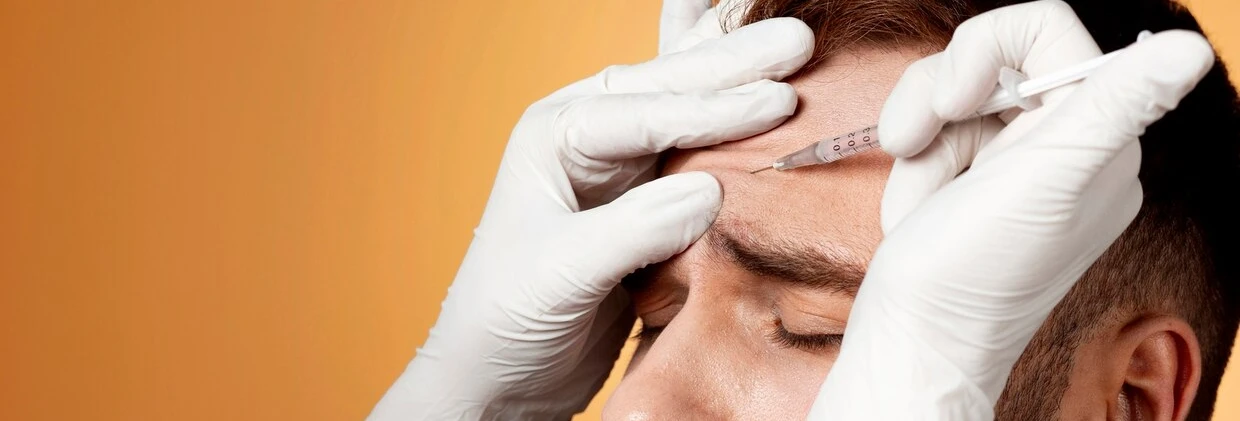
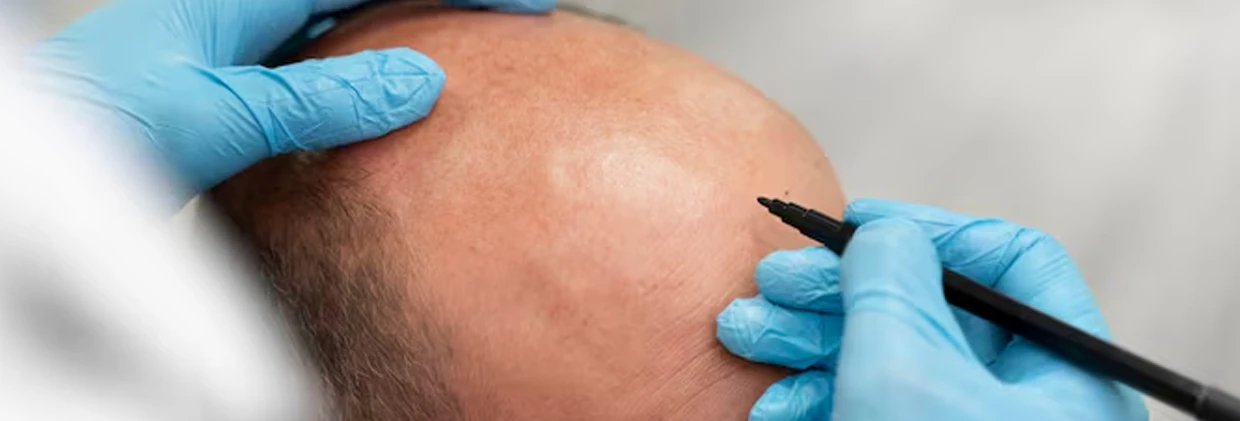
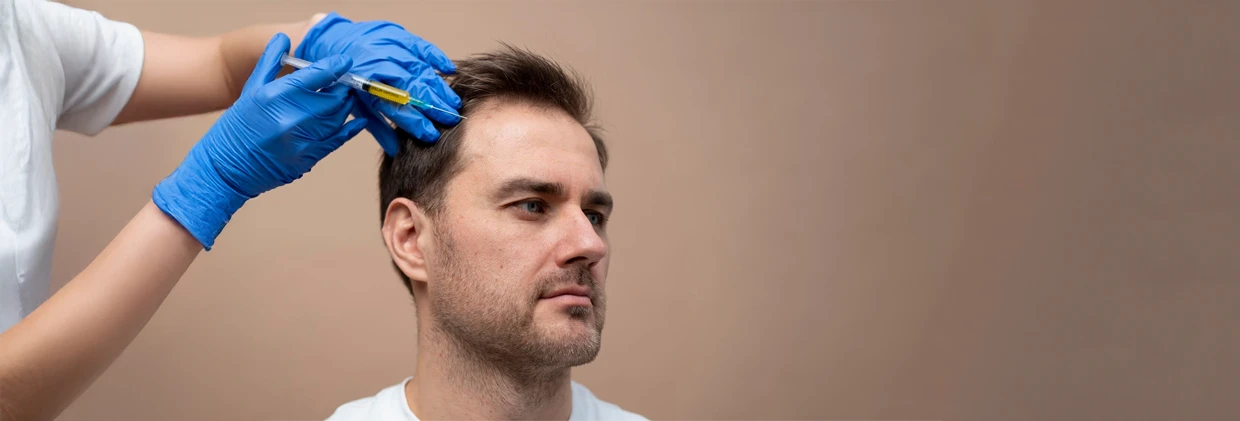
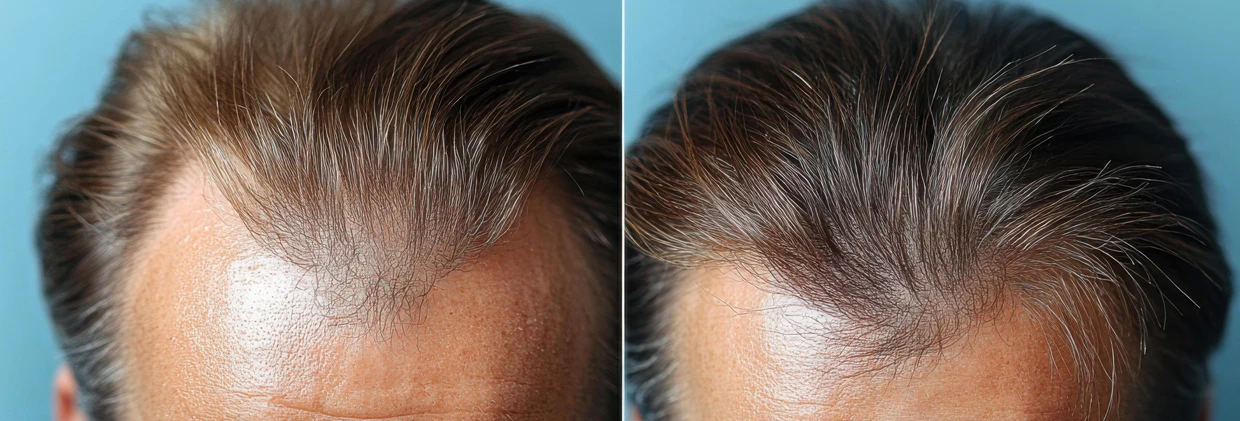
PRP (Platelet-Rich Plasma) and Hair Mesotherapy are the most effective non-surgical treatment methods available today for stopping hair loss and revitalizing weakened hair follicles. Since both treatments are applied to the scalp via micro-injections, the most natural and common concern on patients’ minds is whether these procedures are painful. A fear of needles or pain can prevent many patients from benefiting from these revolutionary treatments. As the Görkem Kazan Hair Transplant clinic, we transparently explain the sensation of pain during PRP and Mesotherapy applications, the modern comfort methods we use to minimize this sensation, and the realistic expectations about the process to eliminate all question marks on this subject.
Let’s provide a clear answer right from the start: thanks to modern anesthesia and comfort techniques, PRP and Mesotherapy applications are not painful, but rather procedures that create a minimal level of discomfort. Most patients describe the procedure as a “slight prickling” or a “feeling of pressure” and return to their daily lives immediately after the session. It is very important that you understand the process in all its details to not let the fear of pain be an obstacle to restoring your hair health.
Understanding the Sensation of Pain: Why is “Pain” Relative?
The sensation of pain is a highly personal and relative concept. Each individual’s pain threshold is different. However, there are also objective factors that determine the comfort level in PRP and Mesotherapy applications:
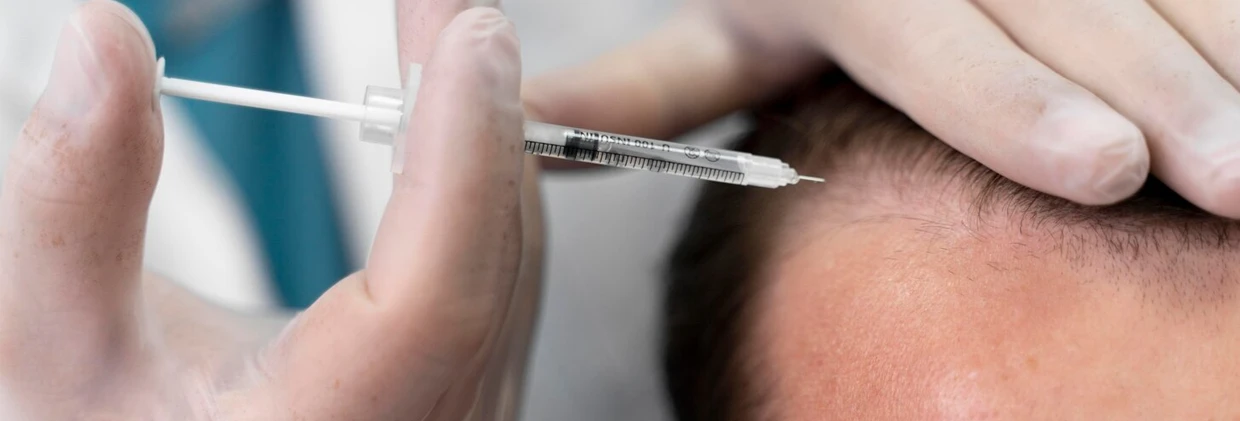
- The Fineness of the Needles Used: The treatments use specially designed micro-needles that are much thinner than those used for drawing blood. The entry of these needles into the skin usually creates a sensation similar to a mosquito bite.
- Application Speed and Technique: The manual experience of the physician performing the procedure, and their ability to perform the injections quickly and at the correct depth, significantly reduces the discomfort felt.
- The Anesthesia Method Used: This is the most important factor. With the right anesthesia method, the procedure can be made almost completely sensation-free.
Modern Anesthesia and Comfort Methods We Use for a Comfortable Treatment
In our clinic, to keep patient comfort at the highest level, we do not stick to a single method but use different comfort-enhancing techniques together, according to the patient’s sensitivity:
1. Topical Anesthetic Creams
This is the most commonly used method. About 30-45 minutes before the procedure, a strong anesthetic cream is applied to the entire scalp. This cream numbs the upper layer of the skin, largely eliminating the pricking sensation during needle entries. For most patients, this method is sufficient on its own.
2. Cold Air and Vibration Devices (Gate Control Theory)
During the injection, we use special devices that simultaneously blow cold air or apply vibration to the application area. The scientific logic behind this technique is the “Gate Control Theory.” When touch, vibration, and cold sensations are sent to the skin at the same time, these signals reach the brain faster than the pain signal and “close” the nerve gates, preventing the sensation of pain from being transmitted to the brain. This is an extremely effective comfort method for patients with a fear of needles.
3. Needle-Free Anesthesia (Dermojet – Pressure Injection)
This is one of the most advanced technologies we offer for our patients with the highest level of needle phobia. The needle-free anesthesia device (Dermojet) sends the anesthetic liquid under the skin by spraying it at high pressure, without using a needle. This avoids even the stress created by the first local anesthesia needle.
4. Local Anesthesia (In Necessary Cases)
For our patients with a very low pain threshold or who want to feel more secure, very small doses of local anesthesia injection can be administered. This completely numbs the procedure area and guarantees a zero-pain sensation.
Is There a Comfort Difference Between PRP and Mesotherapy?
In general, the comfort level during the injection phase of both procedures is almost the same. The main difference between them is the preparation process:
- PRP Treatment: Blood must be drawn from the patient before the procedure. This is no different from a standard blood draw and takes only a few seconds. During the injection, there may be a slight feeling of “pressure” or “fullness” due to the density of the plasma.
- Mesotherapy: There is no blood draw procedure. The ready-made cocktail is applied directly. The sensation felt is only from the needle entries.
In conclusion, both procedures are considered extremely tolerable and painless thanks to the comfort methods mentioned above.
The Post-Session Process: Will There Be Pain?
After the session is over and the effect of the anesthesia wears off, there is generally no pain. Most patients may mention a slight tenderness, a feeling of fullness on their scalp, or a mild headache that will pass by the next day. These situations do not affect daily life and usually do not even require taking a painkiller. Most importantly, there is no recovery period after PRP and Mesotherapy. You can return to your work and social life immediately after the session.
In hair loss treatment, organizations like the International Society of Hair Restoration Surgery (ISHRS) emphasize that clinics that prioritize patient safety and comfort should be preferred.
You do not need to be deprived of the benefits offered by powerful regenerative treatments like PRP and Mesotherapy due to a fear of pain. As the Görkem Kazan Hair Transplant clinic, we are committed to making this process as comfortable as possible for you by using the latest technologies. To create a personalized treatment plan and to get detailed information about our comfort methods, you can contact us.