

Ending Sparse Hair with the DHI Technique

Ending Sparse Hair with the DHI Technique: The Most Common Application Areas
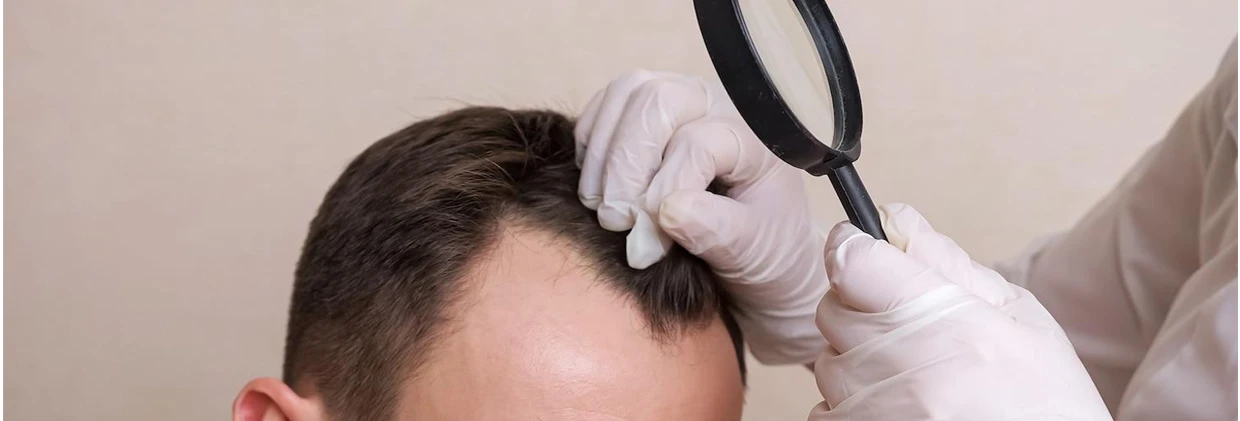
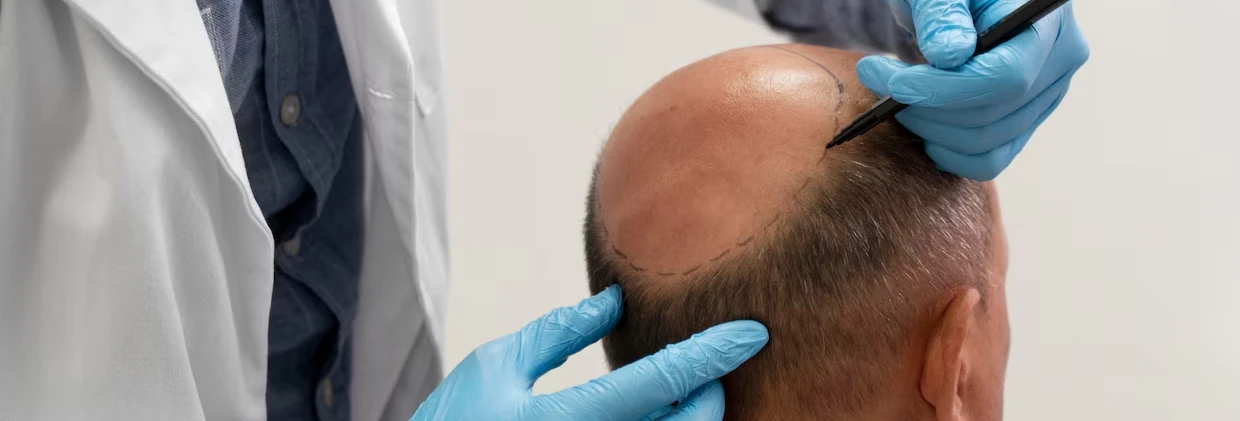
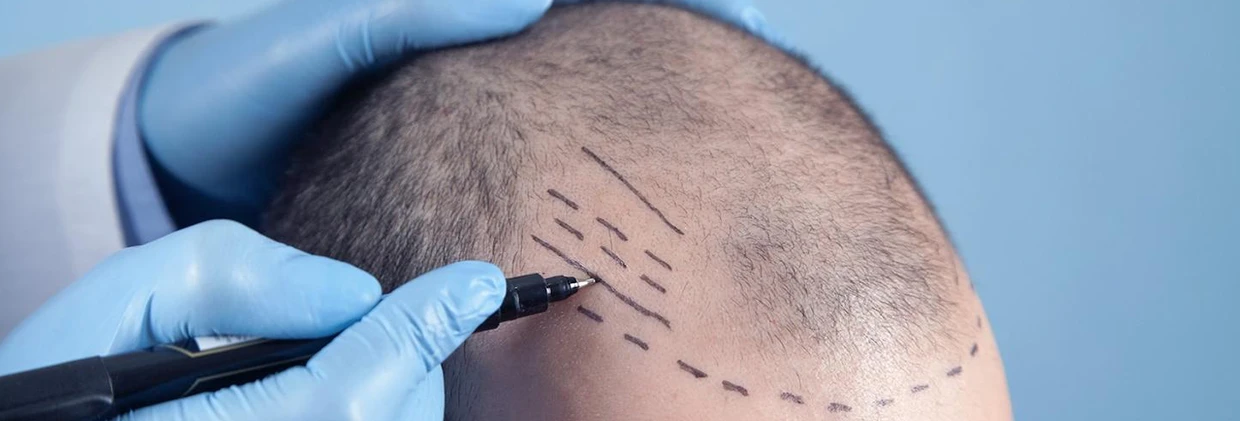
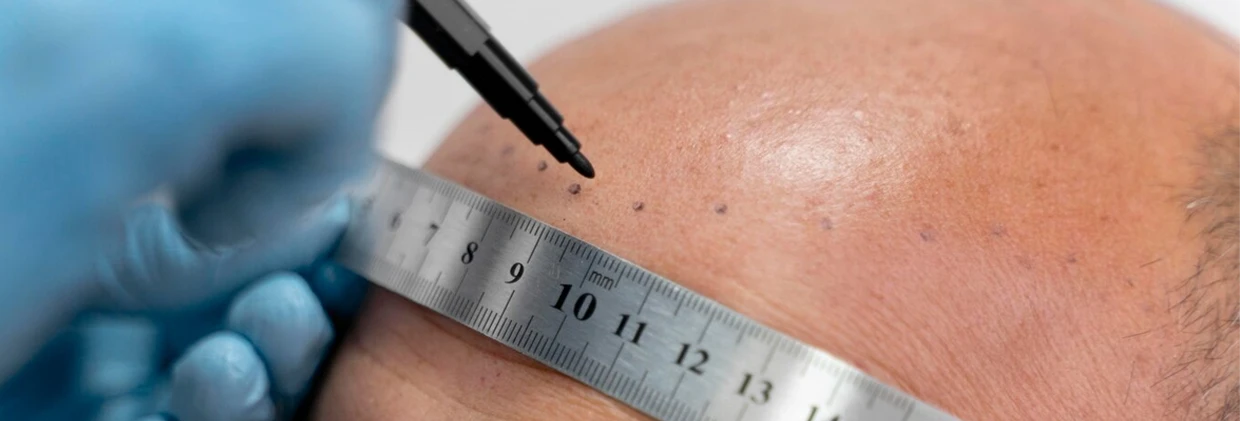
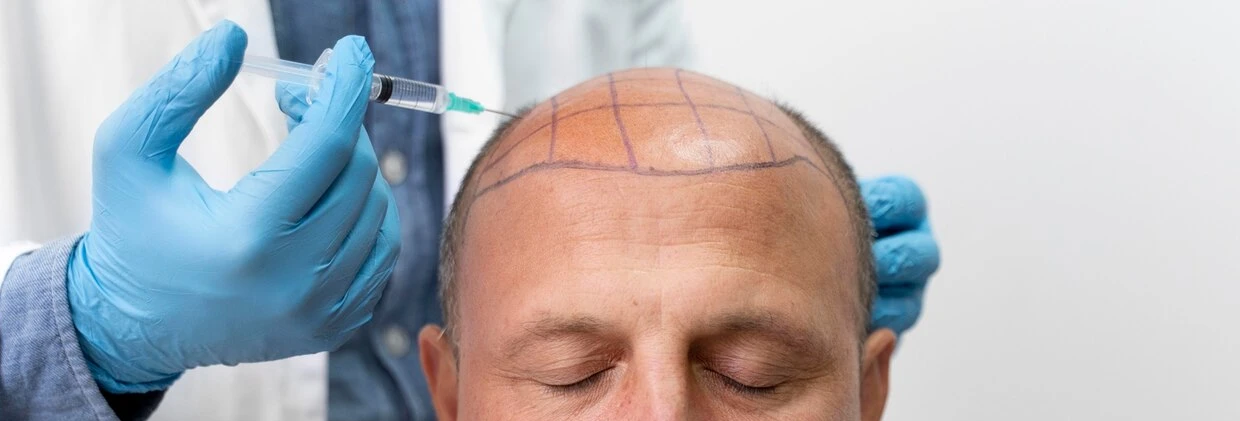
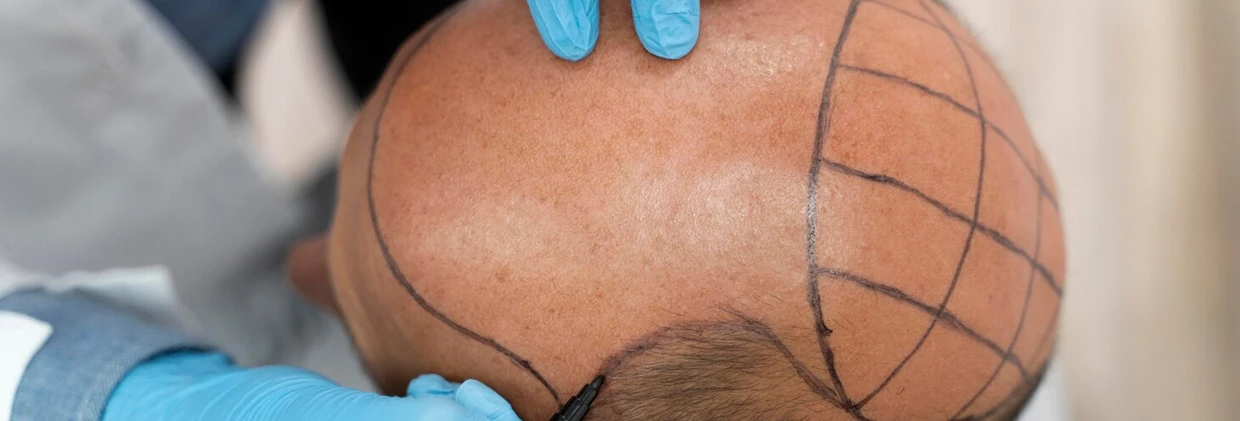
Ending Sparse Hair with the DHI Technique – Hair loss doesn’t always result in complete baldness; often, it manifests as general thinning of the hair and reduced density in specific areas. This “sparseness” can create aesthetic discomfort by making the hair look limp, lifeless, and causing the scalp to become visible. The Direct Hair Implantation (DHI) technique is the most precise and effective solution developed specifically for this problem: re-densifying sparse hair. Using the special Choi Implanter Pen, DHI offers the possibility of implanting between existing hairs without damaging them, bringing life back to thinned areas. As the Görkem Kazan Hair Transplant clinic, we examine in detail why the DHI technique is so successful in combating sparse hair and in which areas it most often creates remarkable results.
Densifying sparse hair requires much more precision and skill than transplanting onto a completely bald area. The goal is not only to fill the gaps but also to protect the existing healthy hair follicles and achieve a natural blend with the transplanted grafts. The DHI technique successfully accomplishes this challenging task thanks to the millimetric control and minimally invasive approach it offers.
Why is DHI Ideal for Sparse Hair? The Precision of the Choi Pen
The main reason DHI provides superiority in sparse areas is the Choi Implanter Pen, the heart of the operation. This special pen:
- Combines Channel Opening and Implantation: Unlike the traditional FUE technique, it does not require pre-made channels. The pen both opens the channel and places the graft simultaneously. This is a vital advantage when working in narrow spaces between existing hair follicles.
- Protects Existing Follicles: Thanks to the pen’s fine tip and controlled placement mechanism, the surgeon can implant precisely between existing healthy hair follicles without touching or damaging them. This eliminates the risk of follicle damage that can occur during channel opening in FUE.
- Provides Angle and Direction Control: To achieve naturalness in sparse areas, the transplanted grafts must perfectly match the natural exit angle and direction of the surrounding hair. The DHI pen gives the surgeon this millimetric control.
- Offers High-Density Potential: The pen technique allows for the placement of more grafts per unit area. This makes it possible to achieve a fuller and more satisfying result in sparse regions.
The Most Common Areas for Densification with DHI
Thanks to its precision, the DHI technique is used to address sparseness in many different areas of the body:
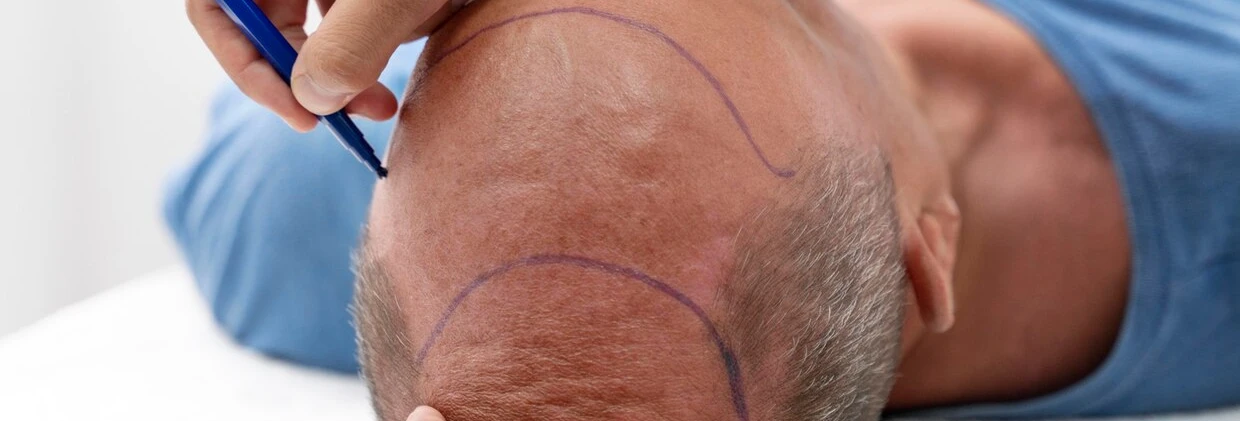
1. Crown Area (Vertex) Densification:
This is one of the most frequently thinning areas in male pattern baldness and causes significant aesthetic concern. The hair growth direction in the crown area is circular and complex. DHI is extremely effective in increasing density in this region by working between the existing hairs without disturbing the natural “whorl” pattern.
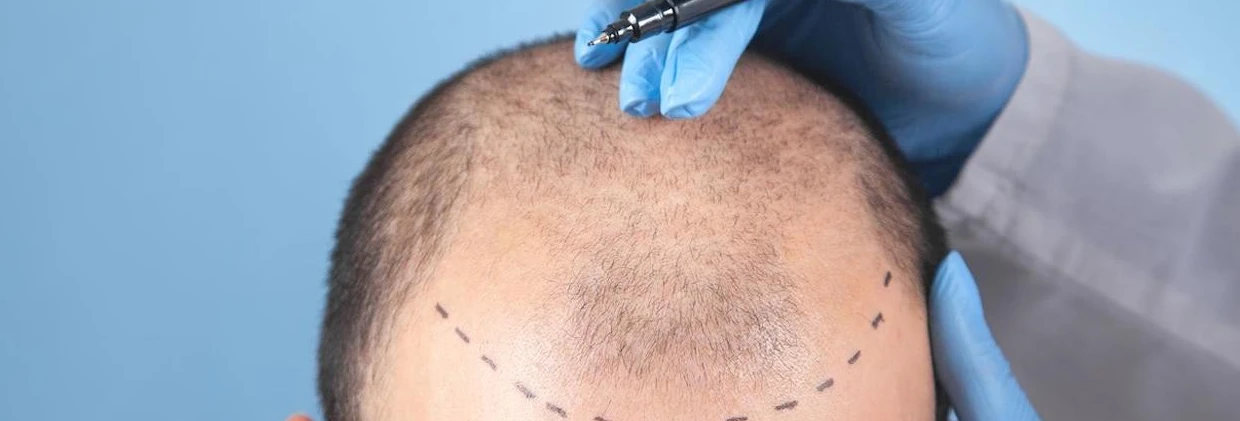
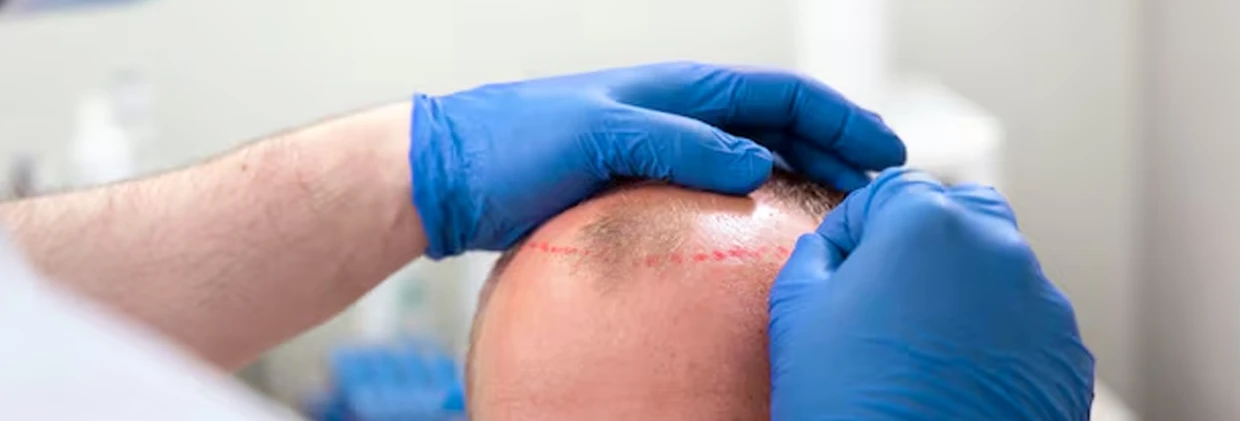
2. Frontal Hairline Reinforcement and Strengthening:
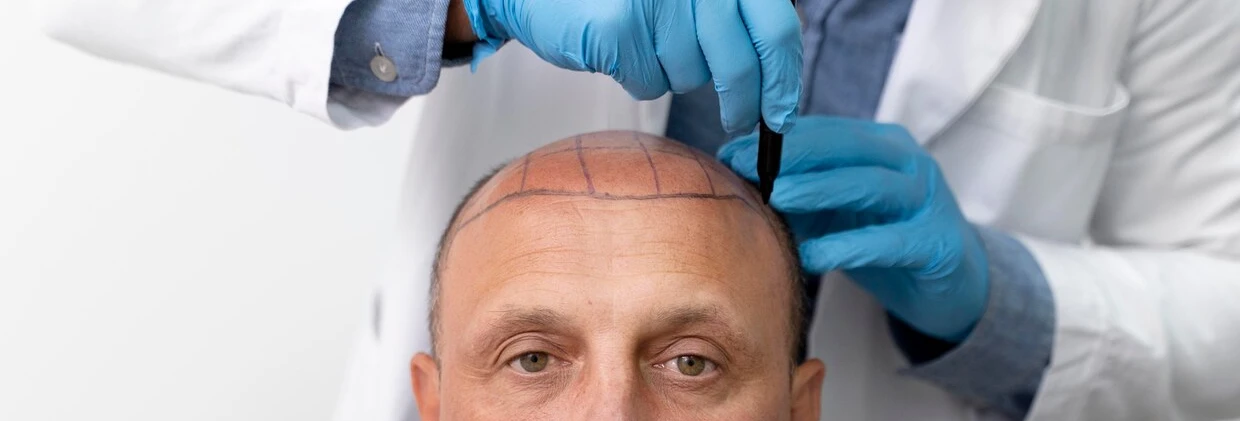
Hair loss often begins with the recession or thinning of the frontal hairline. DHI restores the line to a more defined, denser, and youthful appearance by implanting grafts behind the existing hairline or along the thinned line. The angle and direction control in the front line highlights DHI’s artistic superiority.
3. Temple Area (Temporal Points) Filling:
Recession in the temples disrupts the overall frame of the face and makes the forehead appear wider than it is. DHI is ideal for creating a natural and soft line by implanting grafts among the fine hairs in this delicate area.
4. Addressing Diffuse Thinning in Female Pattern Hair Loss:
Hair loss in women typically appears as diffuse thinning over the entire crown area. DHI is perfectly suited for this condition. Overall density can be increased by implanting grafts between the existing long hairs without shaving (unshaven transplant). This allows female patients to continue their social lives without interruption.
5. Beard and Mustache Densification:
Facial hair can also become sparse over time or due to genetics. To fill regional gaps in the beard or mustache or to increase overall density, DHI is the most preferred method due to the angle control it offers and its ability to protect existing hairs.
The DHI Densification Process and Expectations
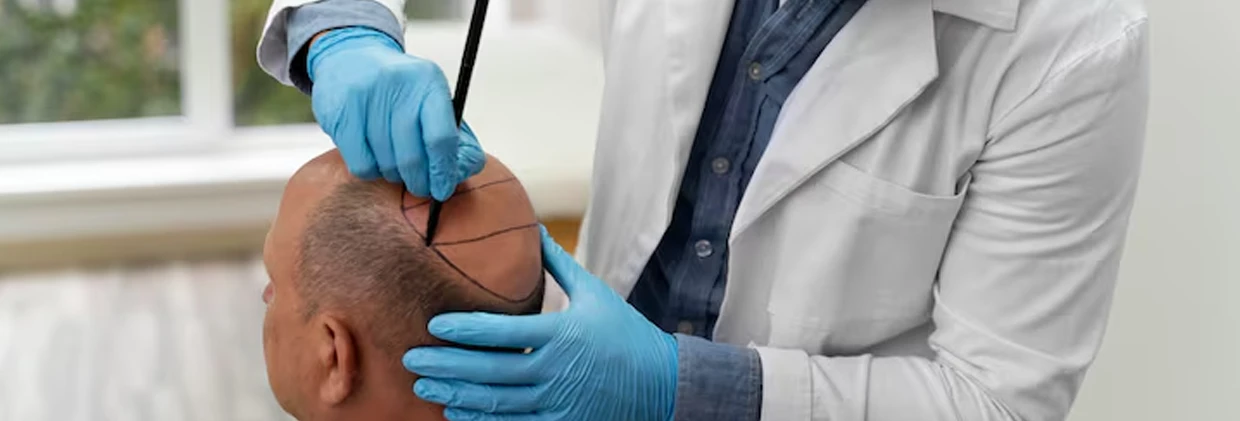
A DHI densification operation follows similar steps to a standard hair transplant: harvesting grafts from the donor area (usually the nape) with FUE and implanting them into the sparse areas with the Choi pen. However, since the work is done among existing hairs, the operation time might be slightly longer for the same number of grafts compared to a standard transplant.
The recovery process highlights DHI’s advantages: less bleeding, less scabbing, and faster healing are expected. The shock loss phase still occurs, but as the new hair begins to grow (usually after 4-6 months), the sparse areas become noticeably fuller. It may take 12-18 months to see the final result.
For those seeking density and naturalness in hair transplantation, the DHI technique is a perfect blend of science and art. Organizations like the International Society of Hair Restoration Surgery (ISHRS) emphasize the importance of applying advanced techniques like DHI with the correct indications and by expert hands.
If you are also concerned about thinning hair and want to achieve a fuller look while preserving your existing hair, the DHI technique might be the ideal solution for you. You can contact the specialists at Görkem Kazan Hair Transplant to create a personalized evaluation and treatment plan.