

PRP or Mesotherapy for Hair Loss?


PRP or Mesotherapy for Hair Loss? The Right Decision Guide
PRP or Mesotherapy for Hair Loss? – In the quest for non-surgical, effective, and fast-acting methods to combat hair loss, two treatments frequently emerge: PRP (Platelet-Rich Plasma) and Hair Mesotherapy. Both aim to revitalize hair follicles via injection and are steadily increasing in popularity. However, the question that confuses patients the most is: “Which one is better for me? PRP or Mesotherapy?” There is no single, definitive answer to this question because the right choice depends entirely on the cause of your hair loss, the needs of your hair follicles, and your expectations from the treatment. As the Görkem Kazan Hair Transplant clinic, we have prepared this comprehensive guide to help you understand the differences and advantages of these two powerful treatments and in which situations one might have an edge over the other.
The most accurate approach is not to view Mesotherapy and PRP as competitors, but as two complementary forces reaching the same goal through different paths. The answer to “Which is more effective?” depends on the cause of your hair loss, the needs of your hair follicles, and your expectations from the treatment. The right treatment is always the personalized one.
Part 1: Understanding the Mechanisms – The Fundamental Differences
Before comparing the “effectiveness” of the two treatments, it’s essential to understand how they work and what they contain:
Hair Mesotherapy: Targeted Nutritional Supplementation
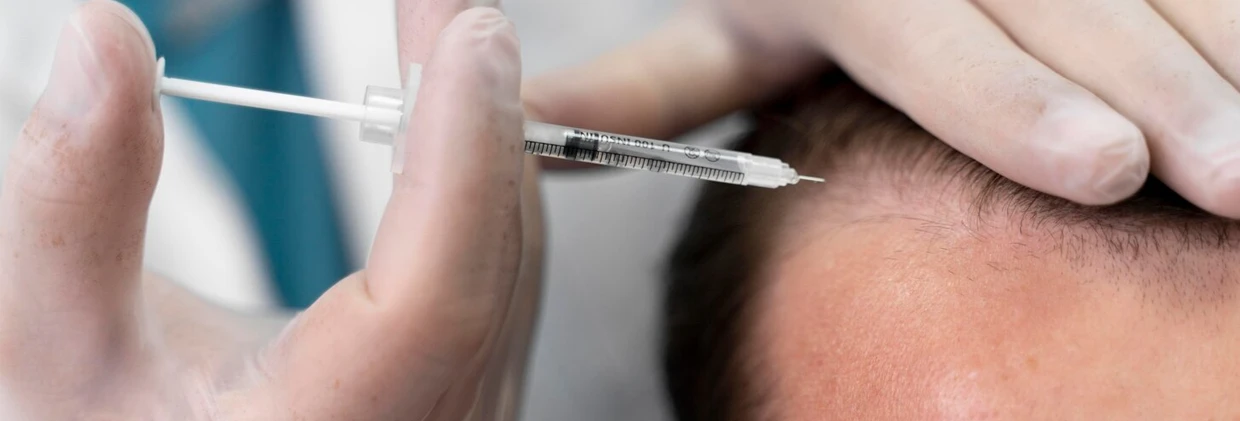
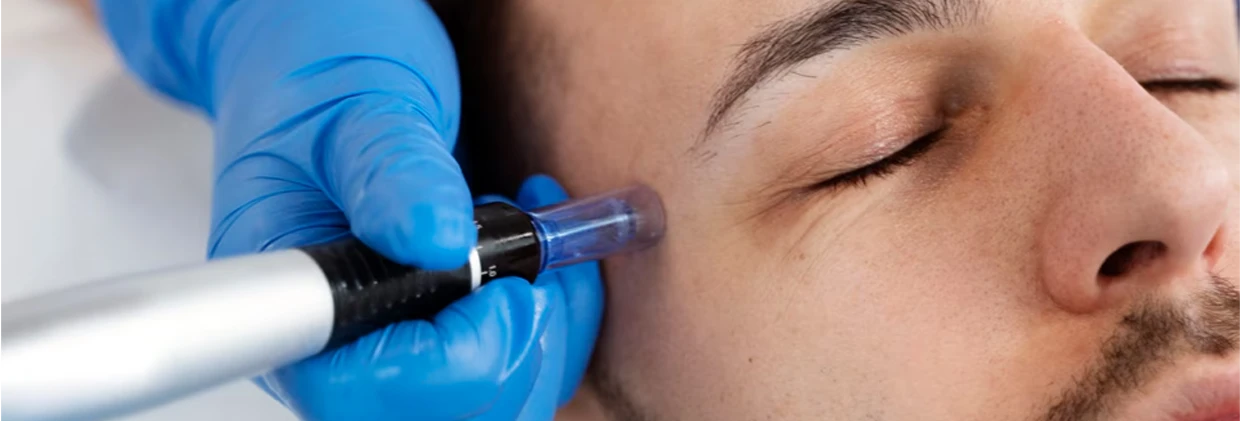
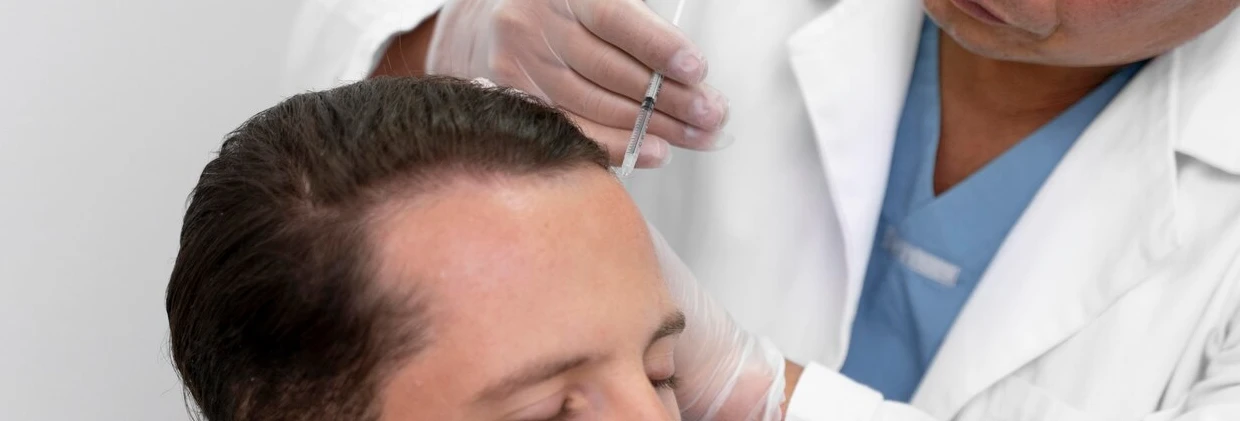
Hair Mesotherapy is fundamentally a nutritive treatment. It involves injecting a special “cocktail” of vitamins, minerals, amino acids, antioxidants, and sometimes circulation-boosting agents—essential for healthy hair growth but perhaps not sufficiently delivered via blood circulation—directly into the middle layer of the scalp (mesoderm) using micro-needles. In essence, it provides a “nutrient cocktail” prepared externally that meets the basic needs of the follicle.
Keyword: Nourishment
PRP Therapy: The Body’s Own Repair Power
PRP Therapy, conversely, is a regenerative (restorative) treatment using plasma enriched with platelets obtained from the patient’s own blood. Platelets, when activated in case of injury or damage, release hundreds of different growth factors. When injected into the hair follicles, these growth factors stimulate stem cells, trigger the formation of new blood vessels (angiogenesis), and initiate tissue repair. In other words, it sends a “biological signal” that activates the body’s own healing mechanism.
Keyword: Regeneration
Part 2: In Which Situation is Which More Preferable?
This difference in their mechanisms of action allows the two treatments to respond better to different causes and needs of hair loss:
Situations Where Mesotherapy Has an Advantage:
- Shedding Due to Nutritional Deficiencies: If blood tests detect specific deficiencies like iron, zinc, or biotin, a targeted mesotherapy cocktail that directly addresses these deficiencies is the fastest and most logical solution.
- Generalized Loss of Quality and Dullness: If hair looks generally lifeless, dry, and dull even without significant shedding, mesotherapy is effective in improving hair strand quality and shine by providing direct nutrients.
- Stress or Seasonal Shedding (Telogen Effluvium): In these types of temporary shedding, hair follicles abruptly enter the resting phase. Mesotherapy is very effective in supporting their return to the growth phase by giving the follicles a quick “energy boost.”
Situations Where PRP Has an Advantage:
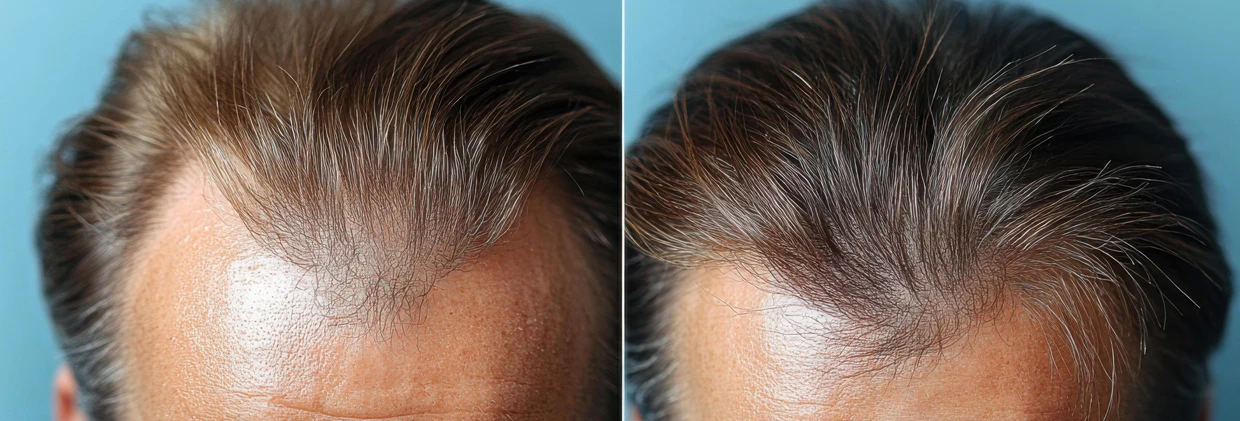
- Androgenetic Alopecia (Genetic Hair Loss): In this type of shedding, hair follicles shrink (miniaturize) under the influence of the DHT hormone. The potent growth factors in PRP show a stronger biological effect than mesotherapy in reversing this miniaturization process and re-thickening the follicles.
- Poor Blood Circulation: In cases where blood flow to the scalp is weak, PRP’s ability to trigger new blood vessel formation (angiogenesis) provides a significant advantage.
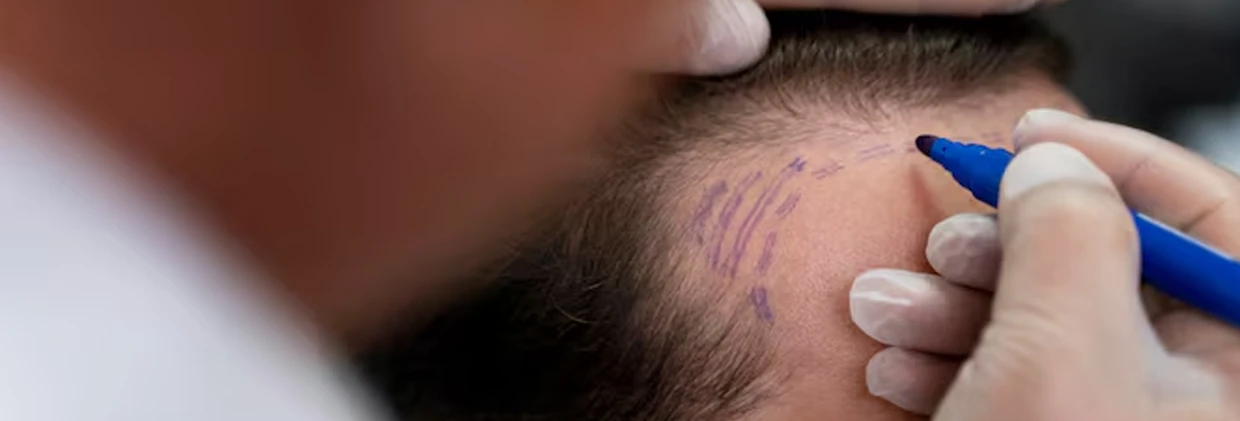
- Situations Requiring Tissue Repair: PRP’s regenerative capacity comes to the forefront in repair-focused needs, such as accelerating healing after hair transplantation or revitalizing scar tissue (SCAR transplantation).
Part 3: The Most Powerful Approach – Combination Therapy and Synergy
In modern hair loss treatment, the most accurate answer to the question “Mesotherapy or PRP?” is often “Both.” When these two treatments are combined, they offer a synergistic approach that enhances each other’s effects. This combination delivers both the necessary building blocks (with Mesotherapy) and the repair signal required to utilize those building blocks (with PRP) to the hair follicle simultaneously.
Protocol Example: An expert physician usually plans an initial protocol of 4-8 sessions based on the patient’s condition. In this protocol, sessions might be applied alternately (e.g., one session of PRP, two weeks later one session of Mesotherapy) to maximize the benefits of both methods.
Scientific studies also examine the comparative effectiveness of these two methods. Research published in the National Library of Medicine (NCBI) indicates that both PRP and mesotherapy are effective in treating androgenetic alopecia, although their mechanisms of action differ.
The Decision Process: Why is Expert Diagnosis Mandatory?
The final answer to “PRP or Mesotherapy?” can only be given after a detailed evaluation by a specialist physician. This evaluation should include:
- Detailed Anamnesis: Gathering information about the onset and progression of your hair loss, family history, and general health status.
- Blood Tests: To reveal potential underlying causes (hormonal, nutritional).
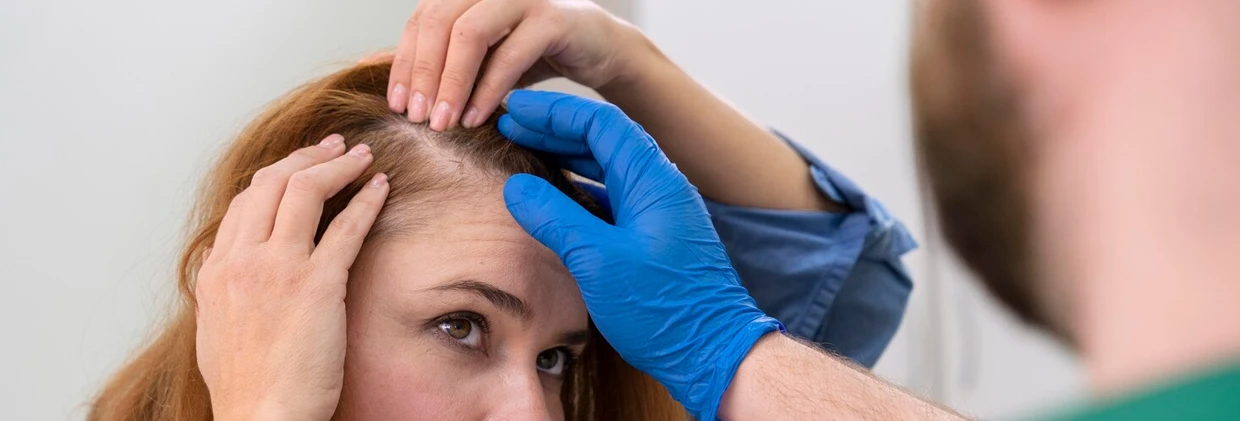
- Trichoscopy (Hair Analysis): To examine the condition of the hair follicles, the rate of miniaturization, and the health of the scalp at a microscopic level.
Based on this data, Mesotherapy might be prioritized if the cause of your hair loss is nutritional, while PRP might be more prominent if it is genetic or repair-focused. In many cases, a protocol combining both is created for the best result. Remember, in some situations, more advanced regenerative methods like Stem Cell/Exosome therapies might also be considered instead of or alongside these treatments.
Scientific literature supports the effectiveness of both methods. Resources like the National Library of Medicine (NCBI) host numerous studies on the efficacy of both PRP and Mesotherapy in various types of hair loss.
In conclusion, PRP and Mesotherapy are valuable weapons in our arsenal against hair loss. Which one will be “more effective” for you depends on the cause of the battle and the condition of the battlefield. To determine the best strategy, you can get a personal evaluation by contacting the specialists at Görkem Kazan Hair Transplant.