

Is an Unshaven Application Possible with the FUE Technique?

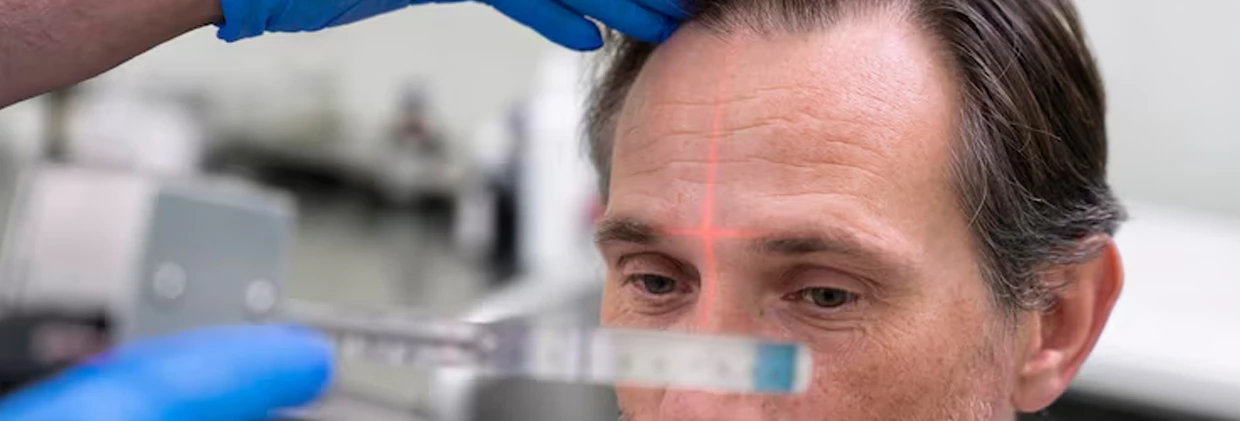
“Invisible Hair Transplant”: Is an Unshaven Application Possible with the FUE Technique?
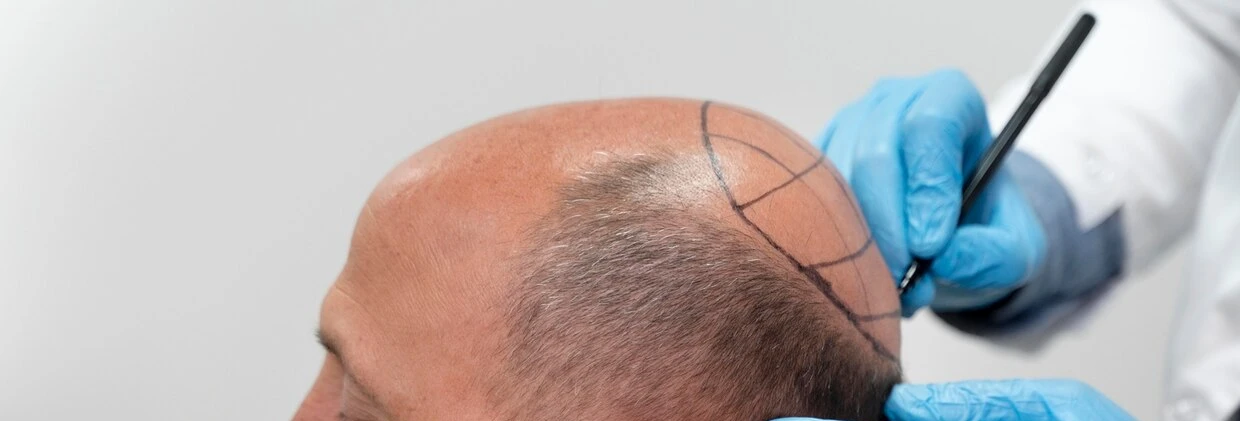
Invisible Hair Transplant: Is an Unshaven Application Possible with the FUE Technique? – A hair transplant is a decision that affects patients’ lives not only through its aesthetic results but also through its post-operative process. Specifically, the complete shaving of the hair after the operation can deter many people from this permanent solution due to concerns about taking a break from their social and professional lives. The “Unshaven Hair Transplant,” also known as the “Invisible Hair Transplant,” developed in response to this concern, has become the most in-demand application in recent years. So, is it really possible to perform this “invisible” application with the FUE (Follicular Unit Extraction) technique, known as the cornerstone of hair transplantation? The answer is yes, but it involves significant limitations and technical challenges. As the Görkem Kazan Hair Transplant clinic, we examine the limits, challenges, and suitable cases for an unshaven application with the FUE technique from a scientific perspective.
The main purpose of an unshaven hair transplant is to prevent the operation from being externally noticeable by preserving the patient’s existing hair length and style. This convenient option, although generally associated with the DHI technique, can also be adapted for the FUE technique under certain conditions. However, this adaptation requires compromising on the efficiency and scope of a standard FUE operation.
The Meaning of “Unshaven FUE”: Different Application Methods
When we talk about unshaven FUE, we are actually referring to different levels of unshaven approaches, not just a single method:
- Partially Shaven Donor Area (The Most Common Method): This is the most realistic and frequently applied form of unshaven FUE. A small, narrow “window” area in the donor region (back of the head), which can be easily covered by the long hair on top, is shaved. The grafts are harvested from this window. The recipient area is then either fully shaved or the grafts are implanted among the existing hair. This method largely preserves the secrecy of the operation.
- Unshaven Recipient Area: In this method, the donor area is fully shaved, but the hair in the recipient area to be transplanted is left untouched. The grafts are implanted between the long hairs. However, this poses serious challenges for the FUE technique.
- Completely Unshaven: No shaving is done in either the donor or the recipient area. This is the most difficult, riskiest, and most limited method to apply with the FUE technique.
The Technical Challenges of Unshaven Application with the FUE Technique
The basic mechanism of the FUE technique is designed to work on short hair. Therefore, serious challenges arise when it is applied among long hairs:
1. Difficulty of Graft Harvesting in the Donor Area:
In FUE, grafts are harvested with micro-motor punches that have a rotating tip. This motor has a very high risk of getting tangled in long hair and damaging both the target follicle and the surrounding healthy follicles (transection) while cutting the tissue around the hair root. Indeed, studies published in the National Library of Medicine (NCBI) also state that unshaven FUE applications require experience and that transection rates are a factor to consider. Therefore, it is extremely difficult for the surgeon to maneuver among long hairs, which significantly prolongs the operation time. This risk is overcome with the partially shaven “window” method.
2. Difficulty of Channel Opening and Implantation in the Recipient Area:
The second stage of the FUE technique is the opening of channels in the recipient area. In an unshaven recipient area, this process brings the following challenges:
- Risk to Existing Follicles: Opening channels with incisions among long hairs without being able to see the exact location and angle of the existing healthy hair roots increases the risk of damaging them.
- Limited Field of Vision: Long hairs obstruct the surgeon’s field of vision, making it difficult to open the channels at the correct angle and direction. This can also jeopardize the naturalness of the result.
- Difficulty of Graft Placement: Finding the tiny channels opened among long hairs and placing the delicate grafts into these channels is a very slow process and increases the risk of the graft being damaged during implantation.
For these reasons, the technique that provides the highest success and safety in unshaven transplantation is accepted to be DHI (Direct Hair Implantation). The DHI’s Choi pen eliminates these risks by performing the channel opening and implantation at the same time.
Who Can Consider Unshaven FUE?
Despite its technical difficulties and limitations, “partially shaven” FUE can be an option for certain patient profiles:
- Those Needing a Low Number of Grafts: Patients who want densification only in a small area (e.g., a slight recession in the temples or a small sparse area in the crown) and need under 1500 grafts.
- Patients with Very Long Hair: Patients who have hair long enough to completely cover the shaved “window” in the donor area.
- Female Patients: For female patients who generally need fewer grafts and do not want to cut their hair, partially shaven FUE can be considered, but DHI is a more comfortable option.
- Scar Camouflage: The small number of grafts required to cover a small scar (SCAR transplantation) can be harvested with this method.
Conclusion: FUE or DHI? The Right Choice of Technique
In the quest for an “invisible hair transplant,” although the unshaven application of the FUE technique is technically possible, it practically contains serious limitations and risks. This method should only be applied in very special and limited cases by an experienced surgeon. For patients who want to both maintain discretion and achieve the highest graft survival rate and the most natural result, the safest and most effective method is the Unshaven DHI technique.
Organizations like the International Society of Hair Restoration Surgery (ISHRS) emphasize the importance of choosing the most appropriate surgical technique according to each patient’s hair loss type, needs, and expectations.
The most accurate step to determine whether the right method for you is FUE, DHI, or an unshaven approach is to have a hair analysis consultation with our specialists. As Görkem Kazan Hair Transplant, we are here to offer you the most suitable, safest, and most aesthetic solution. For detailed information, you can contact us.