

How Does the DHI Technique Maximize Hair Density?

How Does the DHI Technique Maximize Hair Density?
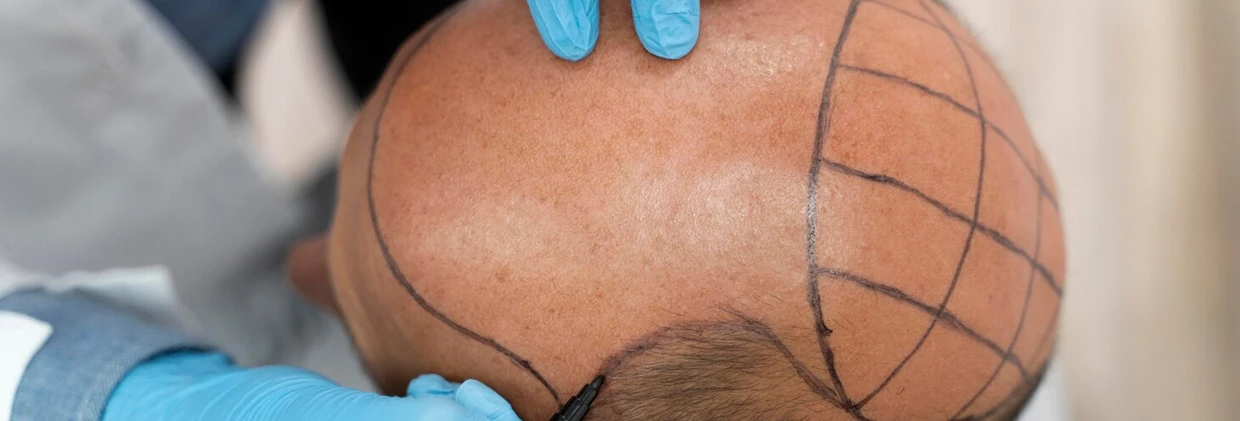
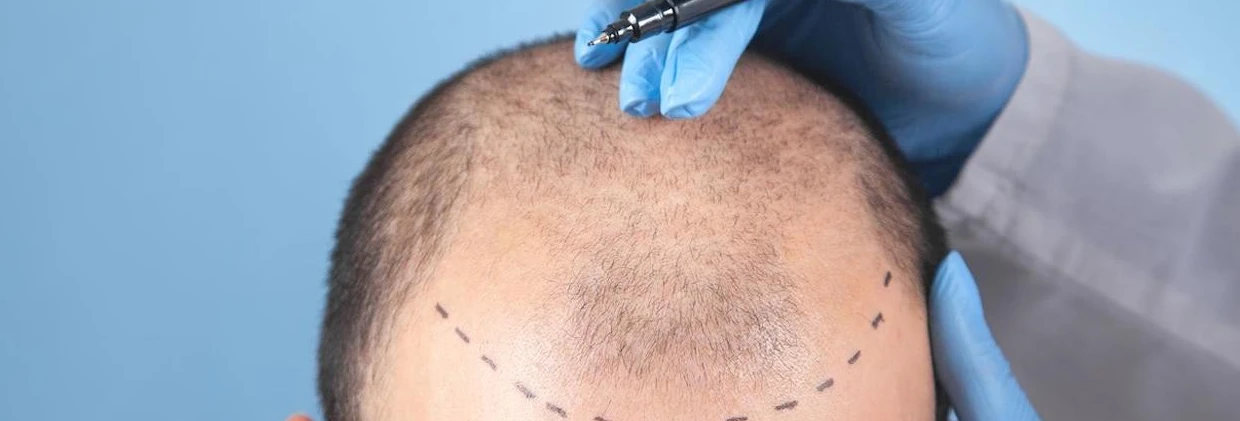
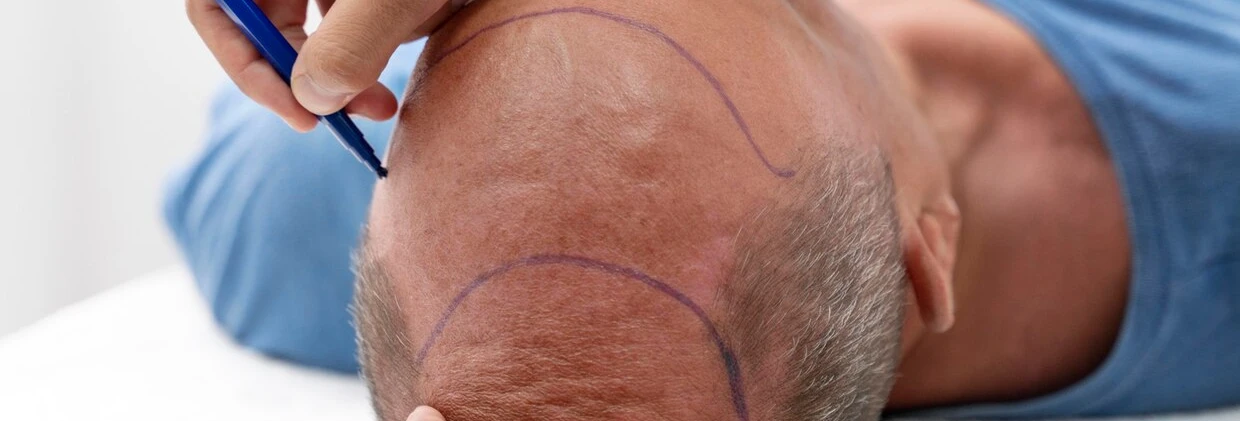
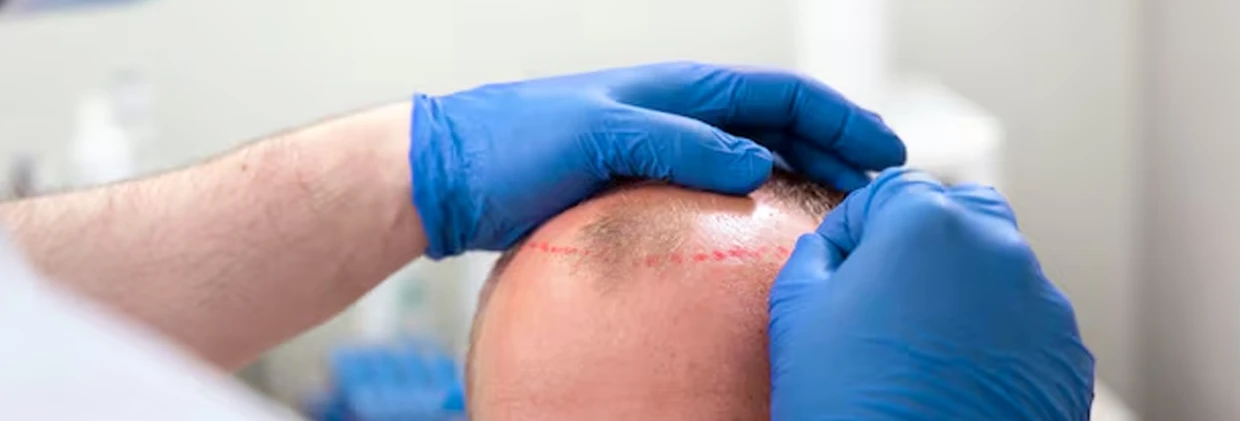
How Does the DHI Technique Maximize Hair Density? – In hair transplant operations, the most fundamental expectation of patients, aside from an aesthetic hairline, is natural and high hair density. Hair density is the most critical factor that prevents the scalp from being visible and gives the hair full volume. Among modern hair restoration techniques, Direct Hair Implantation (DHI) stands out as the most advanced and precise method developed specifically to achieve this “maximum density” goal. So, how does the DHI technique accomplish this? What is its difference from ordinary FUE methods? As the Görkem Kazan Hair Transplant clinic, we explain step-by-step the scientific mechanism and technological superiority behind how the DHI technique maximizes hair density.
DHI’s power to create density comes from a special instrument at the heart of the operation: the Choi Implanter Pen. Unlike traditional methods, this pen completely changes the hair follicle implantation process and offers the surgeon unique control.
What is the Density Limit in Traditional Methods?
In the standard FUE (Follicular Unit Extraction) technique, the process consists of two main stages: First, thousands of small incisions (channels) are opened in the area to be transplanted. Then, the harvested hair follicles (grafts) are placed into these ready-made channels with forceps (medical tweezers). Density is limited in this method because:
- Each channel opened creates a certain level of trauma to the surrounding tissue and blood vessels.
- A specific “safe distance” must be left between two channels to prevent disruption of blood circulation and tissue necrosis.
- This safe distance rule physically limits the number of grafts that can be placed per square centimeter (cm²).
How Does the DHI Technique Perform “Dense-Packing”?
The DHI technique overcomes this traditional limitation by combining the “channel opening” and “implantation” processes into a single movement. Here is the mechanism of DHI’s density revolution:
1. Eliminating the Need for Pre-Made Channels
In the DHI technique, each harvested hair follicle is placed into the hollow needle of the special Choi pen. The moment the surgeon inserts this pen directly into the skin, the tip of the pen both opens the channel and releases the graft under the skin by pressing the plunger. Since there are no thousands of pre-made incisions, tissue trauma and bleeding are reduced to a minimum.
2. Minimal Damage = Maximum Density
The minimal trauma created by DHI is its greatest density secret. Because the tissue is less damaged and blood circulation is better preserved, the scalp remains capable of nourishing a larger number of grafts. The surgeon can place the grafts much closer to each other without the risk of disrupting the tissue’s blood supply. This makes it possible to reach much higher graft counts per cm² and achieve maximum density (dense-packing).
3. Safe Implantation Between Existing Hairs
Another superiority of DHI in creating density is its success in areas that are thinning but not completely bald. The sharp and precise tip of the Choi pen allows the surgeon to implant grafts securely between existing healthy hair follicles without damaging them (no risk of transection). In traditional FUE, it is difficult to open channels between existing hairs as it carries the risk of damaging these follicles. This makes DHI the ideal technique for hair densification operations.
4. Millimetric Angle and Direction Control
Density is not just about numbers; it is also an illusion of naturalness and coverage. The DHI pen gives the surgeon millimetric control over the exit angle and direction of each graft. When hairs are implanted at the correct angles (supporting each other and in a natural flow), a more covering and denser appearance is achieved even with fewer grafts. This artistic control is the key to making the density look natural.
Who is DHI Densification Ideal For?
The DHI technique provides maximum density, especially for the following patient groups:
- Patients whose hair is not completely gone but has lost density (hair densification).
- Patients experiencing female pattern hair loss who want to fill in the areas between their existing hair with an unshaven transplant.
- Those seeking high density and a natural look in the frontal hairline and temples.
- Those who want to achieve a more covering result with fewer grafts.
Scientific studies are analyzing the advantages and application areas of DHI and FUE techniques. Studies published in the National Library of Medicine (NCBI) indicate that DHI (use of an Implanter Pen) specifically reduces graft manipulation and offers precision in
certain areas.
In conclusion, the DHI technique maximizes hair density thanks to the biological advantages offered by the Choi pen. Less trauma, better-preserved blood circulation, and the ability to implant between existing hairs make DHI the most powerful and effective method to “put an end to sparse hair.” The International Society of Hair Restoration Surgery (ISHRS) also emphasizes that such advanced techniques should only be performed by surgeons who are specialized in this field and possess high manual dexterity.
As Görkem Kazan Hair Transplant, we offer the artistic and technical precision of the DHI technique to maximize your hair density. You can have a hair analysis consultation with our specialists to create the most suitable density plan for you. You can contact us for detailed information.