

Am I Suitable for a Hair Transplant?

Am I Suitable for a Hair Transplant? A Quick Screening Checklist
Hair transplantation promises one of the most permanent and satisfying results offered by modern aesthetic surgery. However, this is not a “one-size-fits-all” solution that is suitable for everyone. The success of the operation depends not only on the clinic’s expertise but largely on whether the patient is the “right candidate” for the operation. A hair transplant is a serious medical investment that uses your precious, non-renewable donor resources. Before making this investment, you must honestly answer the question, “Am I suitable for a hair transplant?” As the Görkem Kazan Hair Transplant clinic, we have prepared this quick screening checklist to help you evaluate your own situation before consulting a specialist.
This list does not replace a specialist’s examination, but it will help you set realistic expectations and approach the process more consciously. If one or more items raise a question mark for you, it does not mean that a hair transplant is impossible for you; it simply means your situation requires a special evaluation.
Quick Screening Checklist: Assess Your Hair Transplant Suitability
Hair transplant suitability is built on three main pillars: the quality of your donor area, the cause of your hair loss, and your general health status.
1. Donor Area (Nape) Sufficiency
A hair transplant does not magically create new hair; it takes healthy hair follicles from one part of your body (the donor) and moves them to the area in need (the recipient). Therefore, your donor area is your “bank.”
- Check Question: Is the hair on the back of your head (the area between the ears) dense enough? Is there significant thinning in this area?
- Ideal Candidate: People who have a high number of grafts per square centimeter in the nape area, with thick and healthy hair strands.
- Risky Candidate: People whose donor area is also weak, thinned, or affected by “diffuse” (widespread) shedding. In these cases, the number of grafts that can be harvested may be insufficient, or the donor area itself could be damaged (risk of “overharvesting”).
2. The Type and Stability of Your Hair Loss (Age Factor)
The success of the operation depends on the cause of your shedding and what stage it is in.
- Check Question: Is your hair loss caused by Androgenetic Alopecia (male/female pattern genetic baldness)? Or are you experiencing an autoimmune condition like Alopecia Areata?
- Ideal Candidate: Patients whose cause of hair loss is genetic and whose shedding has largely stabilized (usually after ages 25-30).
- Risky Candidate: Those with active autoimmune diseases such as Alopecia Areata or Scarring Alopecia are not suitable candidates. Also, young patients in their early 20s whose hair loss is progressing very aggressively should not rush into the operation. An early transplant can lead to unnatural “islands of hair” as the surrounding native hair continues to shed in the future.
3. Your General Health Status
A hair transplant is a surgical procedure performed under local anesthesia. Your body needs to respond healthily to this surgery and the healing process.
- Check Question: Do you have an uncontrolled chronic illness? Are you using blood-thinning medication?
- Ideal Candidate: People who are in good general health and have no condition that would impede the healing process.
- Risky Candidate: Patients with uncontrolled diabetes, high blood pressure, heart conditions, or blood clotting disorders may carry a high risk for the operation. It is essential for these patients to get approval from their own doctors and stabilize their condition before the operation.
4. Scalp Health
The “soil” where the grafts will be planted must be healthy.
- Check Question: Do you have an active infection, severe psoriasis, eczema (seborrheic dermatitis), or fungus on your scalp?
- Ideal Candidate: Those with a healthy, flexible, and clean scalp.
- Risky Candidate: Those with active infections or severe dermatological problems. These conditions can prevent the transplanted grafts from taking hold and increase the risk of infection. The treatment should be planned after these skin issues are brought under control.
5. Realistic Expectations
This is the most important psychological part of suitability.
- Check Question: Are you expecting to get your 18-year-old hairline back, or are you aiming for a natural and improved look that is appropriate for your age?
- Ideal Candidate: A patient who accepts that a hair transplant is an “improvement” and “densification,” that the result is limited by their donor capacity, and that the full result will take 12-18 months to see.
- Risky Candidate: Patients who expect very high density despite a weak donor area or who think the results will appear in 1 month. Unrealistic expectations lead to perceiving even a successful operation as a “failure.”
What If I Don’t Pass the Checklist?
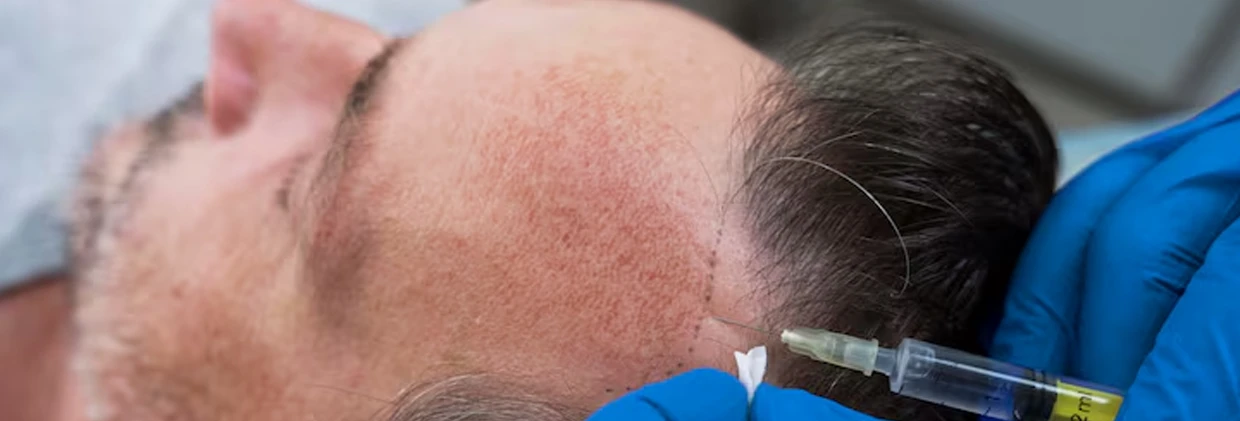
If some items on this checklist raised question marks for you, it doesn’t mean you can’t do anything about your hair loss. For patients who are not suitable for a surgical hair transplant but whose hair is weakened and thinned, non-surgical alternative treatments are available. Regenerative methods like PRP, Mesotherapy, or Stem Cell/Exosome therapies can revitalize your hair follicles, slow down shedding, and improve your existing hair quality. The American Academy of Dermatology (AAD) also states that such non-surgical methods can be effective, especially in early-stage hair loss.
Conclusion: The Definitive Answer is in the Expert Analysis
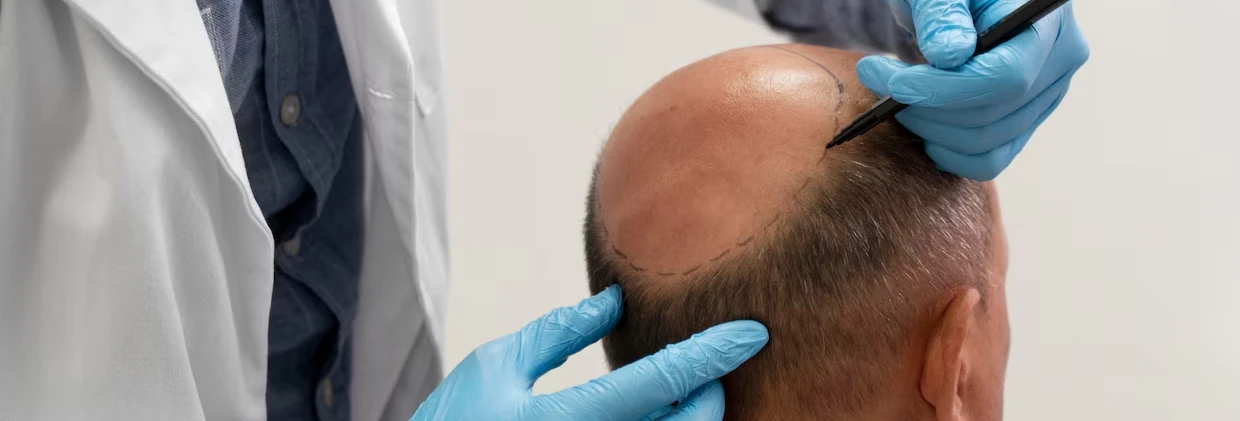
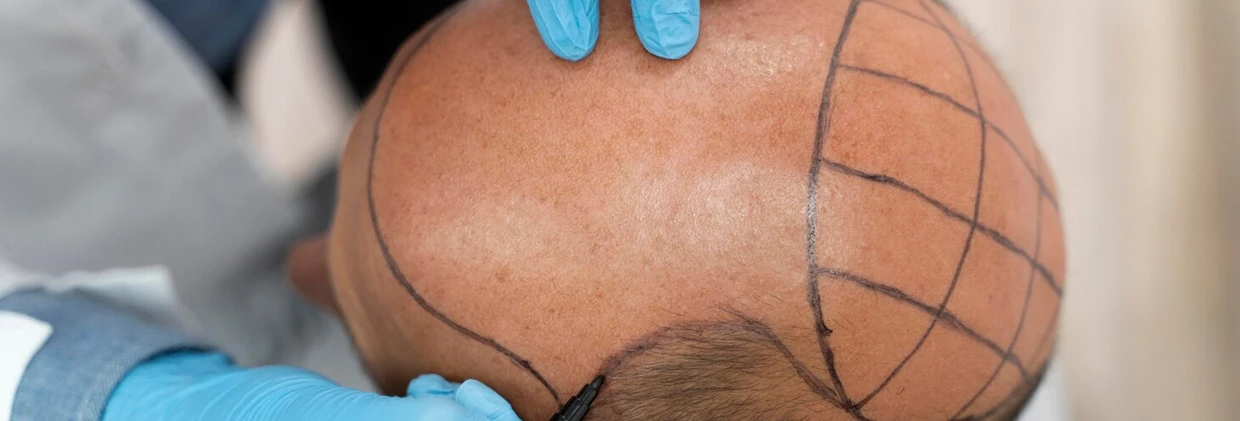
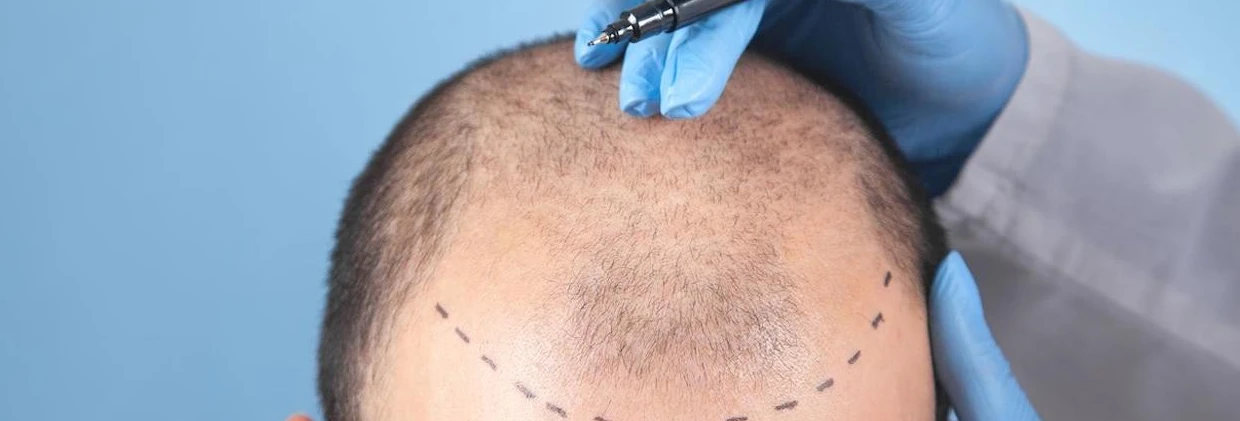
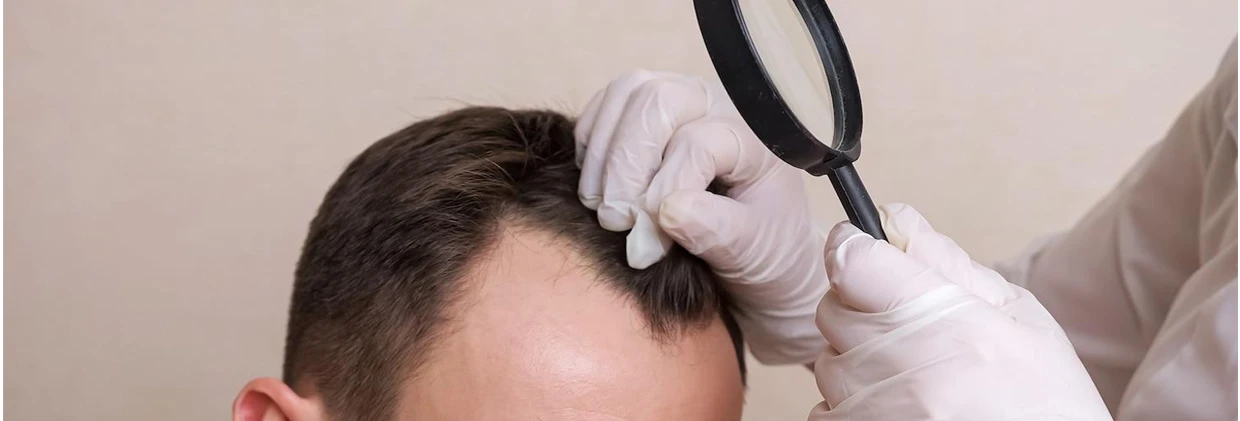
This quick scan list is to give you a general idea. The definitive and scientific answer to the question “Am I suitable for a hair transplant?” can only be given after a detailed hair analysis (trichoscopy) and medical evaluation by an expert surgeon. During this analysis, your donor capacity, hair shaft thickness, and shedding pattern will be clearly determined.
The International Society of Hair Restoration Surgery (ISHRS) recommends that patients undergo a comprehensive evaluation with a competent physician in this field before deciding on an operation. As Görkem Kazan Hair Transplant, we are here to draw the most honest and accurate roadmap for you. You can contact us to find out if you are a suitable candidate and to discuss your personalized treatment options.