

PRP-Supported Hair Transplantation: Evidence, Biological Mechanism, and Expected Benefits


PRP-Supported Hair Transplantation: Evidence, Biological Mechanism, and Expected Benefits
While hair transplant surgery offers a permanent solution for individuals experiencing baldness, the success of the operation does not end simply with the implantation of the follicles. The real process begins with those follicles holding onto their new location and being nourished. At this point, one of the most powerful weapons of modern regenerative medicine, PRP (Platelet-Rich Plasma), comes into play. Although patients often perceive this as a “luxury add-on service,” PRP therapy is actually a critical biological support to heal surgical trauma and maximize graft survival rate.
As the Görkem Kazan Hair Transplant clinic, in this article, we examine the scientific foundations of PRP-supported hair transplantation, the effects of growth factors at the cellular level, and why every hair transplant should be supported by PRP in 2025 standards, using purely evidence-based data far from marketing language.
In this guide, you will find detailed information on why this “yellow elixir” obtained from your own blood is a lifesaver for your hair follicles and how it can change the outcome of the operation.
1. What is PRP? The Healing Power of Blood
PRP stands for “Platelet-Rich Plasma.” Platelets are cells that clot blood and initiate the healing process when there is an injury in our body. However, their task is not just to “patch up”; they contain Growth Factors that are vital for tissue repair.
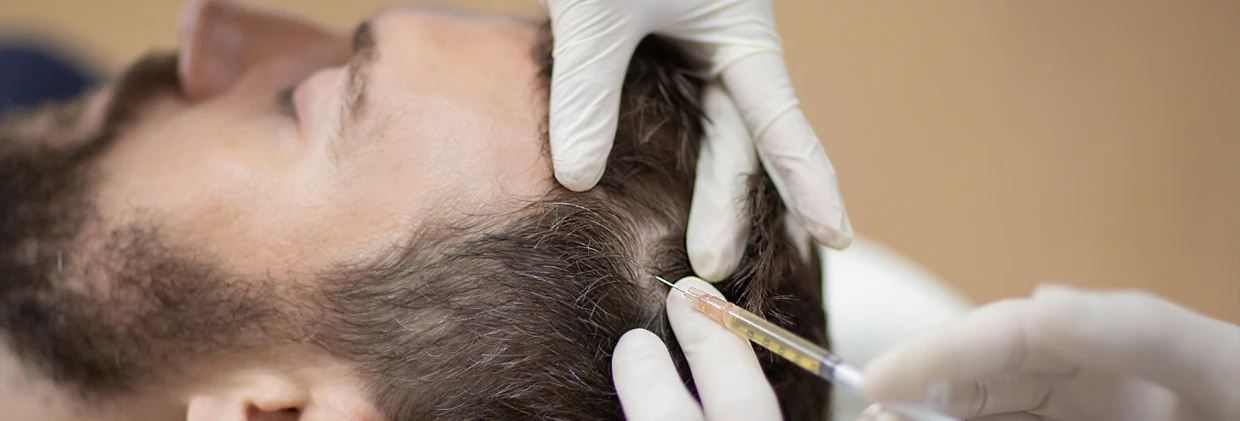
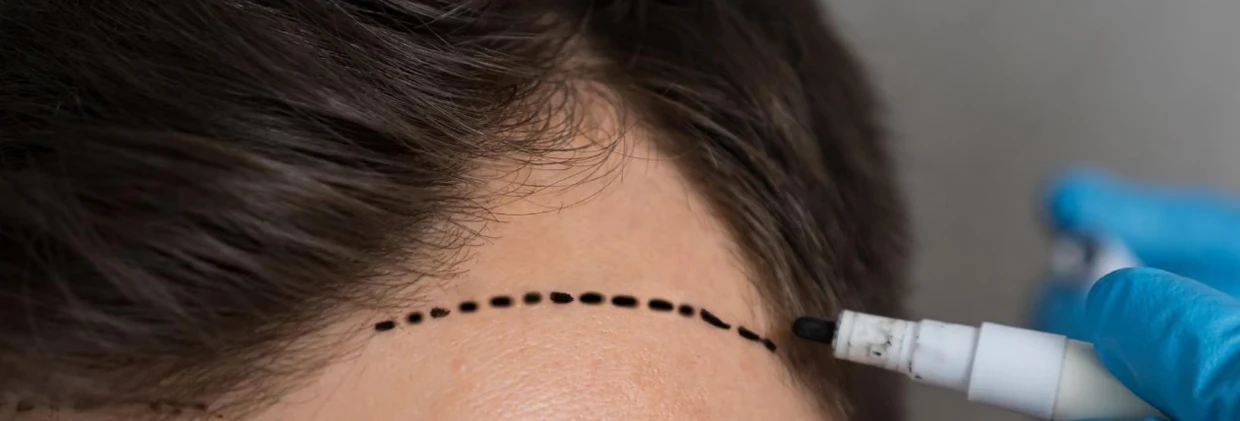
In the PRP process, blood taken from the patient is passed through a special centrifugation process. This process separates red blood cells (erythrocytes), ensuring a plasma is obtained where the platelet ratio is 3 to 5 times more concentrated than in normal blood. This concentrated fluid obtained is injected into both the donor area and the transplant area during hair transplantation.
2. Biological Mechanism: What Do Growth Factors Do?
The success of PRP in hair transplantation relies on the effect of specific proteins it contains at the cellular level. Studies in the National Library of Medicine (NCBI) archives confirm that PRP contains the following key factors and their effects on hair follicles:
- PDGF (Platelet-Derived Growth Factor): Promotes the growth of blood vessels and accelerates cell division.
- VEGF (Vascular Endothelial Growth Factor): One of the most critical factors. It ensures new vessel formation (angiogenesis). Blood circulation is essential for the nourishment of the hair follicle; VEGF accelerates the formation of a capillary network around the newly transplanted root.
- EGF (Epidermal Growth Factor): Ensures the healing of the skin surface and wounds, supports tissue formation.
- TGF-Beta (Transforming Growth Factor): Regulates the formation of the intercellular matrix and controls the growth cycle of the hair follicle.
3. 4 Critical Benefits of Using PRP in Hair Transplantation
Combining PRP with hair transplantation provides tangible benefits at every stage of the operation. Here are the scientifically proven effects:
A. Increasing Graft Survival Rate (Lifeline Effect)
When hair follicles are taken from the donor area (nape), they are cut off from the body’s blood circulation. The time until implantation and the first 3-4 days until new vascular connections are established after implantation is a “struggle for survival” for the roots. Roots remain without oxygen (ischemia) during this time. PRP injection into the transplant area ensures the rapid formation of new vessels around the roots thanks to the VEGF it contains. This means the roots start feeding faster and the risk of death (necrosis) decreases.
B. Accelerating Healing Time
Hair transplantation is a micro-surgical procedure, and thousands of micro-channels are opened in the scalp. PRP increases the closing speed of these micro-wounds thanks to the EGF it contains.
Result: Scabbing time is shortened, redness passes more quickly, and the patient returns to social life faster.
C. Mitigating Shock Loss
“Shock loss,” seen in the first month after the operation, is the phase that demoralizes patients the most. PRP therapy can reduce the severity of this shedding and shorten the time for new hair to emerge (lag phase) after shock loss by encouraging hair follicles to remain in the growth phase (Anagen).
D. Donor Area Healing
Although often neglected, the nape area where the roots are taken also undergoes trauma. PRP application accelerates tissue repair in the donor area, minimizing the risk of scarring and ensuring this area regains its former appearance in a short time.
4. What Does the Scientific Evidence Say?
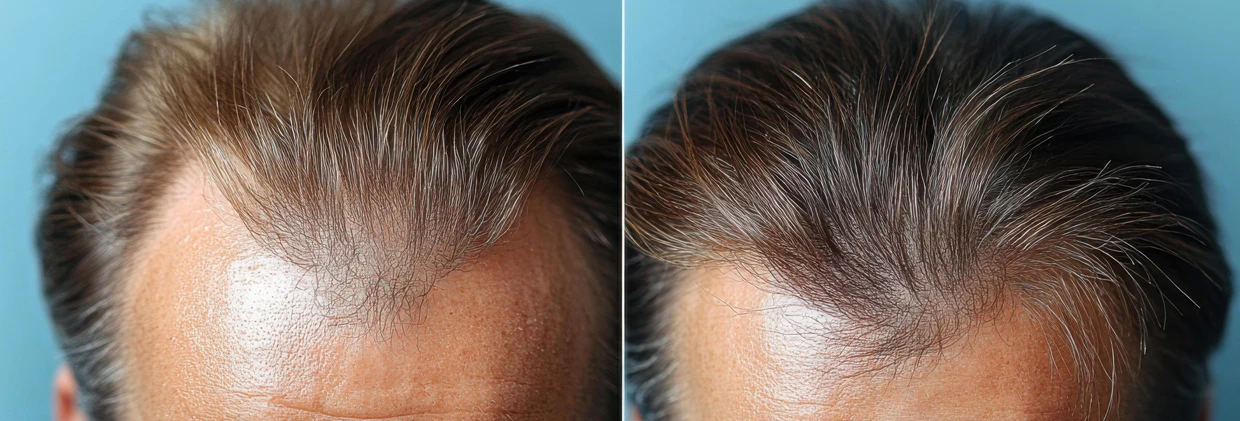
PRP is not just a theory, it is a proven treatment protocol. In randomized controlled trials conducted in Italy and the USA, the following results were observed in patients who received PRP during hair transplantation:
- 15-30% increase in hair density.
- Significant increase in hair shaft thickness (caliber).
- Reduction in post-operative edema and pain.
The International Society of Hair Restoration Surgery (ISHRS) lists PRP as an effective “non-surgical treatment option” in the treatment of hair loss and as an adjunct to hair surgery.
5. Application Protocol: How Is It Done?
The PRP-supported hair transplant process in our clinic follows these steps:
- Blood Draw: Approximately 10-20 cc (one tube) of blood is taken from the patient during operation preparation.
- Centrifugation: The taken blood is spun in a centrifuge device at a specific speed and time using special kits. This process precipitates red blood cells to the bottom while leaving platelets suspended in the plasma.
- Activation: The obtained plasma is processed with activators such as calcium chloride to ensure the release of growth factors (this happens automatically in some kits).
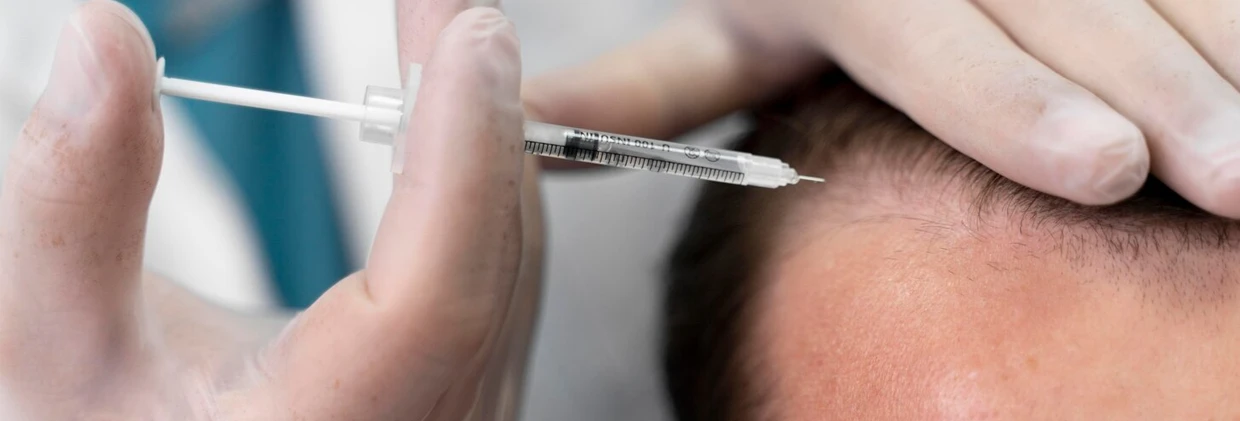
- Injection: The prepared PRP is injected into the scalp immediately before opening channels or after implantation is finished during the operation. Additionally, grafts are kept in a solution with PRP until the moment of implantation to increase their viability.
6. Who Is It Suitable For? Are There Side Effects?
Since PRP is obtained from the patient’s own blood (autologous), it carries no risk of allergy or tissue rejection. In this respect, it is extremely safe. It can be applied to almost everyone except diabetic patients, those using blood thinners, or those with certain blood diseases. Since the oxygen-carrying capacity of the blood is low in patients who smoke, the effect of PRP is much more critical for healing support, especially in this group.
Conclusion: Not a Luxury, A Medical Necessity
Looking at hair transplant standards in 2025, PRP is no longer an “optional” choice, but the key to a successful result. We apply the PRP-supported transplant protocol for every patient who does not want to leave the success of the operation to chance, wants to accelerate the healing process, and ensure that every transplanted root holds on to life.
As Görkem Kazan Hair Transplant, you can contact us to get detailed information about the PRP treatment we offer as standard in our hair transplant packages and our operation process, and to have a free hair analysis. Your hair deserves the best care.