

5 Most Frequently Asked Beard Transplant Questions by Men and the Answers

5 Most Frequently Asked Beard Transplant Questions by Men and the Answers
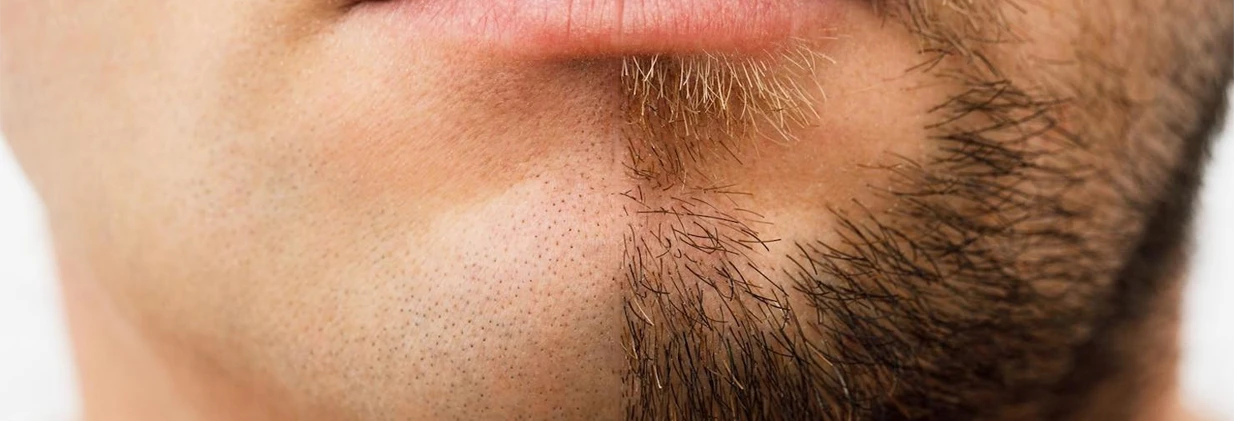
5 Most Frequently Asked Beard Transplant Questions by Men and the Answers – The beard has historically been a symbol of masculinity and confidence. However, for many men experiencing patchiness or thinning in the beard area due to genetic factors, hormonal imbalances, or scars, beard transplantation offers a permanent solution to this aesthetic need. Beard transplantation is an art that requires specialized expertise and has the power to redefine facial contours. Below, you will find the fundamental questions patients most frequently ask when considering this process, along with the detailed, scientific answers provided by the Görkem Kazan Hair Transplant clinic. Our goal is to help you make an informed decision that will lead to the best result.
The success of a beard transplant operation depends not only on the survival rate of the transplanted grafts but also on how naturally the post-operative appearance harmonizes with the face, neck line, and cheek contours. Therefore, a correct understanding of frequently asked topics such as technique, permanence, and recovery time directly affects patient satisfaction.
Question 1: Are Transplanted Beards Permanent, and How Natural Do They Look?
This is the question patients are most curious about and naturally expect the most reassurance on.
Answer: Yes, transplanted beards are permanent for life, and they look completely natural when performed by an expert surgeon.
The secret to this permanence lies in the “Donor Dominance” principle, just as in hair transplantation. The hair follicles used for the beard transplant are taken from areas that are genetically resistant to the Dihydrotestosterone (DHT) hormone, which causes male pattern baldness, such as the hair on the back of the head. Even when transferred to the face, these follicles retain their genetic resistance and will not shed. After being transplanted, the hair follicles adapt to the face’s vascular structure and continue to grow as beard hair permanently.
The Secret to Naturalness: Naturalness, on the other hand, depends entirely on the surgeon’s artistic skill and precision. There are three critical factors that ensure success in the beard area:
- Single-Graft Selection: Since beard hairs typically grow one by one, the surgeon must select and harvest single-hair follicles from the donor area.
- Correct Angle: Beard hairs on the face emerge at angles of 10 to 15 degrees, nearly parallel to the skin. Implanting the grafts at this natural angle and direction prevents the result from looking artificial.
- Density Planning: The density along the cheek and chin lines must be adjusted carefully to ensure the natural appearance is not compromised. Beard transplantation should be performed with these sensitive details in mind.
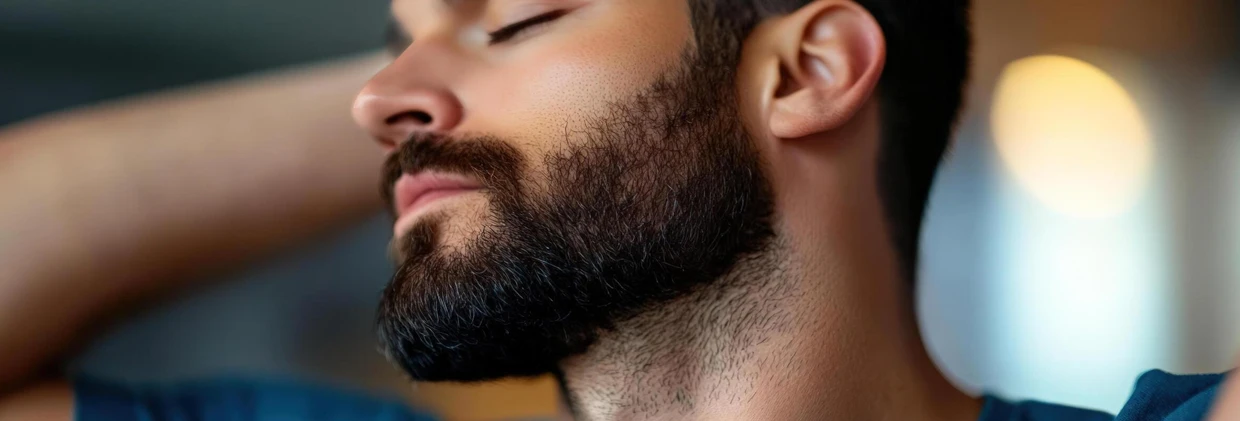
A beard transplant achieved with correct planning is virtually indistinguishable from your natural beard.
Question 2: Which Techniques Are Used for Beard Transplantation? FUE or DHI?
Which transplantation technique is more suitable for beard transplantation is one of the most confusing topics for patients.
Answer: Both modern techniques (FUE and DHI) can be used, but DHI generally offers higher precision and density advantages for beard transplantation.
- FUE Technique: FUE (Follicular Unit Extraction), commonly used in hair transplantation, can also be applied to beard transplants. Grafts are extracted, channels are opened, and then the grafts are placed. It is effective for covering large and sparse areas.
- DHI Technique: DHI (Direct Hair Implantation) is performed using specialized Choi Implanter Pens. This pen simultaneously opens the channel and implants the graft. The reasons DHI is preferred for beard transplantation are:
- No Damage to Existing Hairs: Grafts can be implanted precisely among existing beard hairs without damaging them.
- High Density: DHI allows for denser implantation per unit area, providing a fuller result.
- Precise Angle Control: The angle at which the grafts emerge from the facial skin can be adjusted with millimetric precision using the Choi Pen, which enhances naturalness.
The choice of technique should be determined by the expert surgeon based on the size of the area to be transplanted, the patient’s skin structure, and the target density.
Question 3: Does the Donor Area (Back of the Head) Have Permanent Scarring?
It is natural for patients to worry about losing their donor area while gaining a beard.
Answer: When FUE and DHI techniques are applied, a permanent, noticeable scar (linear scar) DOES NOT remain in the donor area.
Unlike the FUT (strip removal) method, with FUE and DHI, hair follicles are harvested one by one using specialized, fine-tipped punches. The micro-punctures created at these extraction sites scab over within a few days and heal without leaving a visible scar. The only thing left in the donor area is minimal and homogeneous thinning. An expert surgeon ensures this thinning is unnoticeable by carefully and evenly extracting grafts (typically taking one out of every two follicles). The proper management of the donor area is as crucial as the quality of the FUE operation’s outcome.
Question 4: How Long is the Recovery Period? When Can I Shave?
Patients are curious about when they can return to their social lives and work after the operation, and when they can start shaping their new beard.
Answer: A return to daily life occurs after the first 10 days of the critical period. However, you must wait at least 6 months before using an electric razor or blade.
The stages of the recovery process are as follows:
- First 1–7 Days: Redness, slight swelling, and small scabs appear in the transplanted area. These scabs usually shed within 7–10 days with gentle washing, as guided by the clinic.
- Weeks 2–4: After the scabs shed, “shock loss” begins. The transplanted beard hairs temporarily shed. This is a normal process indicating that the follicles have entered the resting phase.
- Months 3–4: The follicles exit the resting phase and begin to grow new, permanent beard hairs.
- Months 6–8: Most of the beard has grown, thickened, and taken shape. Density increases.
- Shaving Rules: Shaving is the riskiest action that can endanger the transplanted grafts. Very careful trimming with scissors can be done after 1 month. However, since the follicles need time to fully strengthen, waiting around 6 months is generally required for a full shave with a razor or electric shaver. The American Academy of Dermatology (AAD) strongly recommends following instructions to protect hair follicles during the healing period.
Question 5: Can Everyone Get a Beard Transplant? Who is Not a Suitable Candidate?
Whether beard transplantation is suitable for everyone is an important question from both a medical and aesthetic perspective.
Answer: Many men with genetic patchiness, scars, or no beard at all are suitable candidates. However, those with certain medical conditions and insufficient donor areas are not suitable candidates.
Suitable Candidates:
- Those with patchy beards or regional gaps.
- Those who have never grown a beard or have very sparse beards due to hormonal or genetic reasons.
- Those who wish to cover scars from past accidents or operations (SCAR transplantation).
- Those who want to define their facial features more prominently.
Unsuitable Candidates:
- Those who do not have sufficient density and quality of hair follicles in the donor area (back of the head).
- Those with active infections, bleeding disorders, or those using anticoagulant medications.
- Those with uncontrolled diabetes or serious chronic illnesses.
- Those with psychological conditions such as Body Dysmorphic Disorder (BDD).
Before deciding, a comprehensive hair and beard analysis must be performed. This analysis will clarify the sufficiency of your donor area and the realism of your expectations. Remember that a beard transplant is not just an operation; it is a permanent investment in your facial aesthetics. To create the most appropriate treatment plan, please contact us.