

Are Hairs Transplanted with FUE Permanent? Facts and Myths


Are Hairs Transplanted with FUE Permanent? Facts and Myths
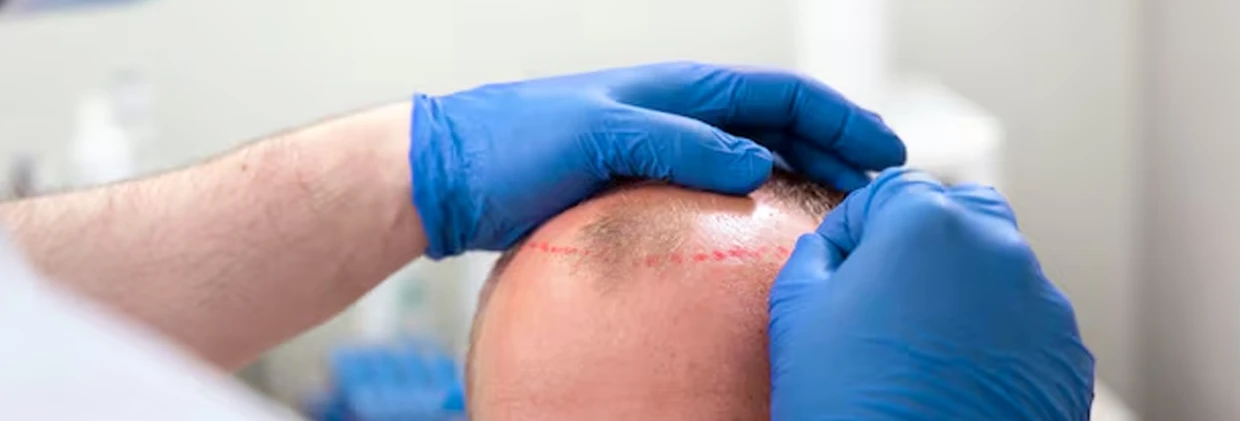
Are Hairs Transplanted with FUE Permanent? Before deciding on the operation, many patients ask the same fundamental question: “Will the transplanted hair last a lifetime?” This article from Görkem Kazan Hair Transplant clinic will answer this question with scientific certainty, explain the fundamental mechanism that ensures the permanence of hair transplanted with the FUE technique, and debunk common myths on the subject. The short and clear answer is: Yes, hair transplanted with the correct FUE technique is permanent.
The permanence of hair transplantation does not stem from the operation being a miracle, but from the genetic structure of human biology. The scientific principle behind this permanence is known in the medical world as “Donor Dominance.” FUE hair transplantation is designed based on this biological fact, and the success of the results largely depends on preserving this scientific principle. Achieving a permanent result requires not only the surgeon’s expertise but also your meticulous post-operative care.
The Scientific Secret to Permanence: The Principle of Donor Dominance
The answer to the question of permanence regarding hair transplantation is rooted in the hormone responsible for baldness: Dihydrotestosterone (DHT). Male Pattern Baldness (Androgenetic Alopecia) occurs when hair follicles, genetically sensitive to the DHT hormone, weaken and shed over time. However, hair follicles in certain areas of our body are naturally resistant to this hormone.
- DHT-Resistant Area: Hair follicles located on the back and sides of the head (the donor area) are genetically resistant to the adverse effects of the DHT hormone. These follicles are programmed not to shed throughout your life.
- Donor Dominance: The FUE technique involves taking these genetically resistant hair follicles (the donor area) and transferring them to the balding areas (the recipient area). The medical principle is that the grafts retain their original genetic characteristics, even when transferred to new locations. That is, a follicle born resistant to DHT remains resistant wherever it is transplanted and will not shed.
Thanks to this “Donor Dominance” principle, hair follicles transplanted with a proper FUE operation continue to grow throughout life and will not shed, just like the other hairs on the back of your head. This is the scientific basis for hair transplantation being a permanent solution. Reputable institutions like the American Academy of Dermatology (AAD) attribute the permanence of hair transplantation to this genetic resistance.
Popular Myths and Facts About FUE Hair Transplantation
While the permanence of FUE hair transplantation is undisputed, there are some common misconceptions among patients. Debunking these myths is essential for healthy expectation management:
Myth 1: Transplanted Hair Will Fall Out After 5–10 Years.
Fact: As stated above, the transplanted hairs are genetically resistant to DHT and will not shed. If the transplanted hairs do shed, the reason is usually that the operation was performed with an incorrect technique, the grafts were damaged, or the follicles failed to take hold due to infection or poor care during the post-operative healing phase (a failed operation). Permanent shedding in this context is caused by the death of the follicle, not by the follicle losing its permanent characteristic. After a successful FUE operation, the transplanted hairs last a lifetime.
Myth 2: Hair Transplantation Completely Solves the Baldness Problem and Stops All Shedding.
Fact: FUE makes the **transplanted** hairs permanent, but it does not stop the shedding of **existing** hairs that are genetically sensitive to DHT. While the transplanted hairs remain, the natural hair around the recipient area may continue to thin over time. Therefore, specialists recommend supportive applications such as PRP, mesotherapy, or medication treatments to slow down post-transplant shedding and protect the remaining hair. Permanence applies to the transplanted follicles, not the entire scalp.
Myth 3: Hair Grows Back in the Donor Area.
Fact: Since hair follicles are extracted individually with FUE, the follicles taken from the donor area do not grow back. The FUE technique does not leave a linear scar in the donor area, but thinning occurs as the number of grafts increases. Therefore, the expert surgeon must perform a careful and balanced extraction, taking only one follicle from between two others, to avoid compromising the overall appearance of the donor area. The proper management of the donor area is as crucial as the permanence of the transplanted hair.
Ways to Maximize Permanence: Quality and Care
The permanence of hair transplanted with FUE is a genetic fact, but guaranteeing this permanence depends entirely on the clinic and the patient. Here are ways to maximize the lifespan of the results:
- Choosing the Right Surgeon and Clinic: The most critical factor is the experience of the team performing the operation. The collection, preservation, and correct angle of implantation of the grafts (especially in DHI like sensitive techniques) directly affect graft survival. An incorrect implantation angle or graft damage (transection) jeopardizes the **initial survival success**, not the graft’s permanence characteristic.
- Discipline in the Recovery Process: The first 15 days after hair transplantation are vital for the follicles to settle into their new location. Avoiding smoking, alcohol, excessive sun exposure, and heavy exercise ensures the new follicles take hold healthily. Negligence during the healing period can lead to graft loss, compromising the result’s permanence.
- Hair Protection Treatments: Even though the transplanted hairs do not shed, a continuous protection plan is necessary to slow down the shedding of existing, genetically sensitive hairs. Advanced regenerative methods like Stem Cell and Exosome Treatment help protect your existing hairs, ensuring your overall hairline maintains a dense appearance permanently.
- Detailed Hair Analysis and Planning: An experienced surgeon plans the transplant not only for the balding area but also by anticipating future hair loss risk. This foresight ensures the hair transplant result looks natural and harmonious even years later. Studies published in the National Library of Medicine emphasize the importance of correctly analyzing the patient’s genetic shedding pattern for long-term results.
In summary, hair transplanted with FUE is permanent because it carries the genetics to resist shedding. Your responsibility is to ensure these permanent follicles take hold healthily in the first few months after the operation and to maintain your existing hair to preserve your overall appearance. At Görkem Kazan Hair Transplant, we aim to guarantee the lifelong permanence of every hair follicle transplanted using the latest technologies and ethical principles. For detailed information on hair transplantation and personalized planning, you can contact us.