

10 Questions You Should Ask Yourself Before Getting a Hair Transplant

10 Questions You Should Ask Yourself Before Getting a Hair Transplant
10 Questions You Should Ask Yourself Before Getting a Hair Transplant – Hair transplantation is one of the most effective and permanent solutions offered by modern aesthetic surgery. However, this is not a simple decision like a visit to the hairdresser; it is a significant medical investment that will profoundly affect your life, appearance, and self-confidence. Before making this investment, you need to carefully evaluate not only the cost or popular techniques but also your own situation, expectations, and all stages of the process. As the Görkem Kazan Hair Transplant clinic, we have compiled for you 10 critical questions that every potential patient should ask themselves before embarking on the hair transplant journey, and why these questions are important. Your honest answers to these questions will guide you in making the right decision.
Remember, an informed patient is the most important partner in a successful hair transplant outcome. These questions will prepare you not only for the operation but also for the post-operative process and long-term results.
Question 1: What is the Cause of My Hair Loss, and Has it Stabilized?
This is perhaps the most critical question. A transplant performed without correctly diagnosing the cause of your hair loss (genetic, stress-related, hormonal, or a symptom of a disease?) may fail because the underlying problem persists. Especially at a young age, if shedding is still actively ongoing, unnatural results can occur as the hair around the transplanted area continues to fall out.
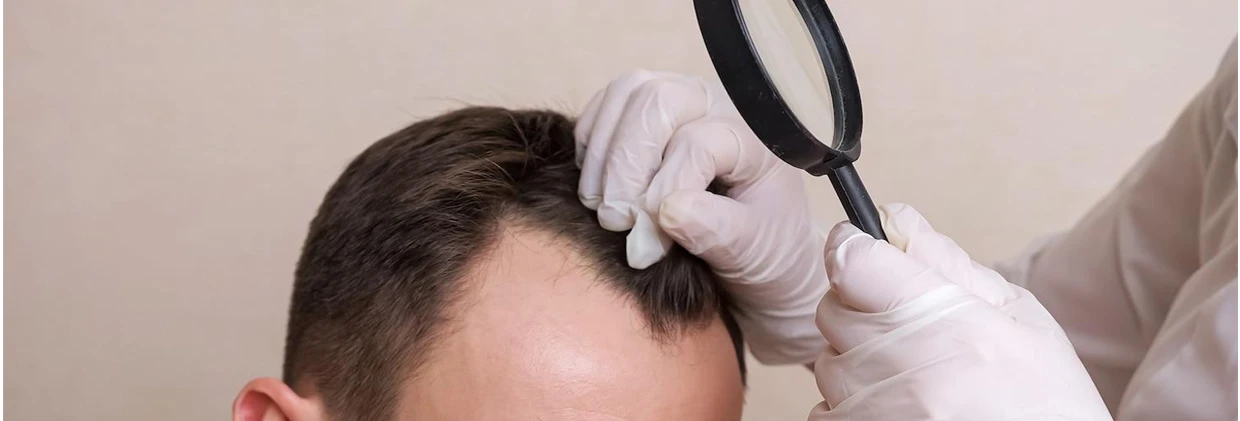
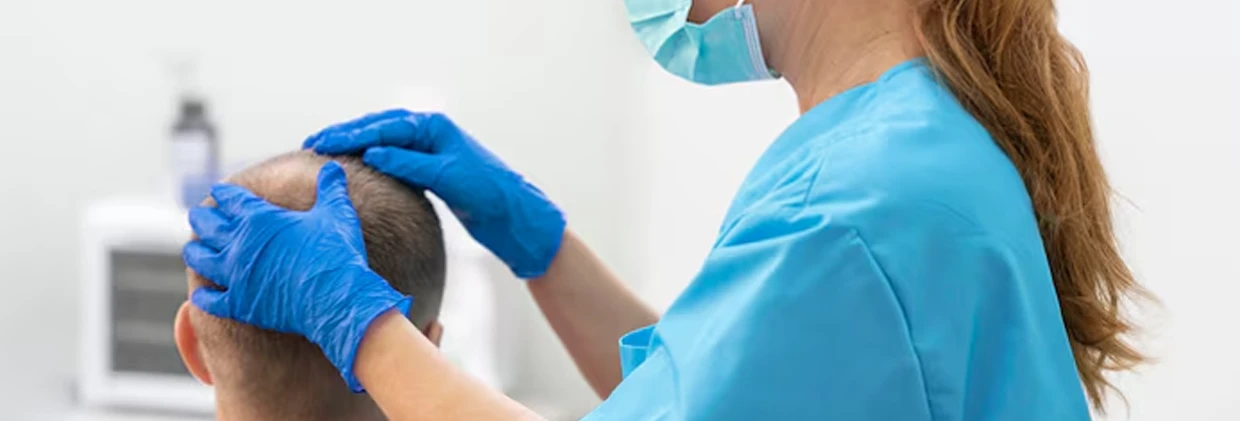
Recommendation: Before deciding on the operation, definitely learn the cause of your shedding by undergoing a comprehensive hair analysis and examination by a specialist physician, and ensure that your hair loss has largely stabilized.
Question 2: What Are My Realistic Expectations from a Hair Transplant?
A hair transplant does not create miracles; it provides an aesthetic improvement by using existing resources (the donor area) most efficiently. Everyone’s donor capacity, hair thickness, and area of loss are different. Instead of expecting to return to the hair you had at 18, it is best to aim for a natural and improved appearance appropriate for your age and biological realities.
Recommendation: Discuss your expectations openly with your surgeon. Find out how many grafts your donor area can provide and what density can be achieved with those grafts.
Question 3: Am I a Medically and Biologically Suitable Candidate for a Hair Transplant?
Not everyone experiencing hair loss may be a suitable candidate for a hair transplant. The density and quality of your donor area (back of the head) form the basis of the operation. If your donor area is weak, the result may not be satisfactory. Additionally, certain chronic health problems like uncontrolled diabetes, heart disease, bleeding disorders, or active skin diseases may prevent the operation.
Recommendation: Share your complete general health status and medications with your surgeon. Ask for an objective evaluation of your donor area’s adequacy.
Question 4: Which Hair Transplant Technique is More Suitable for Me (FUE vs. DHI)?
Two main techniques stand out in modern hair transplantation: FUE and DHI. FUE is generally an ideal and cost-effective option for larger areas and high graft numbers, while DHI offers superiority for dense packing between existing hairs, unshaven transplants, or providing millimetric control in sensitive areas like the frontal hairline.
Recommendation: Learn the advantages and disadvantages of both techniques. Discuss with your surgeon which technique is most suitable for your hair loss type, expectations, and lifestyle.
Question 5: Who Will Perform the Operation? Is the Surgeon’s Experience and Expertise Sufficient?
The most important factor determining the outcome of a hair transplant is the knowledge, skill, and artistic vision of the surgeon performing the operation. Rather than the clinic’s popularity or advertisements, you should research the surgeon’s experience in this field, the results of their previous patients, and their internationally valid certifications (e.g., membership in ISHRS).
Recommendation: Clarify who (doctor or technician?) will perform which stages of your operation. Ask to see the surgeon’s before-and-after photos of similar cases.
Question 6: What Are the Clinic’s Standards, Hygiene, and Safety Like?
A hair transplant is a surgical procedure and must be performed under sterile hospital conditions. Check if the clinic is approved by the Ministry of Health, its hygiene protocols, and whether it is prepared for emergencies. Very low prices can often mean that these standards have been compromised.
Recommendation: Visit the clinic, observe the environment, and get information about the hospital where the operation will take place.
Question 7: Am I Prepared for the Post-Operative Recovery Process and Care?
The hair transplant operation takes only one day, but recovery and seeing the final result can take 12-18 months. Special care for the first 10-15 days (washing, sleeping position), followed by shock loss and months of slow growth await you. You need to be psychologically prepared for this process and show the discipline to follow the care instructions meticulously.
Recommendation: Learn about all stages of the recovery process (swelling, scabbing, shock loss, growth phases) in detail and make sure you can manage this process.
Question 8: Can I Afford the Cost of a Hair Transplant, and What Does the Price Include?
A hair transplant is a significant investment. When setting your budget, consider not only the operation fee but also potential additional costs (medications, support treatments, travel expenses). When getting price quotes from different clinics, compare clearly what the price covers (number of grafts, technique, accommodation, transfers, PRP, etc.).
Recommendation: Instead of the “cheapest,” choose the clinic that offers the “best value” within your budget, providing reliable and high-quality service.
Question 9: Are There Other Suitable Treatment Options for Me Besides Hair Transplant?
Hair transplantation is generally the most permanent solution for cases where hair follicles have died or hair loss is in advanced stages. However, if your shedding is still in the early stages or you just want to improve your hair quality, treatments like PRP, Mesotherapy, Stem Cell/Exosome therapies, or medical treatments (Minoxidil, Finasteride) might be more suitable for you.
Recommendation: Discuss all treatment options with your surgeon and their suitability for your condition. Sometimes the best result is achieved through a combination of surgical and non-surgical methods.
Question 10: Is Now Personally the Right Time for Me to Make This Decision?
A hair transplant will create a physical and psychological change in your life. Are your work life, social life, and general mood suitable for this operation and the recovery process? Are you making this decision freely, based on accurate information, and without feeling pressured?
Öneri: Don’t rush. After gathering all the information and consulting with experts, take the step when you are truly ready for this permanent change.
Asking yourself these 10 questions and giving honest answers will ensure that your hair transplant journey is a successful, satisfying experience without regrets. As Görkem Kazan Hair Transplant, we are here to guide you at every step of this process and help you make the right decision. For detailed information and consultation, you can contact us.