

DHI Choi Technique: Differences and Application

DHI with the Pen (Choi) Technique: Differences and Application
DHI Choi Technique – In the world of hair transplantation, Direct Hair Implantation (DHI) has created a revolution with the precision, fast recovery, and high-density potential it offers. At the heart of this revolution lies a special medical instrument that changes the entire course of the operation: the Choi Implanter Pen, also known as the Pen Technique. DHI is essentially an FUE application methodology based on the use of this pen, and its success depends on the correct and skillful use of this tool. So, at what exact points does the Pen (Choi) Technique differ from traditional FUE, and how is a DHI operation performed step-by-step? As the Görkem Kazan Hair Transplant clinic, we examine the game-changing world of DHI and its application process from A to Z.
The fundamental difference between DHI and FUE is less a “method” difference and more an “application philosophy” difference. While FUE is a general term defining how grafts are harvested, DHI is a specific technique that defines how those grafts are implanted. The Choi pen gives this technique its name and is the source of all the advantages that set it apart from traditional methods: minimal damage, maximum control, and faster recovery.
Part 1: Fundamental Differences – DHI (Pen Technique) vs. Traditional FUE
To understand the superiority of DHI, it is necessary to know the four fundamental differences between it and traditional FUE:
Difference 1: Channel Opening and Implantation Process
- Traditional FUE: After the grafts are harvested, the surgeon opens thousands of small incisions (channels) in the recipient area using special blades (metal slit or sapphire tip). Then, the grafts are placed one by one into these ready-made channels with the help of forceps (medical tweezers). This is a two-step and time-consuming process.
- DHI (Pen Technique): In DHI, there is no pre-channel opening process. Each harvested graft is placed into the Choi pen, which has a hollow needle. The moment the surgeon inserts the pen into the skin, the tip of the needle both opens the channel and, by pressing the pen’s plunger, places the graft directly into the channel. Channel opening and implantation are completed simultaneously in a single, precise movement.
Difference 2: Graft’s Out-of-Body Time and Viability
- Traditional FUE: Thousands of harvested grafts can wait for hours in a special solution until all the channels are opened. Every minute spent outside the body increases the risk of the grafts losing their viability.
- DHI (Pen Technique): Grafts are placed into the pens shortly after harvesting and are implanted quickly. This “harvest and implant” cycle significantly shortens the time grafts spend outside the body. This directly increases the survival rate of the grafts.
Difference 3: Implantation Angle, Direction, and Depth Control
- Traditional FUE: The surgeon pre-determines the angle and direction of the channel he opens, but the final position of the graft within the channel depends on the maneuver during placement with forceps.
- DHI (Pen Technique): The Choi pen gives the surgeon millimetric control while implanting each graft. The entry angle and direction of the pen into the skin directly determine the exit angle and direction of the hair. This offers unique artistic control in mimicking the natural flow of hair, especially in aesthetically critical areas like the frontal hairline.
Difference 4: Shaving Requirement and Recovery Process
- Traditional FUE: Generally requires both the donor and recipient areas to be fully shaved. The channel-opening process can cause more bleeding.
- DHI (Pen Technique): It is ideal for unshaven hair transplantation as it allows for implantation between existing hairs. Because it is less traumatic, there is less bleeding, scabbing, and swelling, which speeds up the recovery process.
Part 2: DHI Application – The Step-by-Step Operation Process
A DHI operation is a meticulously planned process that requires a high level of coordination and expertise:
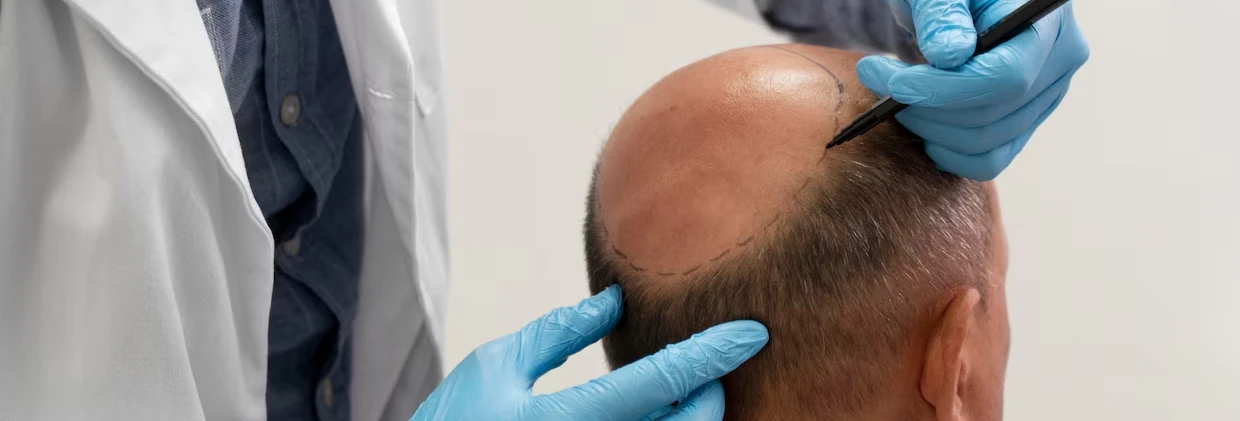
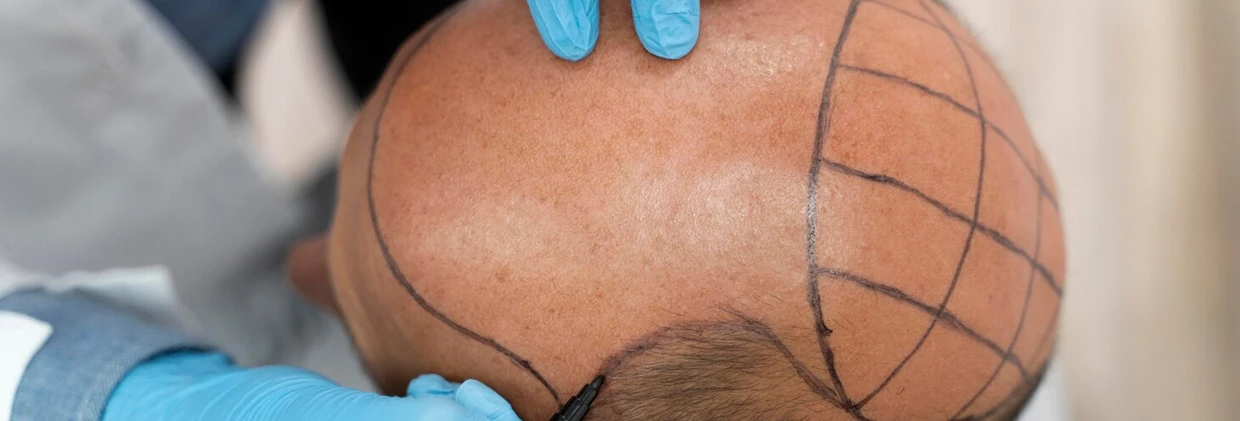
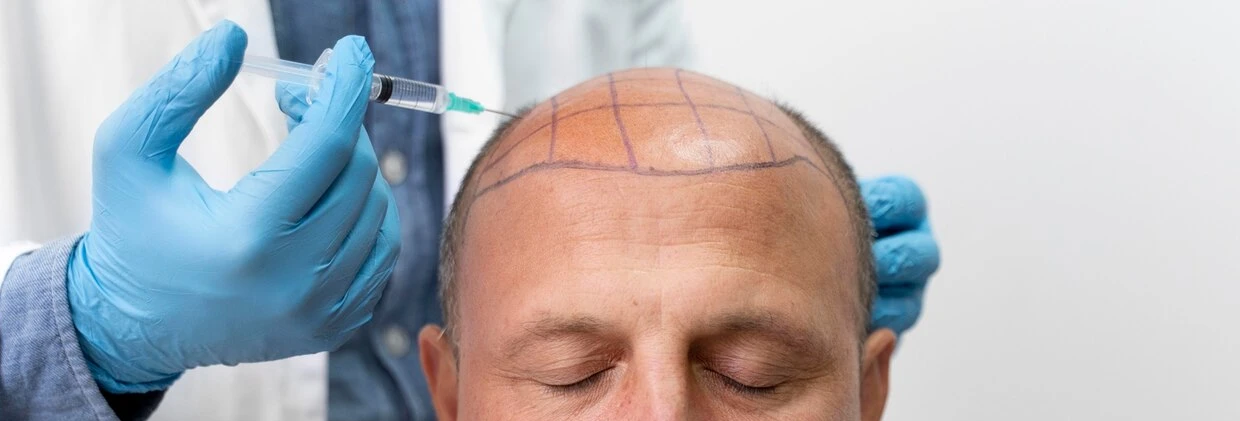
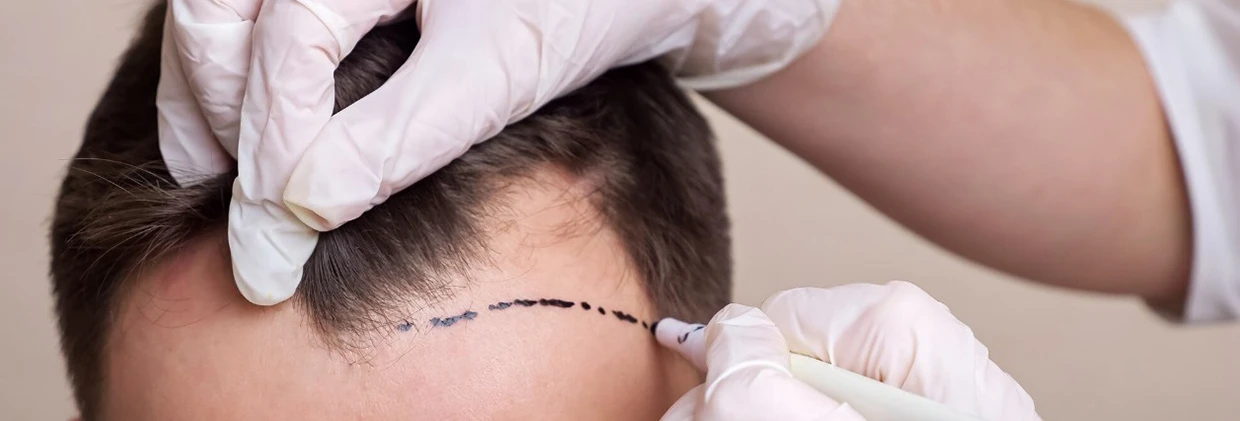
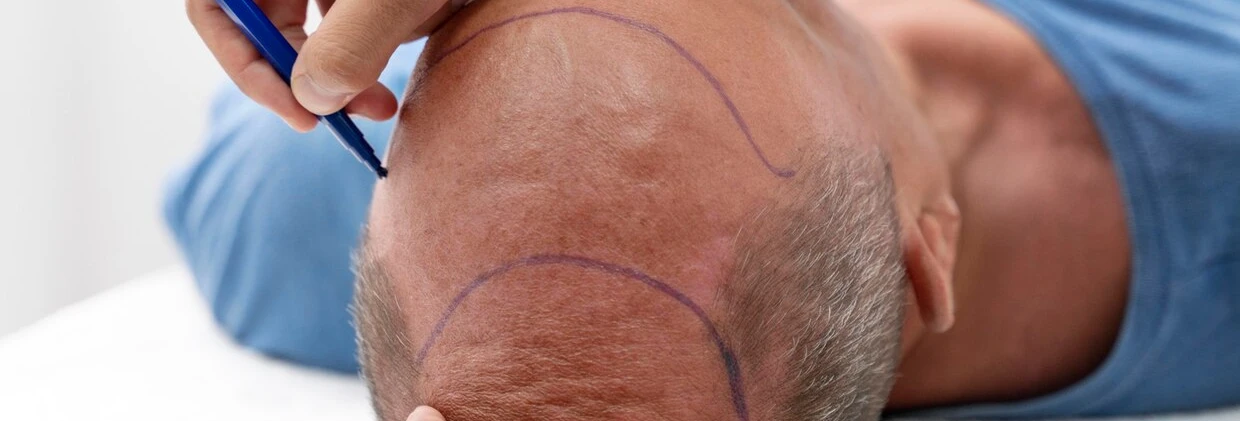
- Final Planning and Anesthesia: On the morning of the operation, the surgeon reviews the plan with the patient one last time and draws the areas to be transplanted. Then, local anesthesia is applied to both the donor and recipient areas, making the procedure completely painless.
- Graft Harvesting (Extraction): This stage is the same as in FUE. The surgeon harvests the required number of grafts one by one from the nape area using a micro-motor, without damaging the tissue.
- Loading Grafts into the Pen: While the harvested grafts are kept in a special solution, experienced assistants place them one by one into the Choi pens with great precision. This is the stage of the operation that requires the most critical teamwork.
- Implantation Phase: The surgeon takes the Choi pen with the graft inside. He inserts the pen’s needle into the skin at the pre-planned correct angle, direction, and depth. Then, by pressing the pen’s plunger, he gently releases the graft under the skin. This process is repeated one by one for thousands of grafts.
- Completion of the Operation and First Care: After all grafts are implanted, the recipient area is cleaned, and a protective bandage is applied to the donor area. The patient is given instructions for the first night and the first wash.
Organizations like the International Society of Hair Restoration Surgery (ISHRS) emphasize that advanced techniques like DHI should only be performed by surgeons who have received special training in this field and possess high manual dexterity. The potential of the technique only emerges when combined with the right expertise.
In conclusion, the DHI and Pen (Choi) Technique is a combination of technology and art in hair transplantation. Compared to traditional FUE, it offers a less traumatic, more controlled, and faster-healing process. This makes it an ideal option, especially for patients seeking a natural appearance, high density, and comfort. To find out if the DHI technique is suitable for you and to create your treatment plan with a personal hair analysis, you can contact us.