

DHI Hair Transplant Post-Op Quick Care Guide: What to Do for the Best Result

DHI Hair Transplant Post-Op Quick Care Guide: What to Do for the Best Result
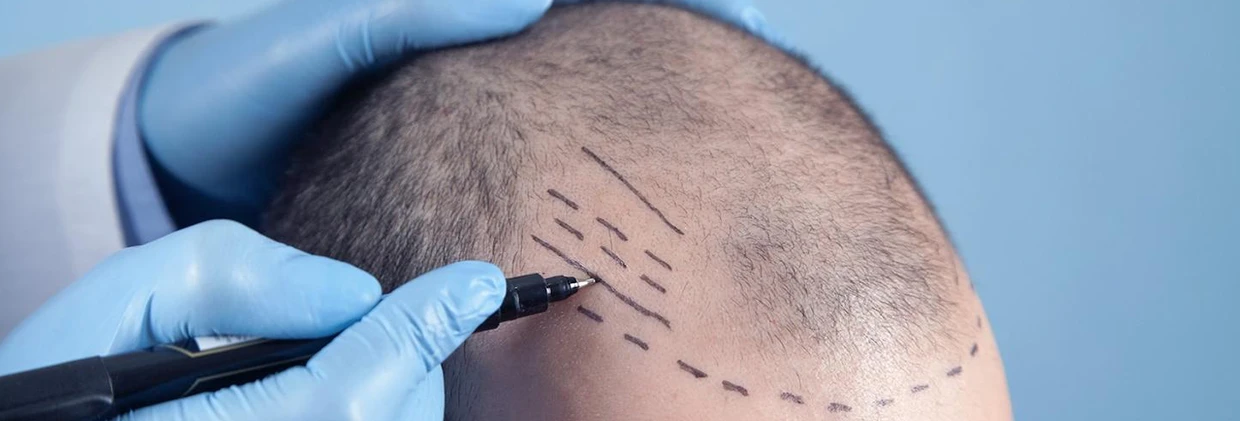
DHI Hair Transplant Post-Op, By using the specialized “Choi Implanter Pen” to implant grafts directly, the trauma of the operation is significantly reduced. This leads to DHI’s biggest advantage: faster recovery and a high graft survival rate. However, maximizing these benefits depends on the diligence of your post-operative care. Because DHI allows grafts to be implanted very close together and at the correct angle, any incorrect movement or negligence after the transplantation can disrupt this sensitive structure. This guide from Görkem Kazan Hair Transplant clinic contains step-by-step care instructions for the first 3 critical months after DHI, ensuring you achieve the best and fastest results.
With DHI, hair follicles spend less time outside the body because the channel opening and graft implantation are combined into a single step, extending their viability. This scientific superiority means less pain, less bleeding, and a quicker return to daily life for you. However, this speed does not mean rushing the care; conversely, DHI’s high-density implantation structure means the transplanted area is more concentrated and delicate. Patience and full compliance with instructions are essential for a successful outcome.
The First 48 Hours: Avoiding Irreversible Mistakes
The first two days after the operation are the most critical, as the hair follicles are adapting to the transplantation area and establishing new connections with the blood supply. Mistakes made during this period can lead to permanent loss of the transplanted grafts:
- Sleeping Position: For the first 5 to 7 days, you must sleep on your back with your head elevated (45 degrees). Lying on your side or face down can cause friction on the transplanted area, potentially dislodging the grafts. Using the special neck pillow provided will help you maintain this position.
- No Contact: Absolutely do not touch, scratch, or rub the transplanted area. When putting on or taking off shirts, jackets, or hats, do not bend your head forward; choose shirts with buttons or wide necks to put them on and take them off from the back.
- Swelling Management: It is normal to experience some swelling on your forehead and around your eyes, especially during the first few days. Use the band or ice packs recommended by your doctor (applied only to the forehead and surrounding areas, never directly to the transplanted area) to keep the swelling under control.
Week 1: The Art of Gentle Post-DHI Washing
The first wash after DHI is typically performed by our specialists at the clinic. Subsequent washes must be done at home with great care by you:
- Lotion Application: Gently apply the special lotion provided to the transplanted area using your palm, being careful **not to press**. This lotion helps to soften and moisturize the scabs. Let the lotion sit for 30–45 minutes.
- Washing (Rinsing): Use lukewarm water and low pressure, gently applying the shampoo with **patting** motions and rinsing slowly. Never point the showerhead directly at the transplanted area.
- Drying: **Absolutely** do not rub your hair with a towel. Use a clean, soft paper towel or lint-free cloth to gently absorb moisture from the transplanted area. If using a hairdryer, it must be set to the cool air setting.
This delicate washing routine protects the transplanted grafts while allowing the blood clots and scabs to dissolve gradually. Correct washing technique helps to completely clear the scabs, which result from DHI’s high-density implantation, within 10–14 days.
Month 1: Restrictions and Guaranteeing Quality
The first month is essential for the full strengthening of the transplanted grafts. Restrictions during this period are vital for the investment and effort of the operation to translate into a permanent result:
- Intense Physical Activity: Avoid all activities that can cause excessive sweating or head trauma risk, such as heavy exercise, running, and swimming (chlorine and saltwater). Sweat can increase the risk of infection and hinder graft survival. Light-paced walking may begin after 1 month with your doctor’s approval.
- Alcohol and Tobacco Products: Tobacco use slows down blood circulation, preventing essential nutrients from reaching the hair follicles. This severely jeopardizes DHI’s high potential for graft survival. Alcohol also thins the blood, slowing healing. These habits must be strictly avoided for at least the first 1 month. The American Academy of Dermatology (AAD) constantly emphasizes the negative effects of tobacco on recovery.
- Sun Protection: Protect the transplanted area from direct sunlight. The skin, which is sensitized after a hair transplant, is vulnerable to UV rays. Wearing a wide-brimmed hat (without putting pressure on your head) is mandatory.
- Hair Cutting: Cutting with scissors can be done after 1 month. However, you must wait at least 6 months before using an electric razor or blade.
Months 1–3: Shock Loss and the Harbinger of New Hair
The period beginning at the end of the 1st month and lasting up to the 3rd month is the most challenging psychologically: Shock Loss.
It is completely normal for the transplanted hair shafts to start shedding between the 2nd and 4th weeks. This indicates that the hair follicles have entered the resting phase and are preparing to produce new, stronger hairs. Even with the DHI technique, this shedding is inevitable as a reaction of the body to trauma. After the hair shafts shed, the transplanted follicles begin to grow new hairs from the 3rd month onward. These initial hairs may be thin and weak, but they will thicken and strengthen over time.
Supplementary treatments can be considered to make this period more productive and accelerate hair growth. Applying PRP or stem cell support treatments can help revitalize the follicles and speed up hair growth, supporting **fast recovery after DHI**. Such support can be a smart investment to guarantee the high density and quick results you expect from DHI.
The Secret to DHI Success: Disciplined Care
The technical superiority of DHI hair transplantation is indisputable. However, the best result is only possible with the most disciplined care. Remember that to achieve the best outcome with the DHI technique, you need to be patient and meticulous for 1 year following the operation. Our contact channels are continuously open to answer any questions that may arise during your recovery period. Fully implementing the care instructions provided by our clinic is your guarantee for achieving the full, natural-looking hair you dream of.