

Female Pattern Hair Loss: Causes and Treatment Ways

Female Pattern Hair Loss: Causes and Treatment Ways
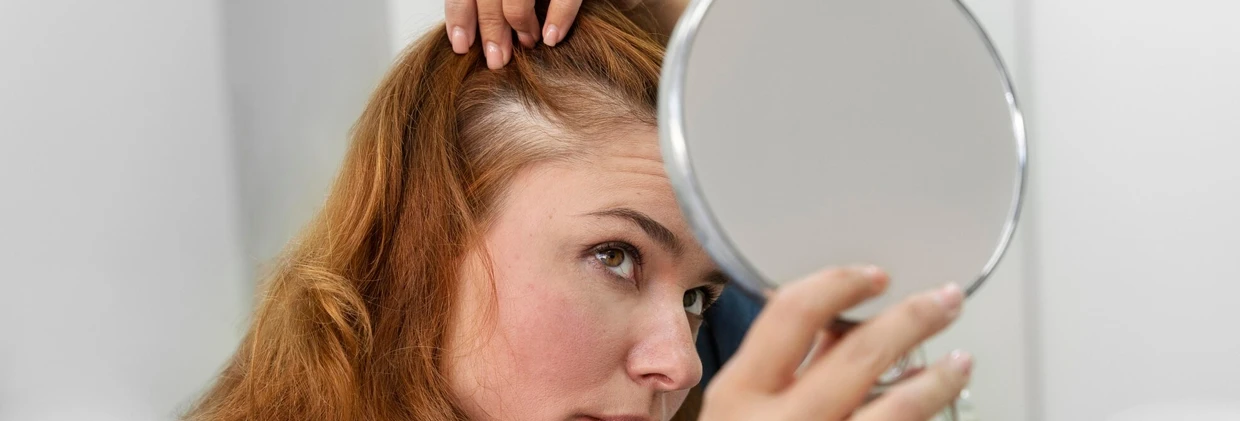
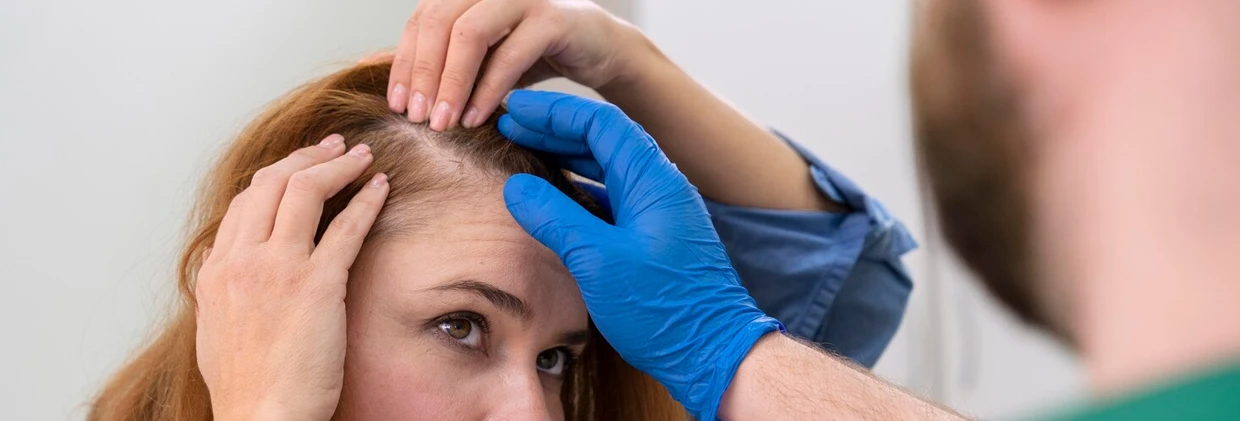
Although hair loss is generally perceived as a male-specific problem in society, a large proportion of women have to face this issue at some point in their lives. Hair loss in women usually manifests itself not as a “receding hairline” like in men, but as “diffuse thinning and sparseness” across the crown area. This situation causes the hair to lose volume and the scalp to become visible, creating serious aesthetic and psychological pressure. As the Görkem Kazan Hair Transplant clinic, we examine in detail the complex causes of female pattern hair loss (Androgenetic Alopecia) and the most effective treatment methods offered by modern medicine.
The approach to hair loss in women is completely different from that in men. Before starting the correct treatment, it is essential to determine the underlying cause of the shedding (hormonal, nutritional, or genetic). Misdiagnosis can lead to loss of time and hair.
Main Causes of Hair Loss in Women
Female hair loss is a multifactorial condition. The most common triggers are:
1. Genetic Predisposition (Androgenetic Alopecia)
This is the most common cause. It is the condition where hair follicles are sensitive to male hormones (androgens) due to genes inherited from the family. However, in women, this progresses as a widening of the parting line and gradual thinning of hair strands (miniaturization) rather than complete baldness. It is graded using the Ludwig Scale.
2. Hormonal Changes
The female body experiences hormonal fluctuations throughout life. Processes such as menopause, pregnancy, the postpartum period, and discontinuation of birth control pills can trigger hair loss with falling estrogen levels. Additionally, hormonal imbalances such as Polycystic Ovary Syndrome (PCOS) frequently lead to hair loss.
3. Nutritional Deficiencies and Health Issues
This is the most common “reversible” cause of hair loss in women. especially Iron deficiency (anemia) causes hair follicles to be deprived of oxygen. Furthermore, deficiencies in Zinc, B12, Vitamin D, and Thyroid gland disorders (Hypothyroidism/Hyperthyroidism) disrupt the hair cycle.
4. Stress and Trauma (Telogen Effluvium)
Severe emotional stress, major surgeries, or crash diets can suddenly push hair follicles into the resting phase, causing diffuse shedding (Telogen Effluvium). This is usually a temporary condition but requires supportive treatment.
Treatment Ways: Surgical and Non-Surgical Options
After the correct diagnosis is made, different treatment protocols are applied according to the stage of shedding.
1. Non-Surgical Regenerative Treatments (Early Stage)
If hair follicles have not yet died but are weakened, non-surgical methods are extremely effective:
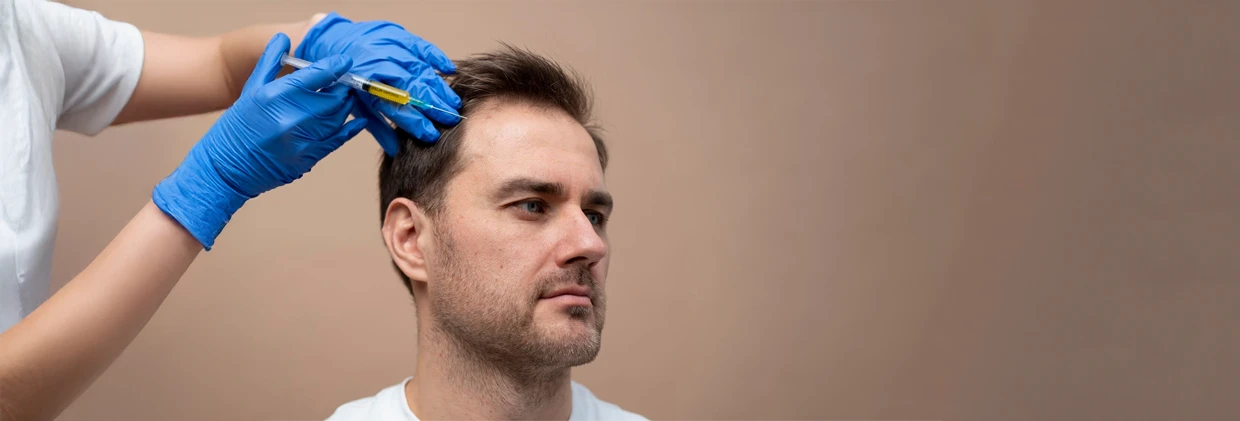
- PRP Therapy: Growth factors obtained from the patient’s own blood are injected into the scalp to stimulate follicles and increase blood circulation.
- Hair Mesotherapy: A cocktail of vitamins, minerals, and amino acids needed by the hair is injected directly into the roots. It is very effective, especially in nutritional deficiencies.
- Stem Cell / Exosome Therapy: It is the most advanced biological treatment that gives a “rejuvenation” instruction to hair follicles. It has a strong effect on thickening miniaturized hair.
2. Medical Treatments
FDA-approved topical sprays (Minoxidil) or certain hormonal regulators used under doctor supervision can be used to slow down shedding. The American Academy of Dermatology (AAD) emphasizes the importance of early intervention and the variety of treatment options in female pattern hair loss.
3. Hair Transplantation (Advanced Stage and Permanent Solution)
If the hair gap has become prominent and the follicles have died, the only permanent solution is hair transplantation. However, hair transplantation for women requires special sensitivity:
- Unshaven Hair Transplant (DHI): The biggest concern for female patients is shaving the hair. Thanks to the DHI (Direct Hair Implantation) technique, densification can be performed by entering between existing long hairs without shaving them. This method allows the patient to continue their social life without interruption.
- Natural Hairline Design: If shedding has affected the front line or the forehead opening is congenitally wide, an oval and soft hairline suitable for the female face structure is designed to restore facial aesthetics.
Conclusion: You Are Not Without a Solution
Female pattern hair loss does not have to be your destiny. Whether hormonal or genetic, effective solutions exist in modern medicine for every type of shedding. The important thing is to consult a specialist to find the root of the problem instead of masking it. As Görkem Kazan Hair Transplant, we offer personalized hair analysis and customized treatment protocols (Medical, PRP, or Unshaven Transplant) for our female patients. You can contact us to restore your hair’s former volume and health.