

FUE and DHI Hair Transplant Difference: The 5 Sharpest Points Shaping Your Decision

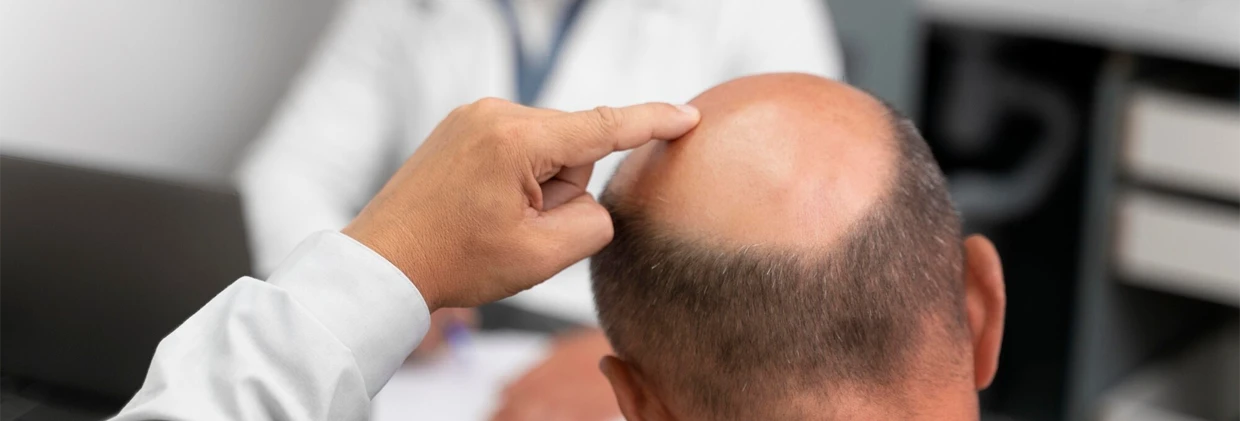
Two Technologies Shaping Your Hair Transplant Decision: The 5 Sharpest Differences Between FUE and DHI
FUE and DHI Hair Transplant Difference – For many people battling hair loss, hair transplantation offers a permanent and natural solution. However, modern hair transplantation is no longer limited to a single type of procedure. Thanks to evolving technology, two main methods stand out: Follicular Unit Extraction (FUE) and Direct Hair Implantation (DHI). Both are based on harvesting healthy hair follicles from the donor area and transplanting them to the areas that need them. Yet these two methods differ fundamentally in their application steps, the results they deliver, and the patient experience. In this article, as Görkem Kazan Hair Transplant clinic, we will detail the five most prominent differences between FUE and DHI to help our patients make the most informed decision.
1. Application and Equipment Difference: Channel Creation and Implantation Process
One of the most critical stages of a hair transplant operation is placing the harvested follicles into the recipient area. This is where the most fundamental difference between FUE and DHI emerges.
Application in the FUE Technique:
FUE is a two-stage procedure. First, the surgeon uses a special micromotor or manual punch to extract hair follicles one by one from the donor area (usually the nape). The harvested follicular units are then kept in a special solution to preserve their vitality. After this, the surgeon creates channels (micro-incisions) in the recipient area with fine, scalpel-like instruments or special needles where the follicles will be placed. Finally, the harvested follicles are inserted into these channels one by one, aligning with natural angle and direction. If the channel creation is not done with the right angle and direction, it can affect the naturalness of the results. When performed by an experienced team, the FUE technique offers high success rates and is very effective for transplanting over large areas.
Application in the DHI Technique:
DHI is a single-stage procedure performed with a special tool called the “Choi Implanter Pen.” In this technique, the harvested follicles are loaded directly into these pen-like devices as soon as they are collected. By pressing the tip of the pen directly into the implantation site, the surgeon simultaneously creates the channel and places the follicle. This dual-function process minimizes the time follicles spend outside the body and allows for a more precise operation. DHI pens enable highly accurate control of the angle, depth, and direction of follicle placement. This is a major advantage, especially for implanting into sparse areas without damaging existing hairs.
2. Shaving Requirement and Appearance: Aesthetic Expectations
For many patients, a quick return to social life after hair transplantation is one of the most important concerns. Another key difference between FUE and DHI is the shaving requirement.
Shaving in the FUE Technique:
In the traditional FUE method, the entire donor area and often the frontal recipient area are completely shaved. This facilitates graft harvesting and provides a clear view of the implantation site. Post-operation, a fully shaved look appears, which can prolong the time before returning to social life. For professionals or those uncomfortable with this appearance, this may be a disadvantage.
Shaving in the DHI Technique:
One of the biggest advantages of DHI is that shaving is generally not mandatory in the implantation area. While only a small portion of the donor area is shaved for harvesting, follicles can be implanted directly among existing hair in the recipient area. Thus, there is no obvious change in hair appearance after the operation, allowing the patient to return to social life much faster. This is an ideal option especially for patients with long hair, women, and those who want to avoid a shaved look.
3. Healing Process and Damage Risk: Comfort and Safety
The success of a hair transplant is measured not only by graft survival but also by the comfort and speed of post-operative recovery.
Recovery in the FUE Technique:
In FUE, small openings created by micro punches form in the donor area. These scab over within a few days, and the healing process typically takes 7–10 days. Due to the channels created in the recipient area, mild redness and scabbing can also be observed. The size and number of channels directly affect recovery time.
Recovery in the DHI Technique:
Because channels are created directly with the Choi Pen in DHI, there is minimal trauma to the recipient area. Placing follicles into a smaller space with less tissue damage can accelerate healing. As a result, the risk of bleeding and swelling is minimized, and post-operative scabbing and redness are milder. Our patients often report less discomfort after DHI and a quicker return to daily activities.
4. Density and Naturalness: The Key to Aesthetic Results
Every hair transplant patient’s greatest expectation is to achieve natural and dense hair after the operation. Thanks to their different application techniques, FUE and DHI meet this expectation in different ways.
Density in the FUE Technique:
When implanting with FUE, a certain spacing must be maintained between the channels the surgeon opens. This can somewhat limit achievable density in the recipient area. Even so, an experienced surgeon can achieve very natural looks by setting channel angles correctly. FUE is especially effective for covering large bald areas in a single session.
Density in the DHI Technique:
With its special pen, DHI allows very precise implantation even between existing hairs. This makes DHI an ideal option for patients who have not lost all their hair but have experienced density loss. With DHI, more follicles can be implanted per square centimeter, resulting in higher density and a fuller look. The pen technology helps replicate the hair’s exit angle and direction one-to-one, enabling a very natural appearance after transplantation. International sources such as the National Library of Medicine emphasize the importance of follicular unit transplantation for achieving natural and lasting results.
5. Operation Time and Surgeon’s Experience: The Foundation of Success
The duration of both methods varies according to the number of follicles to be implanted and the surgeon’s experience. However, technological differences affect the operation time and the amount of equipment required.
Duration in the FUE Technique:
A FUE operation generally takes 6 to 8 hours. Since graft harvesting and channel opening are separate steps, the procedure may take longer. Achieving successful results with this method requires the surgeon to be competent and experienced in FUE Hair Transplantation.
Duration in the DHI Technique:
In DHI, because graft extraction and implantation are intertwined, the operation can be shorter; however, using the pen demands greater precision, making experience even more critical. This method requires the surgeon and team to be highly skilled in handling the special pen. DHI can be a faster solution when fewer grafts are needed, but for large areas it can take longer than FUE. Therefore, the advantages and disadvantages of both methods should be evaluated in line with patient expectations. A specialist physician will make the most accurate assessment and prepare you for the DHI Hair Transplant process.
Deciding on the Right Method: Personal Needs and Expert Guidance
Making the right decision in hair transplantation is not only about knowing the techniques; it also involves a detailed analysis of your hair characteristics, your pattern of loss, and your aesthetic expectations. Although FUE and DHI are different methods, both aim to achieve the most natural and successful result. At this point, consulting a specialist is essential.
As Görkem Kazan Hair Transplant clinic, we offer each patient a personalized hair analysis and plan. During this planning, factors such as the quality of your follicles, the capacity of your donor area, and your baldness pattern are examined in detail through a Hair Analysis. The decision on which method to use for your hair transplant is made together by considering your expectations and the type of hair loss.
Some of our patients prefer DHI for its smaller scarring and faster recovery, while others choose FUE as a more cost-effective solution for large bald areas. Remember, the success of a hair transplant depends not only on the chosen method but also on the surgeon’s experience and the hygienic conditions of the clinic. Reputable organizations such as the International Society of Hair Restoration Surgery (ISHRS) continuously emphasize the importance of these factors to enhance the quality and reliability of hair transplantation.
Hair transplantation is not just a procedure—it is a new beginning. Understanding the benefits of each method helps you embark on this journey with greater confidence. Whether you are interested in specialized procedures such as Beard–Mustache–Eyebrow Transplantation or curious about cutting-edge options like SVF (Stem Cell) and Exosome Therapy, our expert team at the clinic is ready to answer all your questions. You can consult us to discover the most suitable method and create a personalized plan.