

The Importance of the Donor Area: How is the Harvest Site Protected in FUE Hair Transplant?


The Importance of the Donor Area: How is the Harvest Site Protected in FUE?
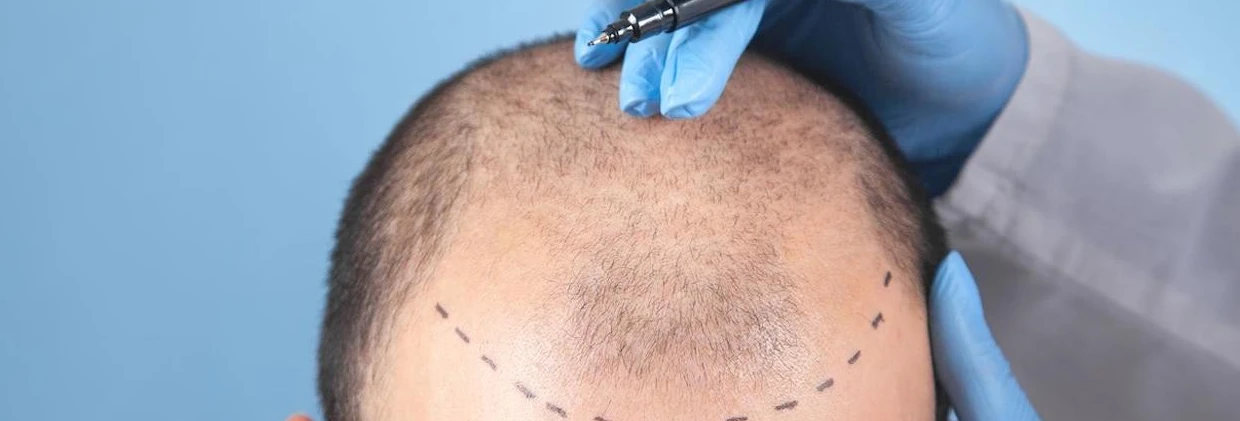
While FUE (Follicular Unit Extraction) hair transplantation offers a permanent solution to hair loss, the success of the operation depends not only on the quality of the transplanted hair but also on the health and integrity of the source from which this hair is taken, namely the donor area. The donor area is the “bank” for hair transplantation; it is a limited and non-renewable resource. How this valuable area is managed during the operation directly determines both the aesthetics of the current operation and the potential for possible future transplants. As the Görkem Kazan Hair Transplant clinic, we explain in detail why the donor area is so vital in FUE hair transplantation and how an expert surgeon must protect this area.
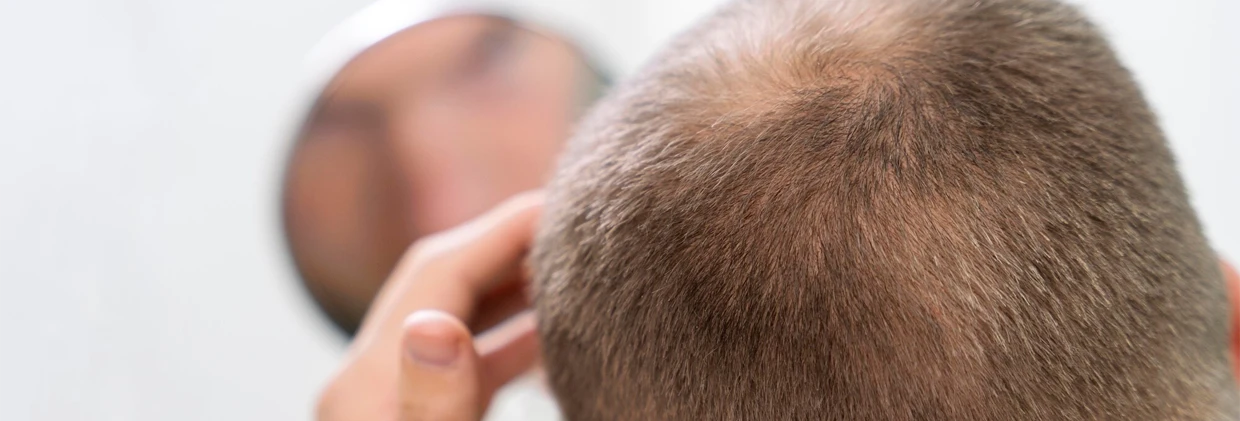
Unfortunately, the misconception that “the more grafts, the better the result” and aggressive harvesting performed by inexperienced hands can lead to permanent damage in donor areas. An “overharvested,” thinned, and unnatural-looking donor area can overshadow even a successful transplant result. Therefore, when deciding on an FUE operation, questioning the clinic’s approach and expertise regarding donor area management is just as important as asking about the transplantation technique itself.
What is the Donor Area and Why is it So Valuable?
The donor area is generally the region at the back of the head, between the two ears, including the hairy areas on the sides. There are two main reasons why this area is invaluable for hair transplantation:
- Genetic Resistance (Donor Dominance): The hair follicles in this area are genetically resistant to Dihydrotestosterone (DHT), the hormone that causes male pattern baldness. That is, they are programmed not to shed. When these follicles are harvested and transplanted to balding areas, they retain this resistant characteristic and are permanent for life.
- Limited Resource: The number of healthy hair follicles in each individual’s donor area is limited, and once these follicles are harvested, they do not grow back. This resource must be used carefully and planned thoughtfully.
The Risks of Faulty Donor Management: The Danger of “Overharvesting”
Failure to protect the donor area carries serious risks that threaten the overall success of the operation:
- Permanent Thinning and Unnatural Appearance: Harvesting more grafts than the area’s capacity in a single session or extracting follicles too closely and irregularly causes noticeable, patchy thinning (“moth-eaten” appearance) in the donor area. This becomes very obvious when the hair is cut short.
- Loss of Future Transplant Opportunities: If the donor area is overharvested in the first operation, there may not be enough resources left for a second or third operation if the hair loss continues in later years or if the patient desires more density.
- Decrease in Graft Quality: Hasty and careless harvesting increases the risk of damaging the follicles (transection). Even if damaged grafts are implanted, they cannot survive, thus lowering the success rate of the operation.
The Art of Protecting the Donor Area: The Role of the Expert Surgeon
An experienced hair transplant surgeon adopts a scientific and artistic approach to protect the donor area. This protection is evident at every stage of the operation:
1. Comprehensive Pre-Analysis and Safe Graft Count Calculation:
Before the operation, the expert surgeon determines the total capacity of the donor area (number of grafts per cm²), the thickness of the hair strands, and the structure of the follicles (ratio of single, double, triple grafts) through a detailed hair analysis (trichoscopy). Based on this analysis, they calculate the maximum number of grafts that can be safely harvested in a single session without compromising the aesthetics of the donor area. Generally, it is not recommended to harvest more than 25-30% of the donor area’s total capacity at once.
2. Selection of the Correct Punch Size and Technique:
The diameter of the punch on the micro-motor tip used for graft extraction is critical both for extracting the graft without damage and for minimizing scarring in the donor area. The surgeon must select the smallest punch diameter suitable for the patient’s hair thickness and follicle structure (usually between 0.6 mm and 0.9 mm). Using punches that are too large leads to unnecessary tissue damage and more noticeable marks.
3. Homogeneous and Strategic Graft Harvesting:
Grafts should not be harvested randomly from the donor area, but according to a specific plan, distributed homogeneously. An expert surgeon typically follows a strategy like “take one, leave two” or similar, leaving a sufficient number of healthy follicles between the harvested areas. This ensures the overall density of the donor area is maintained after the operation.
4. Minimum Transection (Follicle Damage) Rate:
The surgeon’s manual dexterity and experience directly affect the rate of damage (transection) while extracting follicles. In a successful operation, this rate should be below 5%. A high transection rate means both wasting the donor resource and creating unnecessary trauma in the area.
Organizations like the International Society of Hair Restoration Surgery (ISHRS) emphasize that donor area management is an ethical responsibility and surgeons must exercise maximum care in preserving this resource.
The Patient’s Role: Choosing the Right Clinic
The protection of your donor area largely depends on the expertise of the clinic and surgeon you choose. When deciding:
- Question the clinic’s approach to donor area analysis and planning.
- Examine the surgeon’s experience and the donor area results of previous patients (before/after photos).
- Be skeptical of clinics that promise unrealistically high graft numbers in a single session.
In conclusion, FUE hair transplantation is not just about filling the bald areas but also the art of preserving the valuable donor resource that makes this procedure possible. At Görkem Kazan Hair Transplant, we prioritize the health and aesthetics of your donor area in every operation just as much as the transplant result, making the safest and most effective plan with your future in mind. To learn about the potential of your donor area and get information about a safe hair transplant process, you can contact us.