

Process After a DHI Application: What Should Your Expectations Be?

The Day-by-Day Recovery Process After a DHI Application: What Should Your Expectations Be?
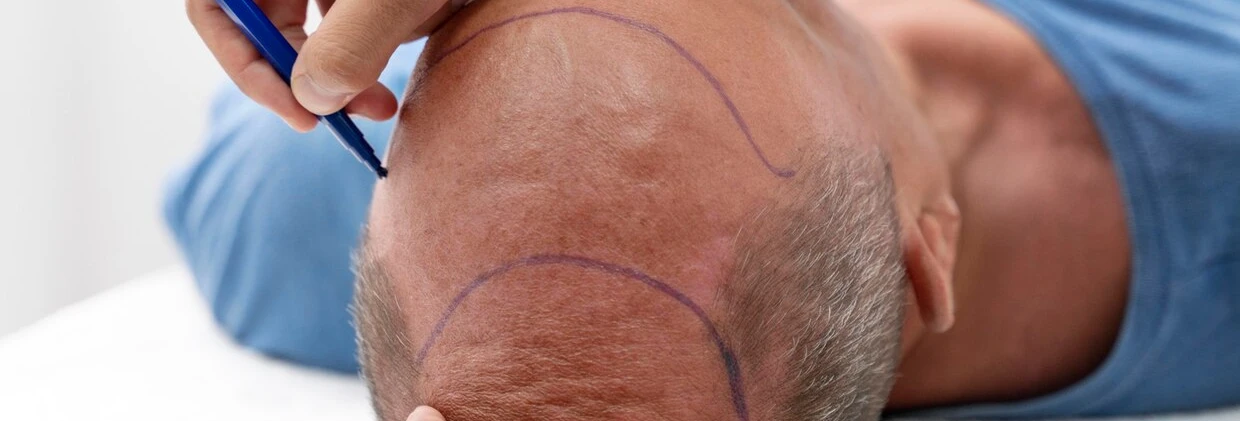
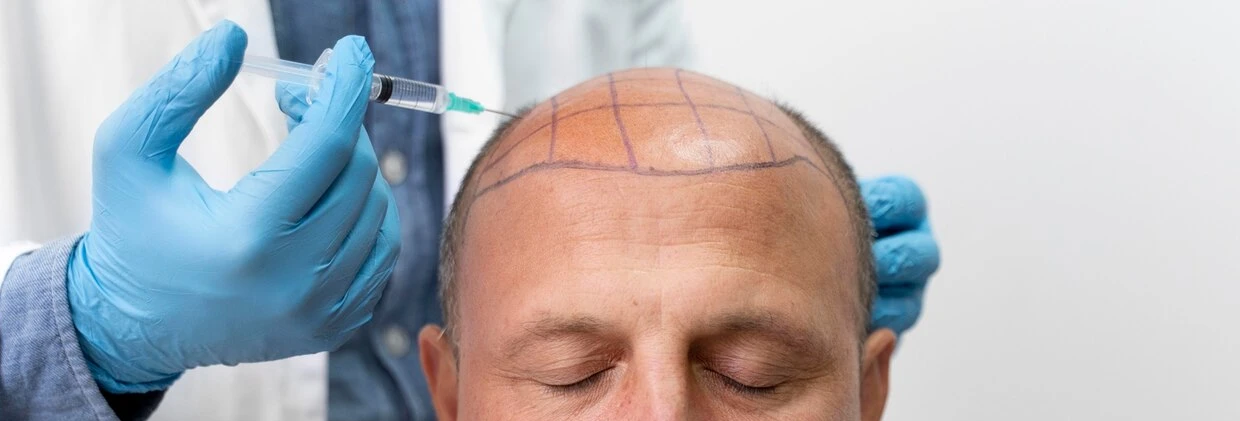
Process After a DHI Application – DHI (Direct Hair Implantation), performed using the Choi Implanter Pen, is the most advanced hair transplant technique known for its minimally invasive nature and potential for rapid recovery. As important as the success of the operation is the proper management of the post-operative recovery process and knowing what to expect during this time. Questions like “How long does recovery take?”, “When will the scabs fall off?”, and “When will my hair start to grow?” are the topics our patients are most curious about. As the Görkem Kazan Hair Transplant clinic, we have prepared this detailed guide to help you manage the day-by-day and month-by-month recovery process after a DHI application with realistic expectations.
The greatest promise of the DHI technique is a faster recovery thanks to less trauma. However, the word “fast” does not mean instant results. This is a process that progresses with patience, requiring respect for the hair’s biological growth cycle. This guide will assist you in understanding that every change you experience is a natural part of the process, guiding you at every stage of your DHI journey.
Phase 1: The First 48 Hours – Critical Protection and Adaptation Period
This period is the most delicate phase where the transplanted grafts try to attach to their new sites.
- Day 0 (Operation Day): When the operation is over, your donor area (back of the head) will be covered with a bandage, and the recipient area (transplanted area) will be left open. A slight numbness and tightness are normal. You should start taking your prescribed medications (antibiotics, painkillers) as directed. The most important rule: Do not touch the transplanted area under any circumstances.
- Days 1-2: These are the days when post-operative edema (swelling) is most common. This swelling may descend to your forehead and around your eyes due to gravity. This is completely normal and temporary. It is very important to sleep on your back with your head elevated at a 45-degree angle (with the special pillow provided), drink plenty of water, and avoid bending your head forward to minimize swelling.
Phase 2: The First Week (Days 3-10) – Scabbing and Gentle Cleaning
During this phase, small, red dots and scabs the size of a pinhead begin to form at the base of each graft. This is a natural part of healing.
- Day 3 (First Wash): Your first wash is usually performed by our specialists at our clinic. During this procedure, a special lotion is applied to soften the scabs, and you will be shown in detail how to perform a gentle wash with a medical shampoo.
- Days 4-10: You will need to apply the washing technique taught to you at home every day. After gently applying the lotion with patting motions and letting it sit, you should rinse it off with lukewarm, low-pressure water. This regular washing ensures that the scabs fall off slowly and without damaging the follicles. By the end of day 10, the goal is for all scabs in the transplanted area to have fallen off.
Phase 3: The Second Week and Beyond (Days 10-30) – Shock Loss
After the scabs fall off, the transplanted area achieves a clean and healthy appearance. The short transplanted hairs become visible. However, this appearance is temporary. Usually, starting from the end of the second week, the process called shock loss begins. The transplanted hair shafts shed as a reaction to the trauma of the operation. This can be the most psychologically challenging phase for patients, but it is a completely normal and expected situation. Remember, only the hair shaft is shedding; the follicles are safe under the skin and are preparing to produce new, permanent hair.
Phase 4: The Month-by-Month Growth and Maturation Process
This period, where you will start to see the real results, requires patience.
- Months 2-3 (The “Silent” Phase): Shock loss is usually completed during this period. There may not be visible signs of new growth on the scalp yet. This is the preparatory period where the follicles are transitioning from the resting phase to the active growth phase.
- Months 4-6 (Initial Growth): New hairs begin to emerge in a thin, weak, and sometimes curly texture. These first “baby hairs” will strengthen over time. The first increases in hair density are noticed during this period.
- Months 6-12 (Noticeable Densification): The hair grows longer, thickens, and the transplanted area becomes significantly fuller. 60-70% of the hair will have emerged during this period. The results will now begin to satisfy you.
- Months 12-18 (Final Result): All of the hair emerges, thickens, and reaches its final, mature form. The full result of the hair transplant operation is seen during this period.
Factors That Accelerate and Support Recovery
Some supportive steps can be taken to optimize the post-DHI recovery process and improve the quality of the results:
- Biological Support Therapies: PRP or stem cell/exosome treatments applied at regular intervals after the operation accelerate the revitalization of the follicles and improve the quality of the emerging hair.
- Lifestyle: Avoiding smoking and alcohol during the recovery period improves blood circulation, allowing the follicles to be better nourished. Organizations like the International Society of Hair Restoration Surgery (ISHRS) state that such factors directly affect the success of the result.
- Proper Care: Strictly following the instructions given to you eliminates the risk of infection and prevents graft loss.
DHI hair transplantation offers life-changing, permanent, and natural results when you are patient and trust the process. We are here to guide you and answer all your questions at every step of this journey. For more information about DHI hair transplantation or to schedule a personal hair analysis, you can contact us.