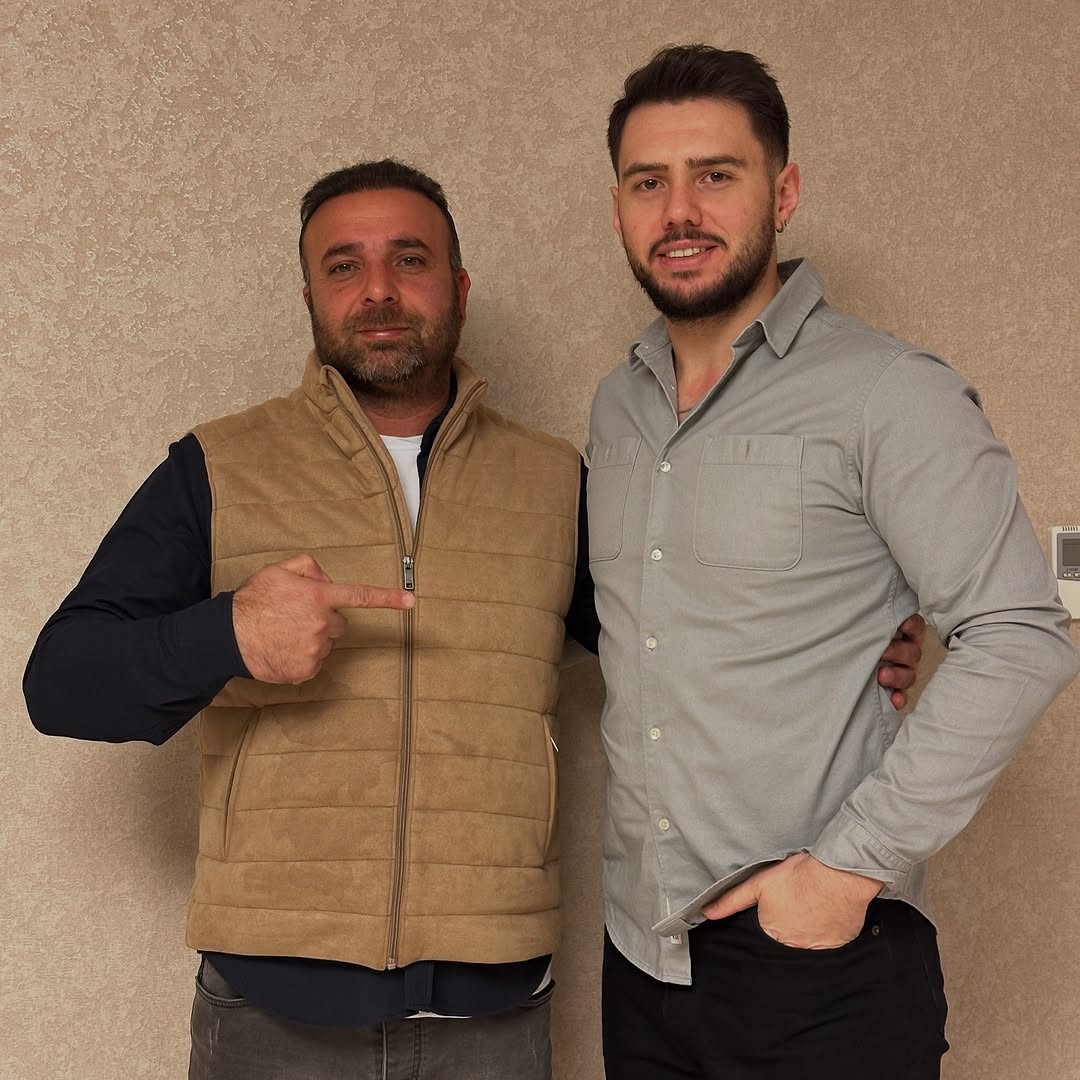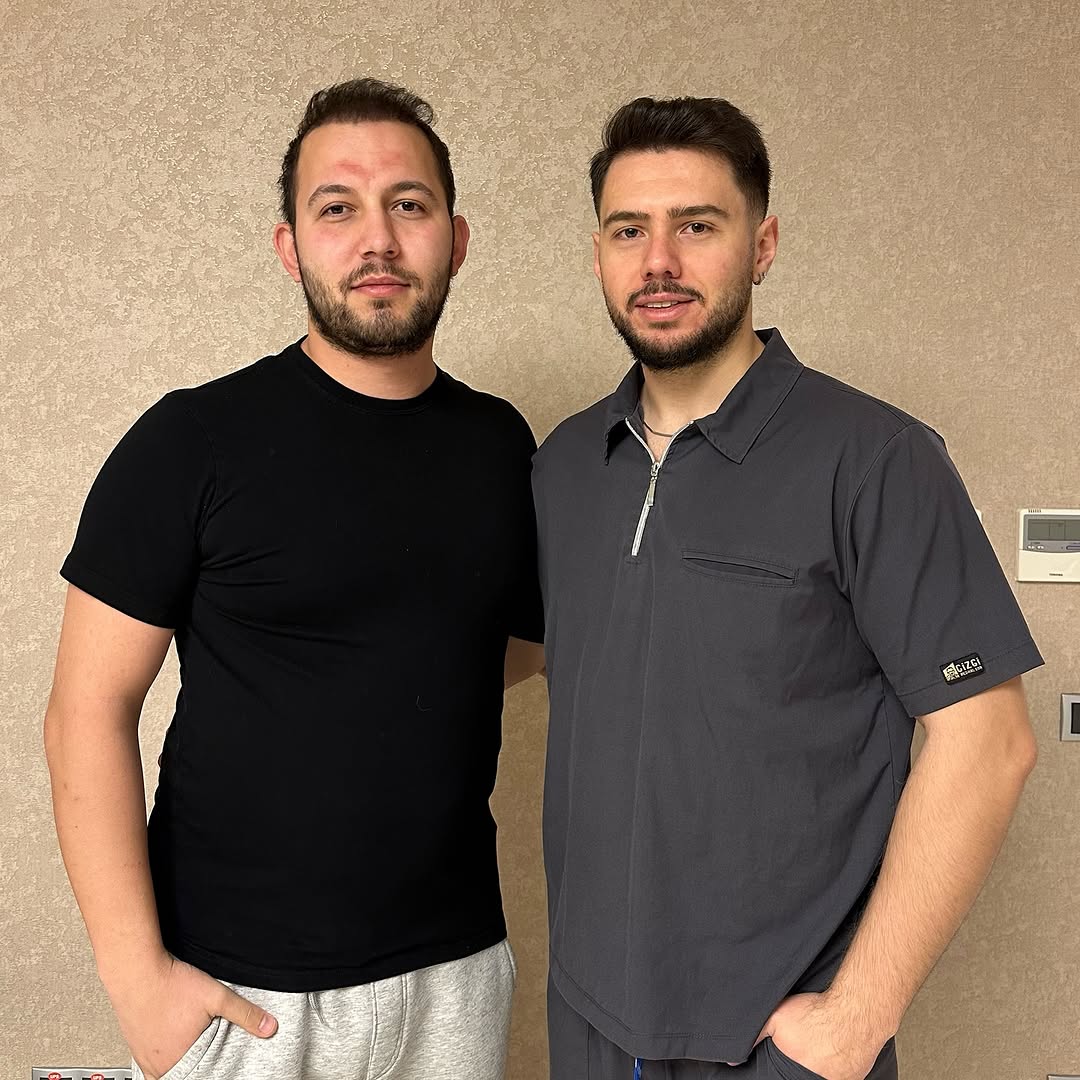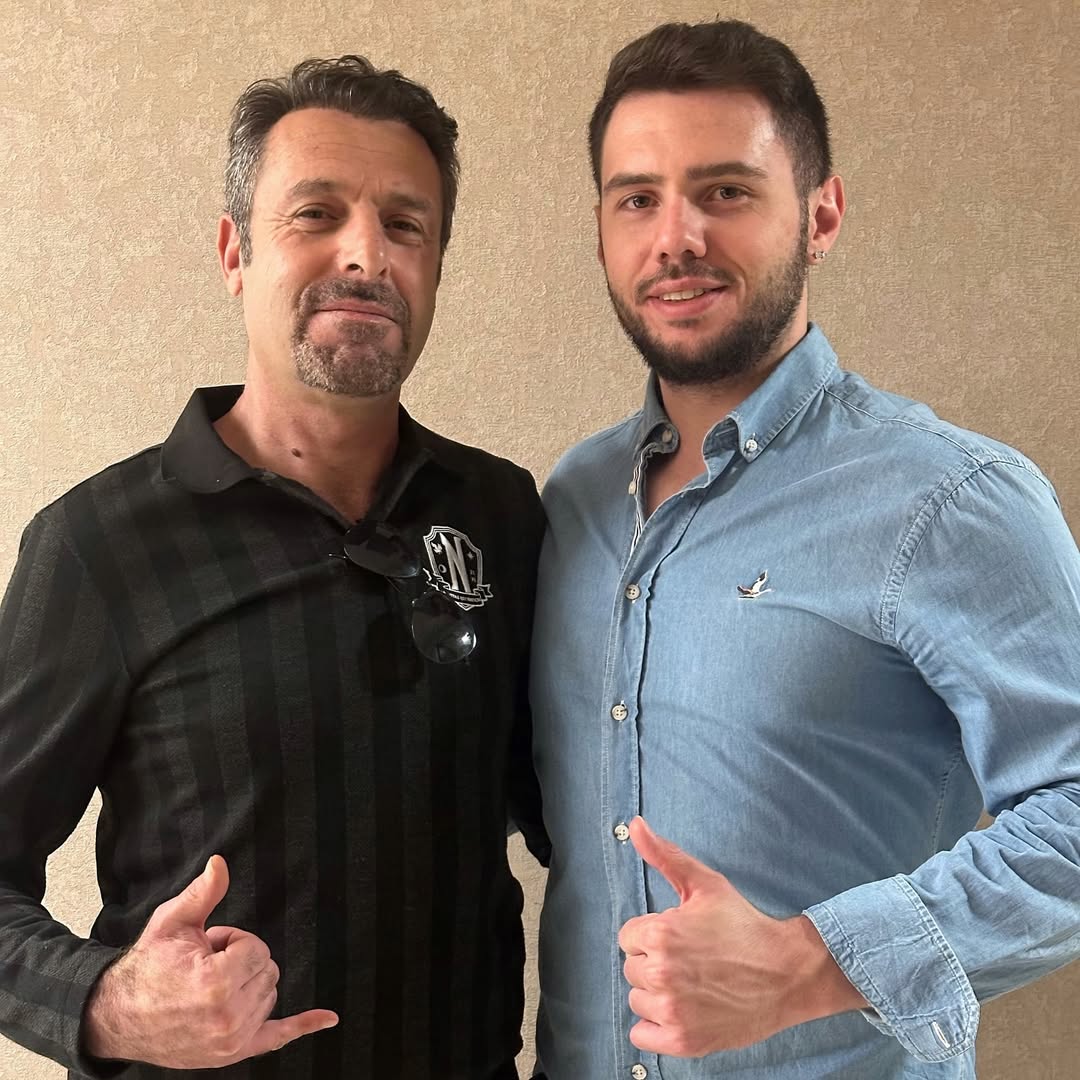


Reshape Your Face with Beard Transplantation: A Complete A-to-Z Guide

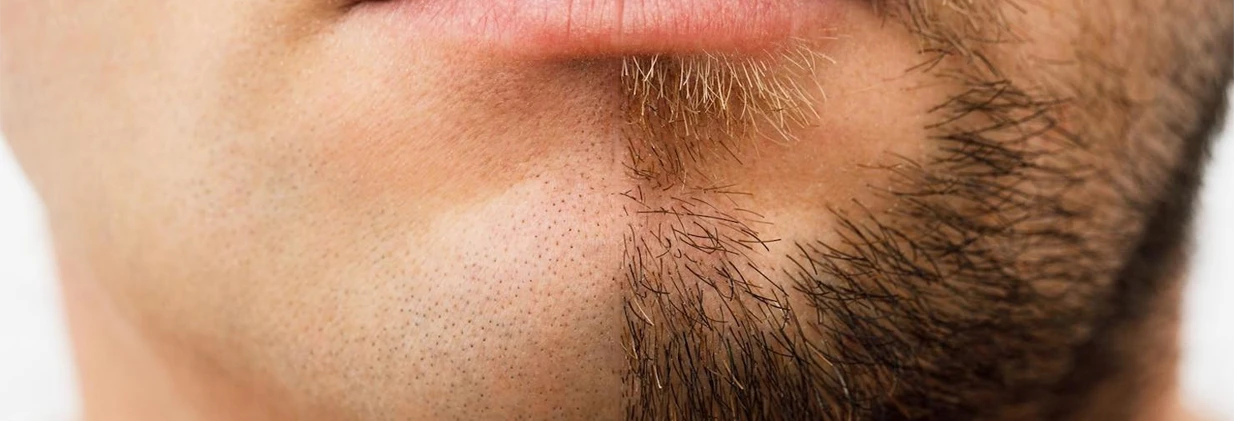
Reshape Your Face with Beard Transplantation: A Complete A-to-Z Guide
Reshape Your Face with Beard Transplantation – In male aesthetics, the beard is not just a covering of hair but a powerful element that balances facial features, defines the jawline, and imparts a charismatic expression. However, for men who cannot grow a beard, have sparse or patchy growth due to genetic reasons, or whose beard integrity is compromised by scars, this situation can create a sense of aesthetic incompleteness. Beard transplantation is a micro-surgical procedure that permanently resolves this issue, virtually reshaping the face, and combines modern medicine with aesthetic art. This guide, from the Görkem Kazan Hair Transplant clinic, covers everything you need to know from A to Z about the process, aiming to answer all the questions a patient considering a beard transplant might have.
Beard transplantation is much more than a simple “gap-filling” procedure. It is a lifelong investment in the architecture of your face. A successful result is measured not only by the survival of the transplanted follicles but also by the naturalness of the design, the correctness of the angle, and the perfect harmony of the density with your facial features. This guide transparently illuminates the entire process for you to make an informed decision.
Part 1: What is Beard Transplantation and Why is it Done?
Beard transplantation is the process of individually harvesting genetically DHT-resistant hair follicles (grafts), usually from the back of the neck, and transferring them to the beard area on the face. The main objectives of this procedure are:
- To Address Genetic Sparseness: To create a beard line from scratch in cases of “beardlessness” due to genetics, where no beard has grown or it remains very thin.
- To Fill in Regional Gaps: To achieve beard integrity by filling in patchy and irregular gaps on the cheeks, chin, or mustache area.
- To Camouflage Scars: To cover and make invisible hairless areas caused by scars from accidents, burns, surgery, or cleft lip. This is a special application also known as SCAR transplantation.
- Aesthetic Shaping: To redesign the existing beard line (cheek and neck lines) to create a sharper and more aesthetic appearance.
Part 2: The Planning and Design Phase – The Artistic Touch
The most critical stage of the operation is the planning and design process, where the surgeon works like an artist.
- Facial Analysis and Beard Line Design: The surgeon analyzes the patient’s face shape, the position of the cheekbones, and the jaw structure. Based on this analysis, a natural and masculine beard line is drawn that is appropriate for the patient’s age and expectations. Where the cheek and neck lines are placed directly determines the aesthetics of the result.
- Determining the Number of Grafts: The required number of grafts is calculated based on the size of the area to be covered and the targeted density. This number can range from 300-500 grafts for a small gap in the sideburn area to 3000-4000 grafts to create a full beard.
- Evaluation of the Donor Area: A comprehensive hair analysis checks the quality, thickness, and density of the hair follicles in the nape area. It is ensured that the donor area can support this operation and that sufficient resources are left for potential future hair transplants.
Part 3: Operation Techniques – The Superiority of DHI
Beard transplantation consists of two main stages: graft harvesting and implantation.
- Graft Harvesting (Extraction): Hair follicles are harvested one by one from the nape area using the FUE (Follicular Unit Extraction) technique. Since only single-hair follicles are needed for a beard, this selection is made with great care.
- Graft Implantation: The gold standard in beard transplantation is the DHI (Direct Hair Implantation) technique. The reason for this is the unique precision offered by DHI using the Choi Implanter Pen. Thanks to this pen, the surgeon can control the angle of entry into the skin (10-20 degrees), the direction, and the depth of each follicle with millimetric accuracy. This is an absolute necessity for a natural beard appearance.
Part 4: The Step-by-Step Recovery Process
The post-operative process requires patience and proper care.
- First 10 Days (Delicate Period): Redness, slight swelling, and tiny scabs form in the transplanted area. During this period, it is necessary to minimize facial expressions, sleep on your back, and protect the area from any contact. The scabs will fall off on their own within 7-10 days with special washing lotions.
- Weeks 2-4 (Shock Loss): The transplanted hair shafts temporarily shed. This is a normal sign that the follicles have entered the resting phase.
- Months 3-4 (Initial Growth): Follicles emerging from the resting phase begin to grow new, permanent hairs.
- Months 6-8 (Definition): The beard line becomes more defined, the hairs thicken, and the density increases.
- Months 12-18 (Final Result): The beard takes its final form. The follicles mature completely, and the beard texture acquires a natural coarseness and appearance.
Part 5: Long-Term Care and Permanence of Results
Since the transplanted beard hairs are taken from the back of the head, they will continue to grow like scalp hair. Therefore, to maintain a natural appearance, they need to be trimmed regularly (usually 1-2 times a week) with scissors. The first full shave (with a razor or machine) is generally recommended after 6 months. The results are permanent for life thanks to the “Donor Dominance” principle.
Part 6: Risk Management and Quality Assurance
The biggest risk in beard transplantation is having it done by inexperienced hands. Hairs implanted at the wrong angle (growing straight out), an artificial-looking beard line, or damage to the donor area can lead to aesthetic mistakes that are difficult to correct. Therefore, the following elements should be considered when choosing a clinic:
- The surgeon’s experience and references in facial hair transplantation.
- The clinic’s hygiene standards and technological infrastructure.
- Ensuring the operation is performed in accordance with international standards. The International Society of Hair Restoration Surgery (ISHRS) emphasizes the importance of surgical artistry and patient safety in facial hair transplants.
To increase the success of the operation and the quality of the hair, supportive treatments like PRP may be recommended after the transplant.
Beard transplantation not only fills the gaps on your face but also fundamentally changes your expression and charisma. To reshape your face with this permanent and natural solution, you can contact us to create a personalized beard transplantation plan with the specialists at Görkem Kazan Hair Transplant