

Shock Loss After Hair Transplantation: When Does It End and What Happens Afterwards?

Shock Shedding After Hair Transplantation: When Does It End and What Happens Next?
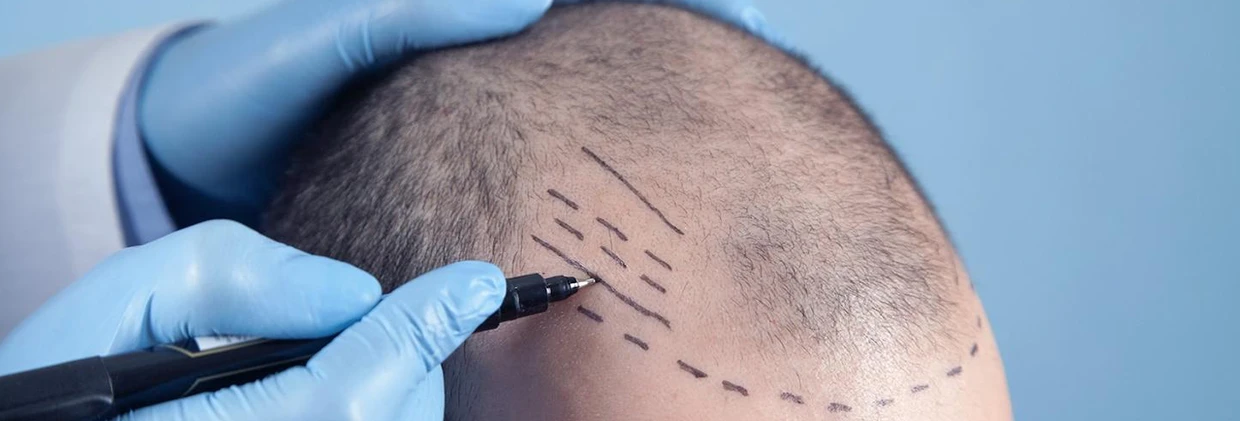
After Hair Transplantation, the journey our patients eagerly anticipate begins. However, one of the most common concerns during this process is “shock shedding.” Shortly after transplantation, the shedding of the implanted hair shafts may cause worry. In this article, we will examine the phenomenon of shock shedding in detail, explain when it starts and ends, and describe what awaits you afterward. At Görkem Kazan Hair Transplant, we want you to know that this natural and temporary stage is actually a sign of successful results.
It should be remembered that a hair transplant is a surgical procedure, and the body’s reaction to it is completely normal. Shock shedding is a trauma response that occurs as the transplanted follicles adapt to their new environment. This process allows follicles to enter the resting phase and make space for stronger, new hairs to grow afterward. Therefore, shock shedding is not something to panic about—on the contrary, it is proof that everything is progressing as planned.
What Is Shock Shedding? The Biological Mechanism
Our hair follows a normal growth cycle: anagen (growth), catagen (transition), and telogen (resting). During hair transplantation, follicular units taken from the donor area are exposed to minor trauma as they are transferred to their new location. This trauma pushes the follicles into “shock,” sending them into the telogen or resting phase. Follicles in this phase shed their existing hair shafts within 2–4 weeks. The key point is that only the hair shaft is shed—the follicle itself remains firmly in place in the transplanted area.
Shock shedding can sometimes affect not only transplanted hairs but also nearby weak hairs in the recipient area. This occurs due to surgical trauma and temporary changes in blood flow. However, this shedding is not permanent—those existing hairs will grow back over time. Reliable sources such as the International Society of Hair Restoration Surgery (ISHRS) describe shock shedding as a natural stage after hair transplantation.
When Does Shock Shedding Start and How Long Does It Last?
The shock shedding process varies from person to person but usually begins between the 2nd and 4th weeks after the operation. The most intense shedding is typically observed in weeks 3 and 4. Patients may notice hairs falling out during activities such as showering, which can cause concern, but this is a normal part of the process. By the end of the 3rd month, shock shedding is largely complete, preparing the foundation for new hair growth.
In rare cases, shock shedding may continue until the 4th month. This is not abnormal. Each person’s body reacts differently, and the healing process is unique. What matters most is understanding that this stage will end and being patient. Whether you undergo FUE hair transplant or DHI hair transplant, shock shedding is likely to occur.
New Hair After Shock Shedding: Stages of Transformation
Once the shock shedding phase ends, the true benefits of the hair transplant begin to appear. The following stages await you:
- Initial Growth (Months 3–4): After shedding ends, tiny, thin, and often curly new hairs begin to appear in the recipient area. These early hairs are immature and weak but serve as proof that your follicles are alive and active again.
- Strengthening and Thickening Phase (Months 4–8): This is when the most noticeable changes occur. The initial hairs gradually thicken, lengthen, and gain pigment. Hair density steadily increases. At this stage, you also begin to notice the natural direction and angle of your new hairs, reflecting the quality of the transplant.
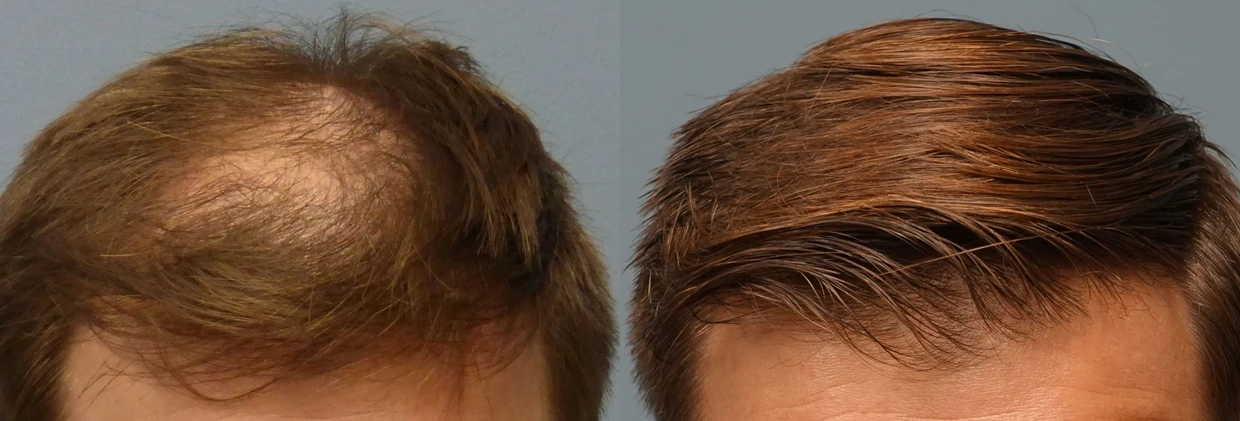
- Final Results (Months 12–18): The full results of a hair transplant generally become clear by the 12th month, though in some individuals it may take up to 18 months. By this point, your hair has fully grown, thickened, and reached its final form. You can now clearly see the success of the operation.
What Should Be Done During This Period?
The shock shedding stage can be psychologically challenging. However, there are many things you can do to get through it more comfortably:
- Don’t Panic: Shock shedding is a natural part of the hair transplant process. Understanding it properly helps eliminate unnecessary worry. Follow your doctor’s instructions and trust the process.
- Follow Care Instructions: Regularly use the shampoos and lotions provided after the operation. Wash the transplanted area gently. This speeds up healing and protects the new follicles.
- Healthy Lifestyle: Eat a balanced diet and drink plenty of water. Nutrient-rich foods with protein, vitamins, and minerals are vital for healthy hair growth. Avoid smoking and alcohol.
- Stay in Touch with Your Doctor: For any questions or concerns, do not hesitate to consult the specialists at Görkem Kazan Hair Transplant. Your clinic is the most reliable source of guidance and reassurance.
Can Shock Shedding Be Prevented?
Shock shedding is a physiological outcome of hair transplantation and cannot be completely prevented. However, supportive treatments can help minimize it and aid in faster recovery of the follicles. Procedures such as hair mesotherapy or SVF (Stem Cell) and Exosome Therapy can improve blood flow to the follicles and help make the shock shedding phase milder. The American Academy of Dermatology also highlights the importance of supportive treatments after hair transplantation.
It should be remembered that the hair transplant journey requires patience, proper care, and trust in your specialist. Shock shedding is only a small and temporary stop along the way. At the end of this stage, you will have the full, natural-looking hair you have always dreamed of. To learn more about our personalized treatment and care plans and to get answers to your questions about hair loss, you can contact us.