

Where Are the Ideal Grafts Taken From for Eyebrow Transplantation?

Where Are the Ideal Grafts Taken From for Eyebrow Transplantation?
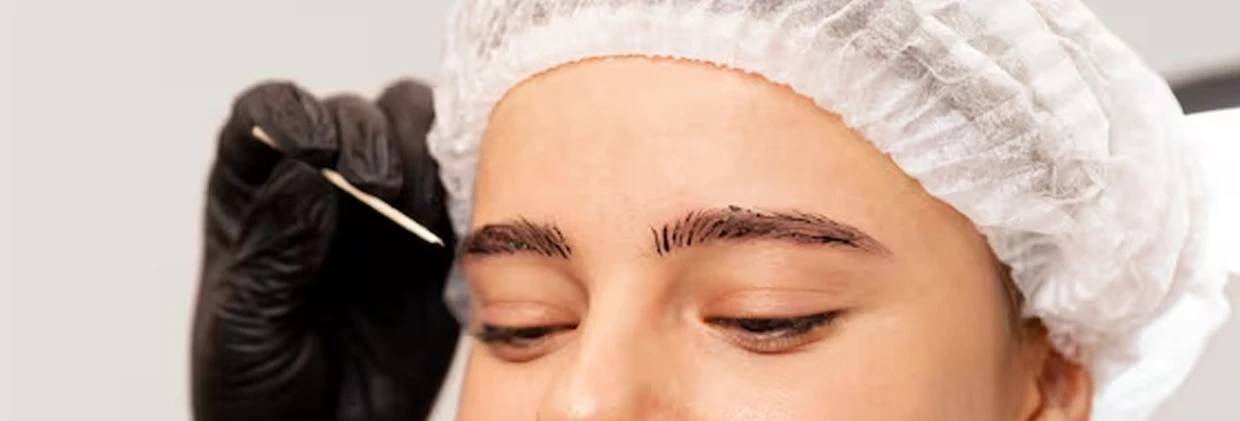
Eyebrow transplantation is an extremely delicate and artistic micro-surgical procedure that redefines facial expression and aesthetic balance. The main goal of this operation is to create permanent, natural, and harmonious new eyebrows in place of those that have shed, thinned, or are absent altogether, matching the facial features. The most critical key to achieving this naturalness is where the hair follicles (grafts) to be transplanted are harvested from. The chosen donor area directly determines the texture, thickness, color, and, most importantly, the growth characteristics of the transplanted eyebrows. As the Görkem Kazan Hair Transplant clinic, we explain in detail why the choice of donor area is so important in eyebrow transplantation and from which part of the body the ideal hair follicles are harvested, and how.
The fundamental difference that sets eyebrow transplantation apart from ordinary hair transplantation is the micro-level requirement for naturalness in the targeted result. Eyebrows are located in the most prominent area of our face, and the slightest artificiality is immediately noticeable. Therefore, the selection of the donor area and the graft harvesting technique form the foundation of the operation’s artistic success.
Why is Donor Area Selection So Critical? The Unique Structure of Eyebrow Hair
To understand the ideal donor area, one must first know the characteristics of natural eyebrow hair:
- Single Growth: Unlike scalp hair, which grows in groups of 2s or 3s (follicular units), eyebrow hairs almost always emerge one by one.
- Fine Structure: Eyebrow hairs are generally finer and softer in texture than scalp hairs.
- Distinct Angle and Direction: Eyebrow hairs emerge from the skin at a very shallow angle (10-15 degrees) and grow in different directions in different parts of the brow (e.g., upwards medially, outwards centrally, downwards laterally).
- Limited Growth Cycle: The growth (anagen) phase of eyebrow hairs is much shorter than that of scalp hair, so they shed after reaching a certain length and are replaced by new ones (they don’t grow continuously long).
Because of these unique characteristics, the grafts used for eyebrow transplantation must possess properties as close as possible to this structure.
The Gold Standard Donor Area: The Special Zone of the Nape
The donor area accepted worldwide and yielding the most ideal results for eyebrow transplantation is unequivocally the nape area (occipital region). However, not the entire nape, but a specific part of it is preferred:
Why the Nape Area?
- Genetic Resistance (Permanence): Hair follicles in the nape area are genetically resistant to shedding (DHT hormone). When these follicles are transplanted to the eyebrow, they retain this characteristic and are permanent for life.
- Sufficient Source: The nape area is usually a rich source, sufficient to provide the small number of grafts typically required for eyebrow transplantation (average 200-600).
Which Part of the Nape is Ideal?
To mimic the natural fineness and single emergence of eyebrow hairs, harvesting is done specifically from these areas, not just anywhere on the nape:
- Lower Nape (Area Close to the Neck): The hair strands in this region are generally finer, softer, and more frequently found as single follicles compared to the upper parts of the nape. This structure is closest to the natural texture of the eyebrow.
- Area Behind the Ears: In some cases, the finer hairs behind the ears can also be a good alternative.
An expert surgeon carefully examines these areas during the hair analysis and identifies the zone containing the grafts most suitable for your eyebrow structure.
Graft Harvesting Technique: Only Single Grafts and FUE/DHI Precision
Once the ideal area is determined, how the grafts are harvested also affects the naturalness of the result:
- Selection of Single Grafts Only: This is the most important rule. Double or triple grafts must never be used in eyebrow transplantation. This causes the eyebrow to look coarse, thick, and artificial. The surgeon must carefully select and extract only follicles containing a single hair using the micro-motor during the FUE technique.
- Undamaged Harvesting with the FUE Technique: The FUE (Follicular Unit Extraction) technique allows for the harvesting of single follicles using very fine punches (0.6-0.7 mm), without leaving scars in the donor area and with minimal damage to the surrounding tissue.
- Implantation with the DHI Technique: These precious single grafts are usually implanted into the eyebrow area using the DHI (Direct Hair Implantation) technique and the Choi pen. This guarantees the placement of the follicles at the correct angle and direction.
Alternative Donor Areas: Very Rare Cases
In very rare cases where there are insufficient or unsuitable quality hair follicles in the nape area (e.g., patients with advanced hair loss or very thick nape hair), expert surgeons may consider alternative donor areas:
- Body Hairs (Leg, Armpit, etc.): These hairs might be finer, but their growth cycles, color, and texture may be incompatible with eyebrows. Furthermore, their survival rates are lower, and the results are less predictable. Therefore, they are generally not preferred.
Authorities like the International Society of Hair Restoration Surgery (ISHRS) state that the nape area is the primary and most reliable donor source for facial hair transplants (eyebrow, beard).
In conclusion, the ideal grafts for eyebrow transplantation are single hair follicles carefully selected from the lower parts of the nape area using the FUE technique. These grafts guarantee permanence and, when combined with the correct implantation technique, offer the most natural and aesthetic results. The most important factor for a successful eyebrow transplant is how skillfully your surgeon performs this donor area selection and graft harvesting. You can contact us for a personalized evaluation and planning.