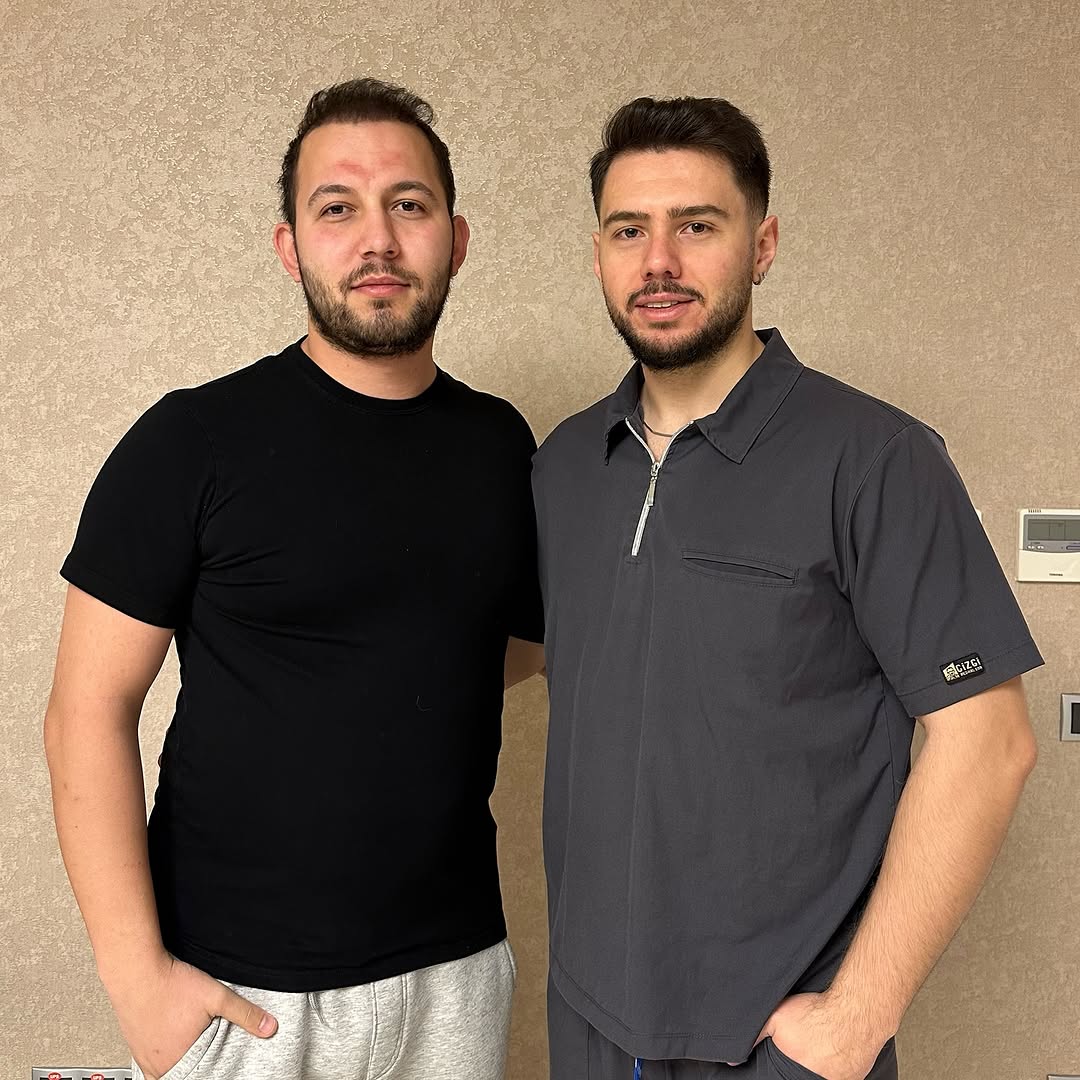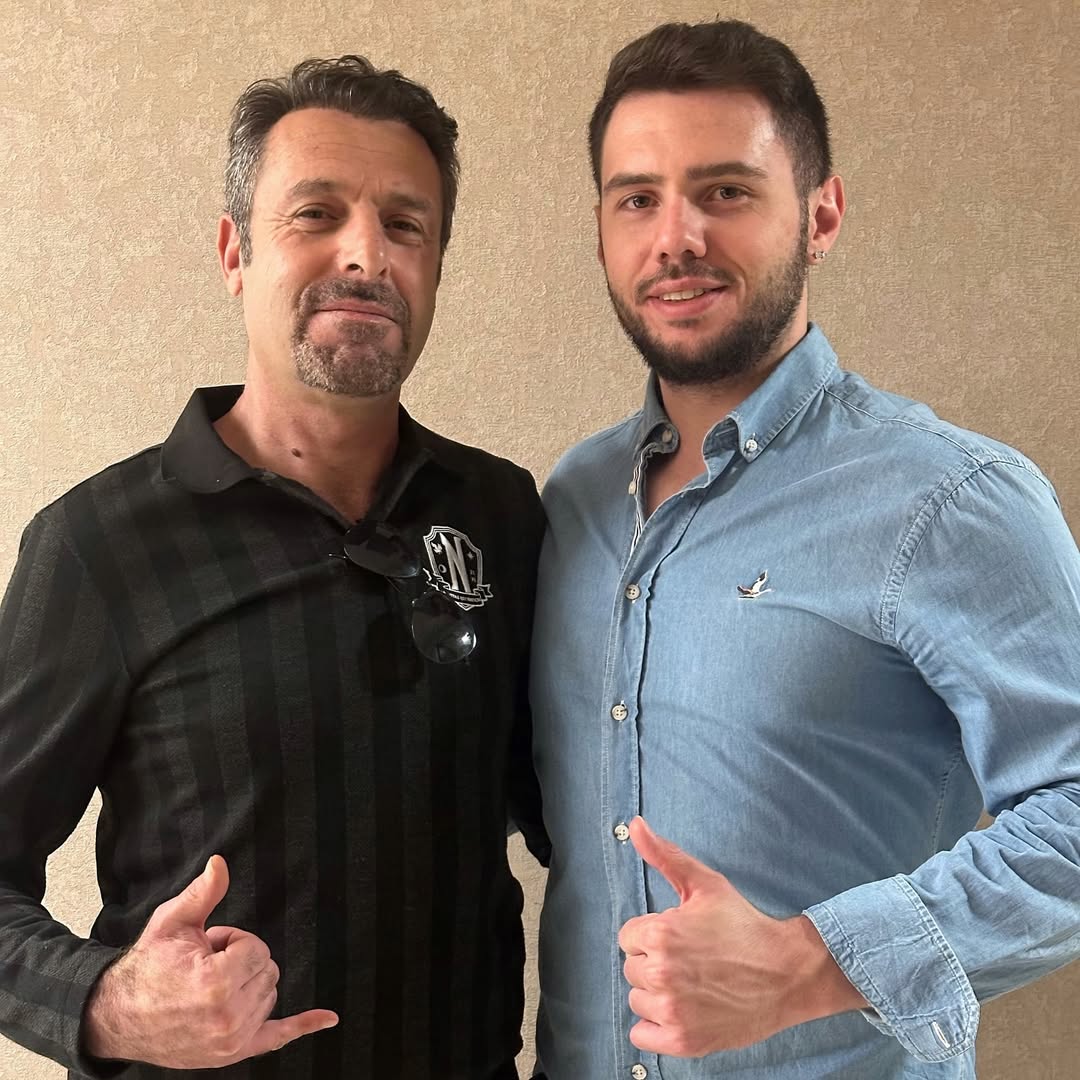


The Art of Beard Transplantation


The Art of Beard Transplantation: Subtleties of Direction, Angle, and Natural Frame Design
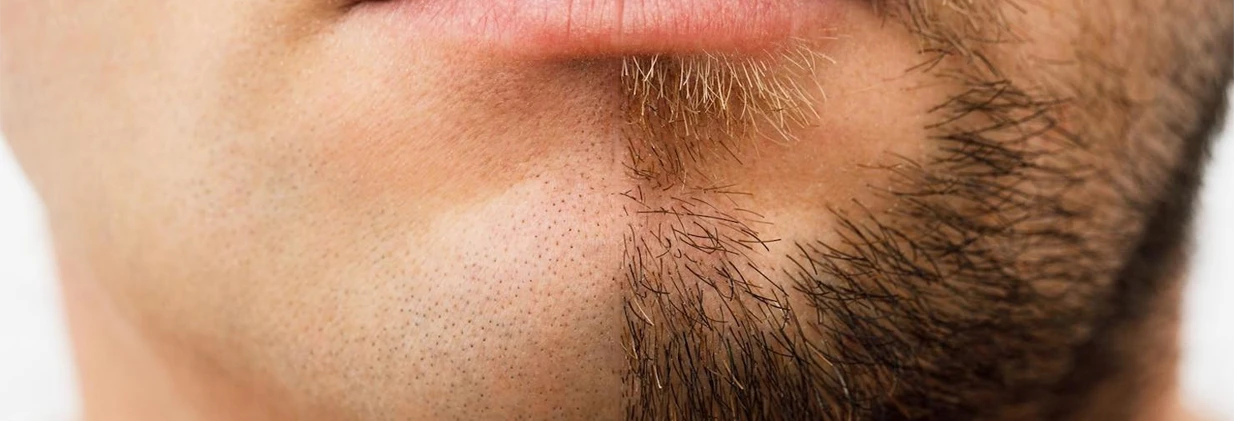
In male aesthetics, the beard is not just a covering of hair but the most strategic element that determines the architecture of the face, strengthens expression, and reveals masculine character. For men deprived of this aesthetic power due to genetic beardlessness, scars, or sparse beard structure, beard transplantation is a life-changing solution.
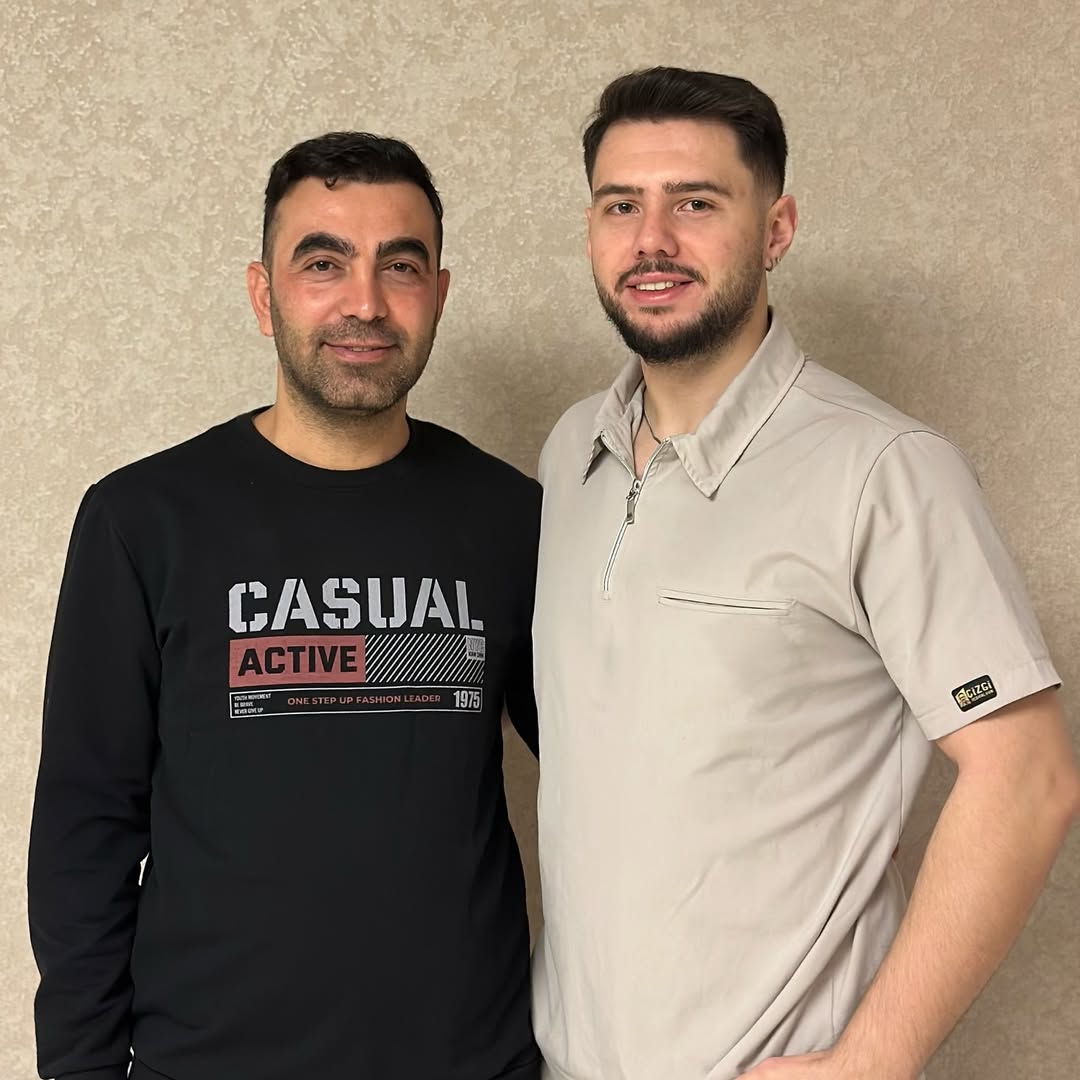
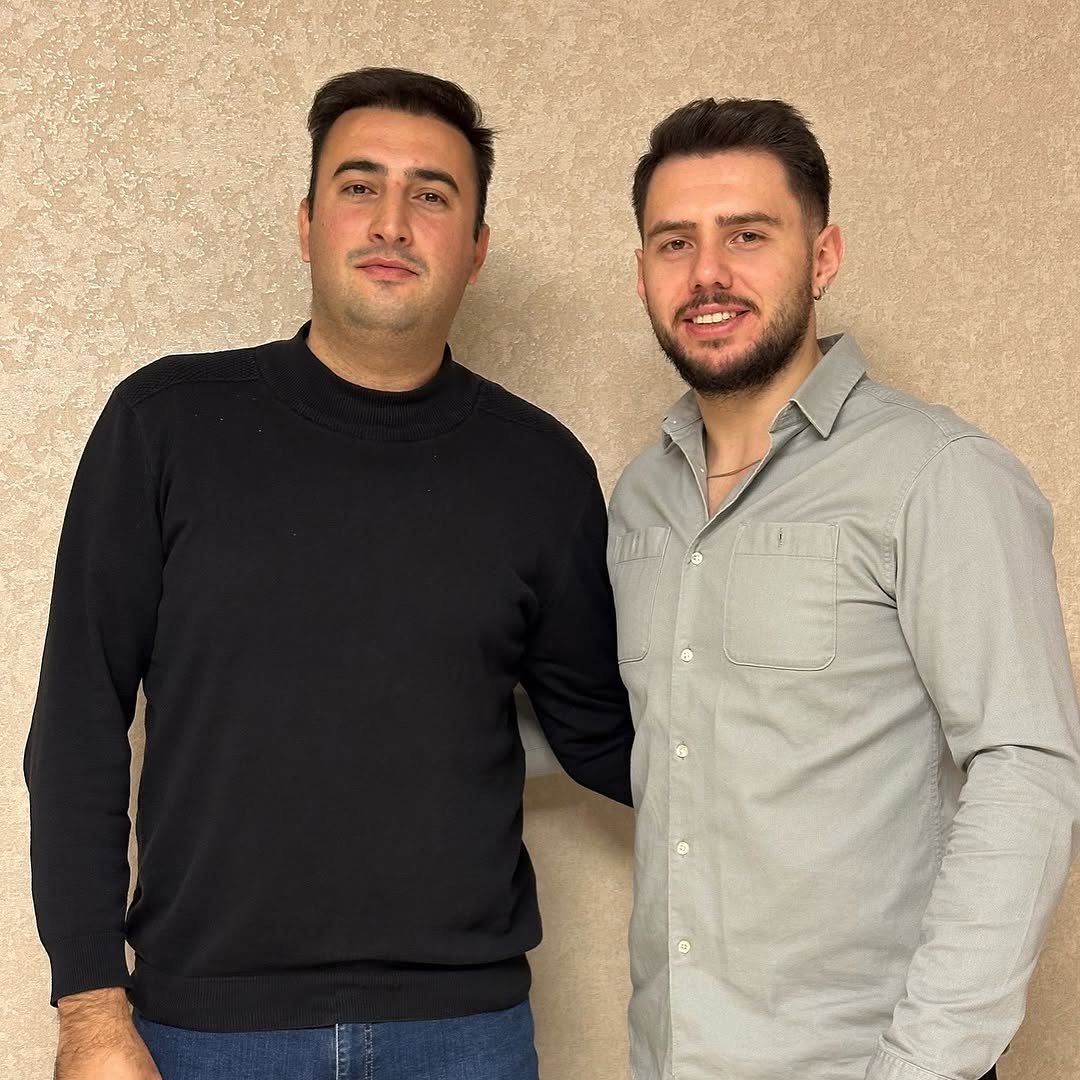
However, beard transplantation requires much more complex micro-engineering and artistic vision than a standard hair transplant. The face is a region that is constantly in motion, shaped by expressions, and is the first place everyone looks. Therefore, in beard transplantation, there is no concept of “good enough”; the result must be “flawless.” As the Görkem Kazan Hair Transplant clinic, we examine in depth the three vital parameters that distinguish a successful beard transplant from an ordinary operation: Direction, Angle, and Natural Frame Design.
A successful beard transplant is like a painter applying brush strokes to a canvas; each graft (hair follicle) must serve the anatomical curves of the face, the reflection of light, and the natural flow. To ensure this harmony, the surgeon must possess not only technical knowledge but also a high level of aesthetic perception.
1. Natural Frame Design: Capturing the Face’s Golden Ratio
Beard transplantation begins with the surgeon taking a pen and drawing the new beard boundaries on your face. This stage is the “drafting” phase of the operation and determines the aesthetic quality of the result by 50%. The critical details to consider when creating a “Natural Frame” are:
Cheek Line (Upper Border): Symmetry and Transition
The cheek line determines the uppermost limit of the beard and directly affects the facial expression. The biggest mistake made is drawing this line straight and sharp as if with a ruler. In nature, no beard starts with a razor-sharp line.
- Gradient Effect: For a natural look, very fine, single grafts should be implanted at the starting point of the cheek line in a slightly scattered and asymmetrical manner. This gives the impression that the beard is gradually thickening and prevents artificiality.
- Fit to Facial Line: The line should be designed on an imaginary curve between the cheekbone and the corner of the lip (commissure). A beard that covers the face from too high up can make the person look suffocated, while a line that is too low can make the face appear wider than it is.
Neck Line (Lower Border): Aesthetic Balance
Determining the neck line is critical for the profile view and the aesthetics of the “double chin” area. The ideal neck line should pass approximately 1.5 – 2 cm above the Adam’s apple (laryngeal prominence). Extending this line in a curve towards the earlobes makes the neck look longer and the jawline stronger.
2. Angle: The Secret to Beard Naturalness (The 10-15 Degree Rule)
The technical detail that hair transplant surgeons struggle with the most in beard transplantation is the implantation angle. While hair on the scalp generally emerges at an angle of 40-45 degrees, hair on the face is much more faithful to the skin.
- Necessity of Flush Implantation: Beard hairs emerge almost stuck to the skin at an extremely narrow angle of 10 to 15 degrees. If the surgeon implants with the 30-40 degree angle habitual in hair transplantation, the beard will grow straight out (like hedgehog spines) instead of running parallel to the skin as it lengthens.
- Tactile and Visual Error: Beards implanted upright not only look bad but also feel hard to the touch, prickle when washing, and cause irritation when shaving.
- Role of the DHI Technique: To achieve such a narrow angle (almost tangential to the skin), the DHI (Choi Pen) technique, which performs channel opening and implantation simultaneously, is a necessity. The pen allows the surgeon to perform this delicate maneuver.
3. Direction: Mimicking the Flow of Facial Anatomy
Beard hairs do not face the same direction in every region of the face. The face is a three-dimensional and curved structure; beard hairs are also within a “flow” that follows these curves. A successful surgeon must divide the face into different zones and change the direction of their hand in each zone:
- Sideburn Area: Hairs follow a completely vertical descent from in front of the ear downwards.
- Cheeks and Connection Point: Moving from the sideburns to the cheeks, hairs begin to direct not only downwards but also slightly forwards (towards the corners of the mouth).
- Mustache Area: While hairs under the nose descend vertically, they become horizontal and flow outwards towards the edges of the lips.
- Chin and Neck: Hairs flow downwards at the tip of the chin, while “cowlicks” (girdaps) in the neck area vary from person to person, and this complex structure may need to be mimicked for a natural look.
Scientific articles published in the National Library of Medicine (NCBI) emphasize that the most important factor determining patient satisfaction in facial hair restoration is the successful replication of these natural anatomical directions.
Graft Selection: Single or Multiple?
Another secret of a natural beard is the structure of the grafts used. While double or triple hair follicles (follicular units) provide an advantage on the scalp, this is a disaster in the beard area. Natural beard hairs always emerge as single hairs. Therefore, grafts harvested from the donor area (nape) must be separated under a microscope, and only single grafts should be implanted in the beard area. Implanting multiple grafts causes a patchy and artificial appearance like “doll hair” on the beard.
The International Society of Hair Restoration Surgery (ISHRS) states that transplants in the facial area require a different expertise and artistic ability than hair transplants, making the choice of surgeon much more critical.
Conclusion: Do Not Risk Your Face
Beard transplantation is a procedure that does not accept errors. Correcting thousands of roots implanted with the wrong direction and angle is much more difficult, costly, and traumatic than starting a transplant from scratch. As Görkem Kazan Hair Transplant, we view beard transplantation not just as a medical procedure but as a work of art that reveals the character of your face. You can contact us to complete your charisma with the correct angle, the most natural direction, and the frame most suitable for your face.