

The Newest Weapon Against Hair Loss: Stem Cells and Exosomes

The Newest Weapon Against Hair Loss: Stem Cells and Exosomes
The fight against hair loss has gone through many different stages over the years, from vitamins to lotions, medications to surgical methods. However, staggering developments in the field of regenerative medicine in recent years have added a completely new and much more powerful dimension to this struggle: Stem Cell and Exosome Therapies. Now, the goal is not just to slow down shedding or fill in gaps, but to repair, rejuvenate, and biologically revitalize hair follicles at the cellular level. These treatments are considered the newest, most natural, and most effective “weapons” developed against hair loss. As the Görkem Kazan Hair Transplant clinic, we explain in detail the scientific basis of these revolutionary technologies and their promising future in hair restoration.
Stem cell and exosome therapies focus on the weakening and shrinking (miniaturization) of the hair follicle, which is the root cause of hair loss. By utilizing the body’s own repair potential, they aim to reverse this process and essentially give the hair follicles a “youth vaccine.” This holds the potential to offer a permanent and biological solution beyond traditional methods.
The Two Main Actors of the Revolution: Stem Cells (SVF) and Exosomes
The power of these next-generation therapies comes from two main components:
1. Stem Cells (SVF – Stromal Vascular Fraction): The Body’s Master Repairers
Stem cells are the foundation of our body’s natural repair mechanism that activates when damage occurs. The stem cells used in hair treatment are usually a rich cellular mixture obtained from the patient’s own fat tissue, called SVF (Stromal Vascular Fraction). Within SVF, there are millions of:
- Mesenchymal Stem Cells (MSCs): Master cells capable of differentiating into various cell types and sending potent repair signals.
- Endothelial Progenitor Cells: Cells that increase blood supply by forming new blood vessels.
- Growth Factors and Other Repair Cells: Biologically active molecules that support tissue regeneration and healing.
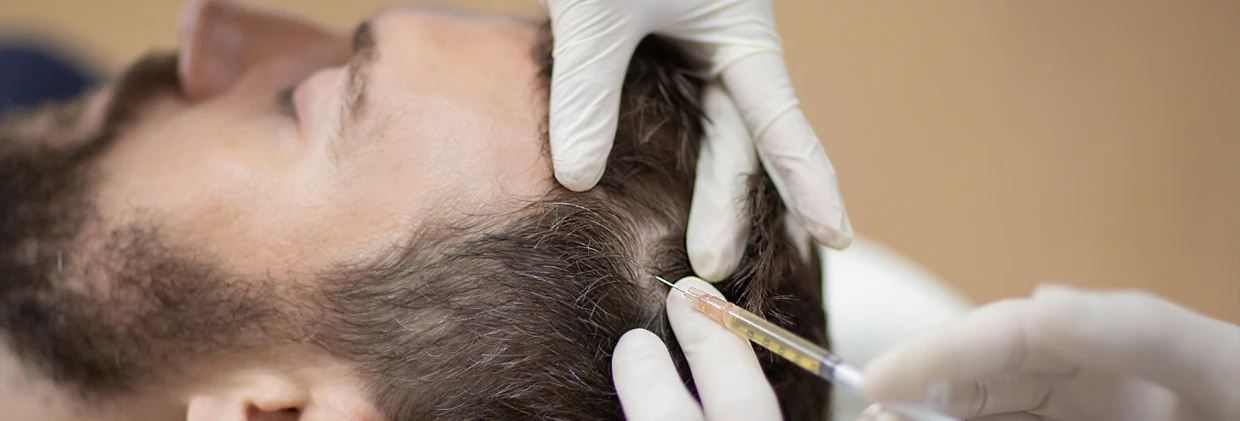
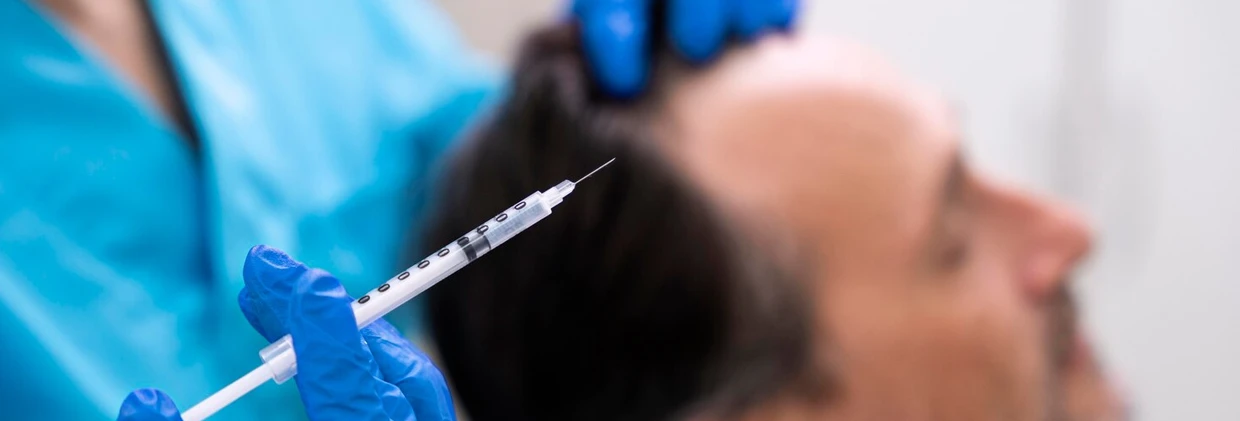
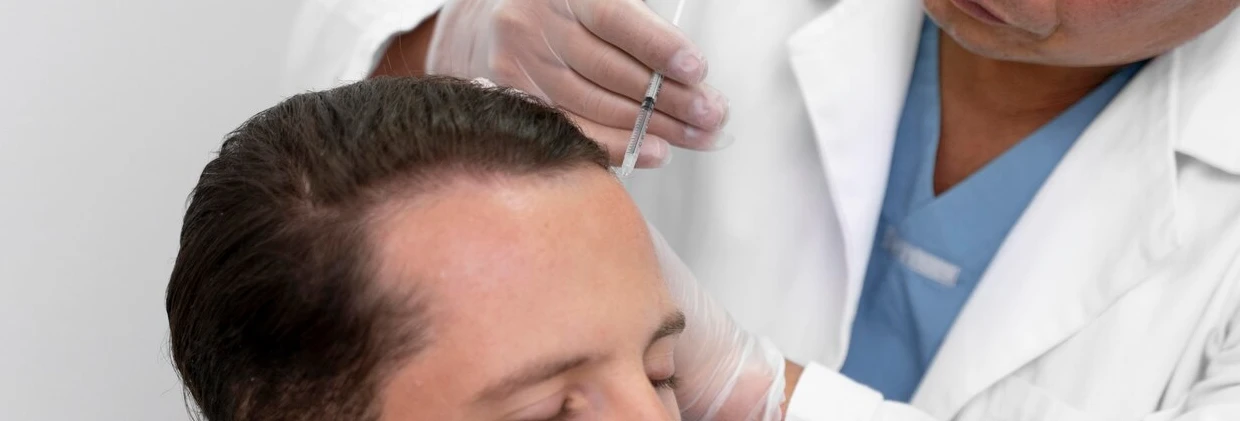
When SVF is injected into the scalp, this rich content restructures and revitalizes weakened follicles.
2. Exosomes: Nano Messengers of Cellular Communication
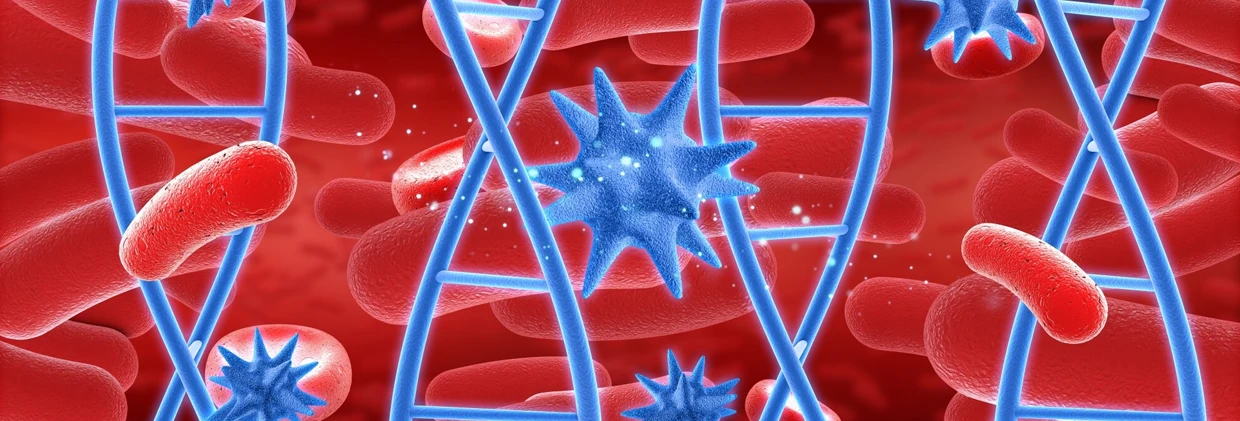
Exosomes are nano-sized (very small) vesicles secreted by stem cells. Inside, they carry genetic information (mRNA, miRNA) and proteins that convey the restorative power of stem cells. Exosomes travel from one cell to another, delivering a “message” or “instruction.” The exosomes used in hair treatment give the hair follicles direct instructions such as:
- “Wake up and enter the growth phase (anagen)!”
- “Repair yourself and get stronger!”
- “Increase your nourishment by forming new blood vessels!”
Exosome therapy utilizes these pure messengers from stem cells to create a targeted and very powerful regenerative effect.
How Do Stem Cells and Exosomes Stop Hair Loss?
The effectiveness of these treatments against hair loss is based on three fundamental biological mechanisms:
- Follicle Revitalization and Reversal of Miniaturization: Stem cells and exosomes push follicles from the resting phase (telogen) into the active growth phase (anagen). They re-thicken follicles that have shrunk due to DHT in genetic hair loss, thus strengthening thin hairs and making the hair appear fuller.
- Intensive Increase in Blood Supply (Angiogenesis): The treatments strongly trigger the regeneration of the capillary network feeding the hair follicles. Increased blood flow supports healthy growth by carrying more oxygen and nutrients to the follicles.
- Anti-Inflammatory Effect: They suppress the chronic inflammation underlying hair loss, allowing the hair follicles to grow in a healthier environment.
What Are the Differences from PRP and Mesotherapy?
Stem cells and exosomes offer more advanced and potentially more permanent solutions compared to PRP and mesotherapy:
- PRP vs. Stem Cell/Exosome: PRP uses ready-made growth factors from platelets (its effect is more limited and temporary). Stem cells are the cells that produce these factors, or exosomes deliver the production instruction directly to the cell (their effect is longer-lasting and deeper).
- Mesotherapy vs. Stem Cell/Exosome: Mesotherapy provides external vitamin/mineral supplements to the follicles (nutritive). Stem cells/exosomes trigger the follicle’s own self-repair and renewal mechanism (regenerative/restorative).
Who Are They Suitable For and What is Their Role in Hair Transplantation?
Stem cell and exosome therapies are particularly ideal for the following situations:
- Male and female patients in the early and moderate stages of hair loss, whose follicles are still alive but weakened.
- Those seeking a powerful and biological non-surgical solution.
- Those who want to increase the success of their FUE or DHI hair transplant operations. When applied together with transplantation, these treatments both accelerate healing and increase the survival rate and quality of the transplanted grafts.
The treatment is usually applied in a single session, and its effects emerge gradually over months. Although seeing the results requires patience, the revitalization achieved is long-lasting. Scientific studies on the efficacy and safety of these treatments are rapidly increasing. Publications on this topic can be accessed on platforms like the National Library of Medicine (NCBI).
In the war against hair loss, stem cells and exosomes represent the newest and most exciting front offered by science. To revitalize your hair with these natural and powerful weapons and create a personalized treatment plan, you can contact the specialists at Görkem Kazan Hair Transplant.