

What You Need to Know Before the Operation: The SCAR Transplant Preparation Process

What You Need to Know Before the Operation: The SCAR Transplant Preparation Process
SCAR Transplantation (Hair Transplantation on Scar Tissue) is one of the most delicate and challenging areas of hair restoration surgery. Unlike a standard hair transplant, the target in this procedure is not a healthy scalp, but scar tissue with poor blood circulation and a hardened structure. Therefore, the success of the operation depends not only on the surgeon’s skill but also on how well the patient is prepared for the operation. A proper preparation process directly affects the survival rate of the transplanted grafts and determines the quality of the final result. As the Görkem Kazan Hair Transplant clinic, we detail the critical steps and the preparation process you need to know before this special operation.
Preparing for a SCAR transplant is like training for a marathon; it aims to make the body and the scar tissue as resilient as possible against the biological stress of the operation. This process begins with an expert consultation and includes a series of conscious steps leading up to the day of the surgery. Taking the preparation process seriously ensures you get the best return on this delicate investment.
The First and Most Important Step: Expert Consultation and Scar Analysis
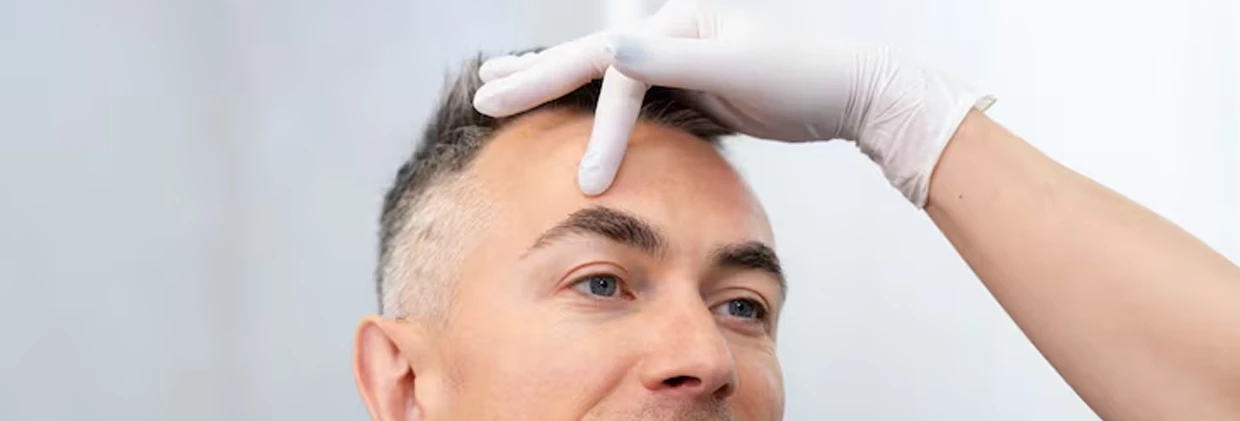
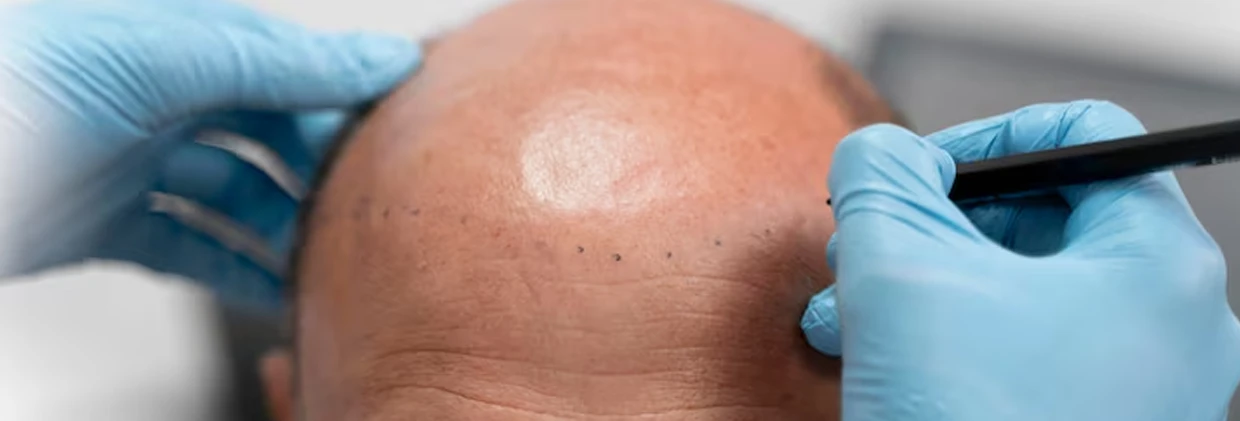
The decision for a SCAR transplant requires a much more comprehensive pre-assessment than a standard hair transplant. At this stage, the surgeon performs the following analyses to determine if the operation is appropriate and its potential for success:
- Physical Scar Assessment: The surgeon physically examines the scar to evaluate its type, age, thickness, flexibility, and, most importantly, its level of blood circulation (vascularization). The success rate is higher in thin, flexible scars with relatively better blood supply, while the operation can be more challenging on thick, hard (keloid or hypertrophic), and pale scars.
- Donor Area Analysis: A comprehensive hair analysis measures the density and quality of your donor area (back of the head). The surgeon determines if there are enough healthy grafts to camouflage the scar and whether this harvesting will harm the donor area.
- Realistic Expectation Management: An expert surgeon transparently explains the achievable goals based on these analyses. It should be discussed from the outset that, due to the nature of scar tissue, achieving the same density as on a normal scalp in a single session might be difficult and a second session may be planned if necessary.
Weeks Before the Operation: Biologically Preparing the Body and the Scar
One of the most impactful steps for the success of the operation is making the scar tissue “ready” for transplantation. This usually begins 1-2 months before the surgery:
Biological Support Treatments (PRP/Stem Cell): An Almost Mandatory Step
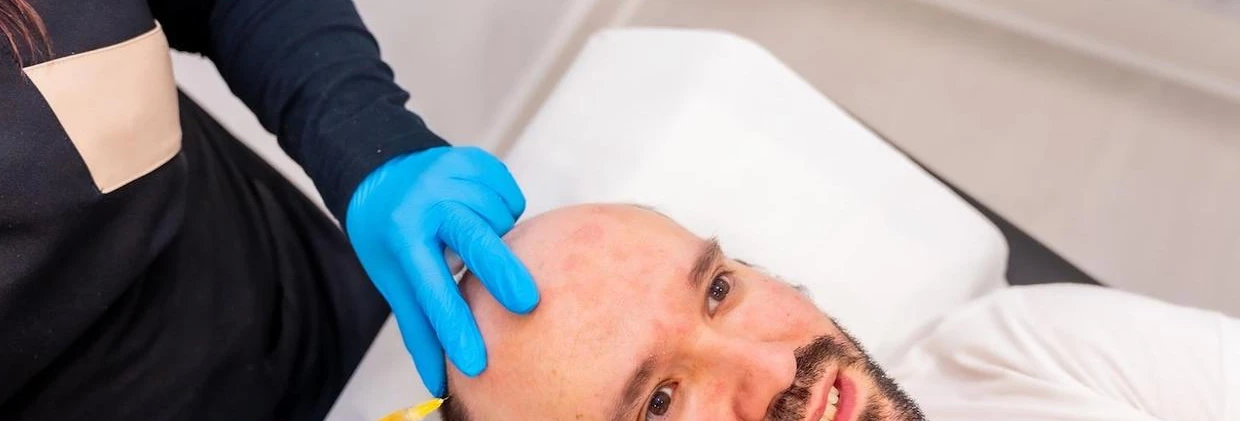
The biggest obstacle in SCAR transplantation is the weak blood flow of the scar tissue. Applying PRP (Platelet-Rich Plasma) or stem cell/exosome treatments before the operation directly increases the success rate. These treatments:
- Trigger the formation of new capillaries (angiogenesis) in the scar area.
- Improve the quality and flexibility of the scar tissue.
- Create a more “fertile” and nourishing environment for the grafts to be implanted.
This pre-operative preparation significantly increases the survival chances of the transplanted grafts.
Diet and Vitamin Supplements
It is recommended to pay attention to your diet at least one month before the operation to increase your body’s healing capacity. Adopting a diet rich in Zinc, Vitamin C, and Protein, which are critical for wound healing, prepares your body for the operation.
1 Week Before the Operation: Final Critical Instructions
As the operation approaches, you must avoid any factors that could affect your blood circulation and clotting balance:
- Stopping Blood Thinners and Supplements: All medications and supplements with blood-thinning potential, such as Aspirin, Vitamin E, fish oil, ginseng, and green tea, should be discontinued at least 7-10 days before the operation with your doctor’s approval. This minimizes the risk of bleeding during and after the surgery.
- Alcohol and Smoking Ban: Smoking constricts blood vessels, critically reducing the amount of oxygen going to an already poorly vascularized area like a scar. Alcohol can increase bleeding. For the success of the operation, it is absolutely mandatory to completely stop smoking and drinking alcohol at least one week prior. Organizations like the International Society of Hair Restoration Surgery (ISHRS) constantly warn patients about the negative effects of smoking on graft survival.
- Hair Care: Avoid applying any chemicals (dye, gel, spray, etc.) to your hair in the week before the operation. If you are using topical medications like Minoxidil, you may need to pause as directed by your doctor.
What to Know on the Day of the Operation
Arriving comfortable and prepared on the day of the operation will help the process go smoothly:
- Choice of Clothing: Come to the clinic wearing comfortable, button-down or zip-front shirts with a wide collar that you can easily put on and take off over your head. This eliminates the risk of touching the transplanted area after the operation.
- Breakfast: It is recommended to have a light but nutritious breakfast before the operation.
- Time Planning: SCAR transplantation may take longer than a standard hair transplant due to its delicate nature. Plan your day accordingly.
SCAR transplantation is a life-changing operation whose success rate can be significantly increased with the right preparation process. This process is a partnership between you and your expert surgeon. While our clinic supports your biological preparation with the latest technologies, your meticulous adherence to the instructions will ensure that this challenging but rewarding journey concludes with the best possible result. To create a personalized preparation and operation plan for your scar, you can contact us.