

What Are Exosomes and How Do They Revitalize Hair Follicles?

What Are Exosomes and How Do They Revitalize Hair Follicles?
What Are Exosomes? – Hair loss treatments have gained a new dimension with the discovery of stem cell technologies. The most exciting and newest frontier of this advancement is **Exosomes**, hailed as the nano-sized miracle of regenerative medicine. Exosomes scientifically represent the purest and most potent form of cellular repair. Considered the **next-generation** treatment after PRP (Platelet-Rich Plasma) therapy, Exosomes have the potential to reverse shedding and revitalize follicles by sending direct cellular instructions to the hair roots. As the Görkem Kazan Hair Transplant clinic, we detail what Exosomes are, their scientific mechanism, and the revolutionary role of this advanced therapy in hair restoration.
Exosome therapy is a cellular communication method, based on biological information, that aims to rejuvenate and revitalize hair follicles. The follicular miniaturization that is the primary cause of hair loss is targeted by the restorative cargo carried by Exosomes. This transforms the treatment from a mere nutritional supplement into a **”software update”** at the cellular level. As a result, thinned and weakened hair strands regain their genetic resistance and thicken.
What Are Exosomes? The Nano-Sized Messengers of Intercellular Communication
Exosomes are microscopic vesicles (bubbles) with diameters ranging from 30 to 150 nanometers, naturally secreted by cells. These nanoparticles form the basis of intercellular communication and carry:
- Growth Factors: Proteins that stimulate tissue regeneration.
- mRNA and miRNA (Molecular Instructions): Genetic information packages that tell the target cell what to do.
- Proteins and Lipids: Components that repair and protect the cell membrane structure.
Exosomes are secreted in high amounts, particularly by **mesenchymal stem cells**. This means that Exosomes carry a large part of the stem cells’ healing power without the cell itself. Thanks to these properties, Exosome therapy is the purest and most concentrated form of stem cell treatment.
How Do Exosomes Revitalize the Hair Follicle?
The regenerative effect of Exosomes on hair follicles is achieved through direct molecular instructions sent to the surrounding cells, especially the Dermal Papilla (DP) cells. This revitalization is provided by three main mechanisms:
1. Awakening Dormant Follicles and Reversing Miniaturization
Exosomes reach the DP cells that are stuck in the resting (telogen) or transitional (catagen) phases due to shedding. Through the mRNAs they carry, they instruct these cells to re-enter the proliferative and growth phase (anagen). This enables miniaturizing hair follicles to thicken again, meaning the thinning hair **grows fuller**.
2. Strengthening Blood Flow and Nourishment (Angiogenesis)
Exosomes are rich in important growth factors like Vascular Endothelial Growth Factor (VEGF), which accelerate the formation of the capillary network (angiogenesis) that feeds the hair follicle. Strong blood flow guarantees the delivery of critical oxygen and nutrients to the follicles, which increases the quality of emerging hair and prolongs the life of existing hair.
3. Anti-Inflammatory and Repair Effect
One of the underlying causes of hair loss is chronic scalp inflammation and fibrosis (hardening). Exosomes have powerful anti-inflammatory properties. They reduce inflammation on the scalp, preparing the ground necessary for hair follicles to grow in a healthy environment. This restorative effect also accelerates wound healing after hair transplantation.
Exosome Therapy vs. PRP: Why the Next Generation?
Exosome therapy takes the path of regeneration discovered by PRP to a much more precise and effective level:
| Feature | PRP (Platelet-Rich Plasma) | Exosome Therapy |
|---|---|---|
| Content/Source of Power | Platelets and General Growth Factors. | Nano-vesicles containing specific genetic instructions (mRNA) released from Stem Cells. |
| Mechanism | General nourishment and stimulation. | Targeted instruction telling the cell “What to Do.” |
| Quality Consistency | Varies depending on the patient’s age, health, and platelet count. | Quality is highly consistent as they are produced in a laboratory environment. |
| Application Area | Hair loss and wound healing. | Same areas as PRP, but with higher regenerative potential. |
In summary, while PRP is like a “fertilizer,” Exosomes are like “code” or “instructions” telling the soil how to be processed. Therefore, Exosomes can convey a much clearer and stronger biological message to the hair follicles.
Who is Exosome Therapy Ideal for, and When is it Applied?
Exosomes are ideal for candidates whose hair follicles are still alive but weakened, especially:
- Early and Moderate Stage Shedding: To thicken hair undergoing miniaturization and permanently slow down shedding.
- Hair Transplant Support Therapy: To maximize the graft survival rate and healing speed when applied immediately after FUE or DHI operations.
- PRP Non-Responders: For patients whose platelet quality is low, Exosomes offer a powerful alternative to achieving the expected results from PRP.
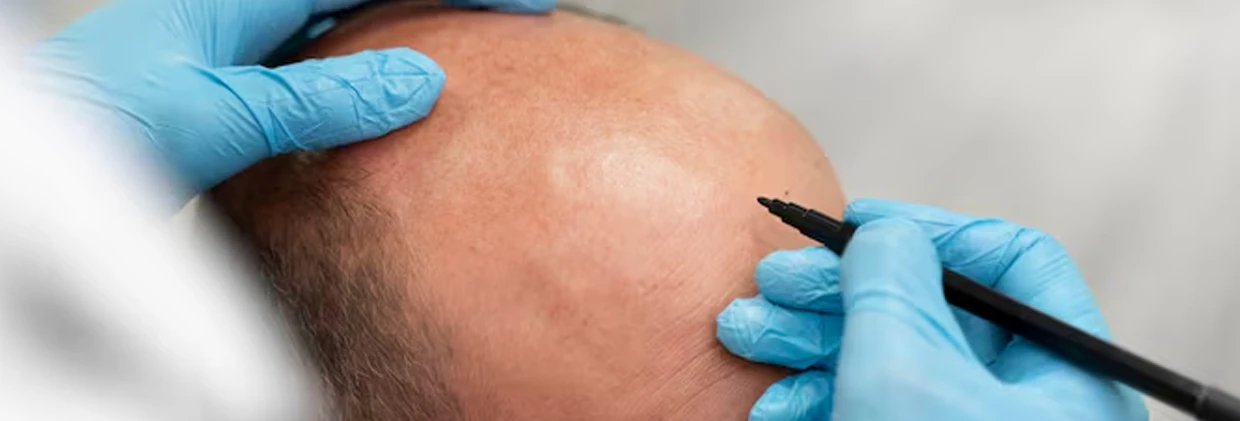
The treatment is administered by injection with micro-needles into the scalp and typically involves a short protocol of several sessions. The final results of the treatment (hair thickening and density) are observed between 6 and 12 months. Patience and expert follow-up are crucial during this period. Organizations like the International Society of Hair Restoration Surgery (ISHRS) emphasize the importance of applying such new-generation treatments according to ethical and scientific standards.
If you are seeking the most current and scientific solution for hair loss, Exosome therapy is a revolutionary step that sends a direct cellular instruction to your hair follicles, restoring their code of youth. You can contact us at Görkem Kazan Hair Transplant clinic for a personalized analysis and treatment plan.