

Who is DHI Hair Transplantation an Ideal Choice for?

Who is DHI Hair Transplantation an Ideal Choice for?
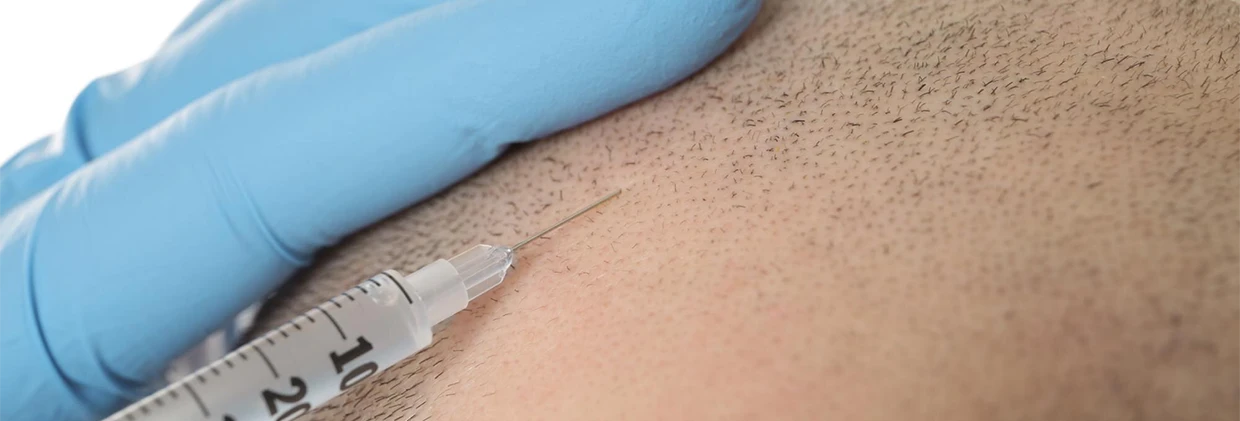
DHI Hair Transplantation – After hair transplant technologies made significant strides with Follicular Unit Extraction (FUE), they reached the pinnacle of micro-surgical precision with the Direct Hair Implantation (DHI) technique. DHI is a revolutionary method that allows for the direct implantation of grafts using a special Choi Implanter Pen. However, this technical superiority does not automatically make DHI the “best” choice for every patient. On the contrary, DHI is an ideal choice for patients with specific needs and biological conditions that maximize its unique advantages. As the Görkem Kazan Hair Transplant clinic, we detail the ideal candidate profile who will best utilize the precision offered by the DHI technique and the reasons for this preference.
The fundamental difference of DHI is that immediately after the graft is harvested, the surgeon places the follicle directly into the recipient area without the need to pre-open channels. This single-step process minimizes the time grafts spend outside the body, reduces the risk of trauma, and consequently increases the graft survival rate. This precise mechanism makes DHI indispensable for certain patient groups.
Candidate Profiles That Maximize DHI’s Advantages
DHI is a primary choice, especially for patients expecting precision, density, and a fast return to social life from their hair transplant:
1. Those Needing Densification, Not Complete Coverage
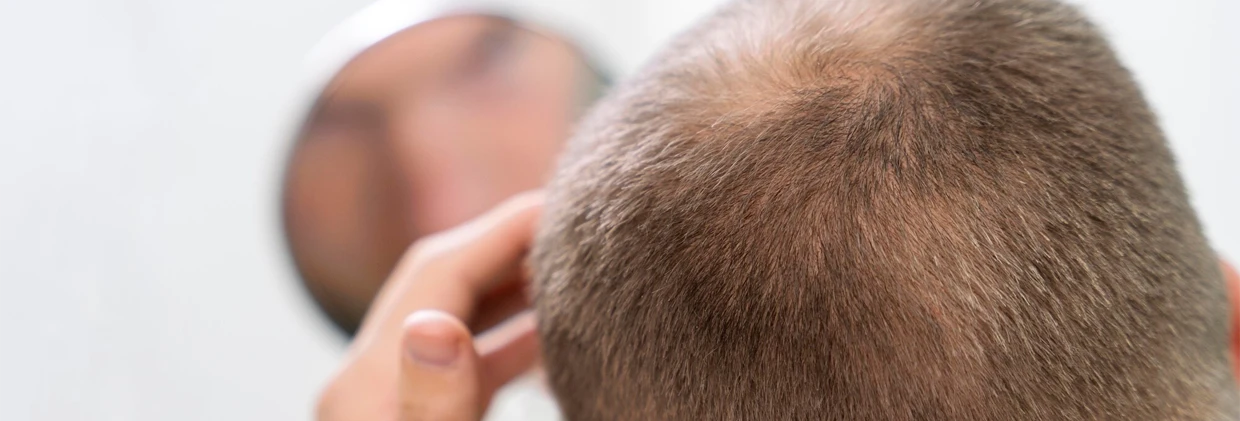
The most ideal use case for DHI is in areas where hair is not completely bald but has lost density due to thinning and sparseness. Thanks to the Choi Pen Technique:
- Preservation of Existing Hair: DHI reduces the risk of damaging surrounding existing hair follicles during implantation to almost zero. This allows for safe implantation among existing hairs.
- High-Density Potential: The pen’s fine tip enables the surgeon to implant grafts at closer intervals per unit area. This is a major advantage for patients who want to generally thicken their hair and have high-density expectations.
Therefore, DHI is an excellent solution for patients in the early and moderate stages of hair loss who need “infill.”
2. Those Requesting Unshaven or Partially Shaven Transplantation (Including Female Patients)
Post-transplant appearance and a quick return to social life are critically important for many patients, especially women. DHI is the method that best meets this expectation:
- Female Hair Transplant: Since hair loss in women is usually diffuse thinning and hair is long, DHI allows for unshaven transplantation. This ensures that scars or shaved areas are unnoticeable after the operation, and the patient can continue their work and social life without interruption.
- Men Seeking Discretion: For male patients who do not want to shave their head entirely, want the operation to be discreet, and seek to shorten the recovery time, DHI is an option that requires minimal or no shaving.
3. Those Seeking Precision in the Frontal Hairline and Aesthetic Areas
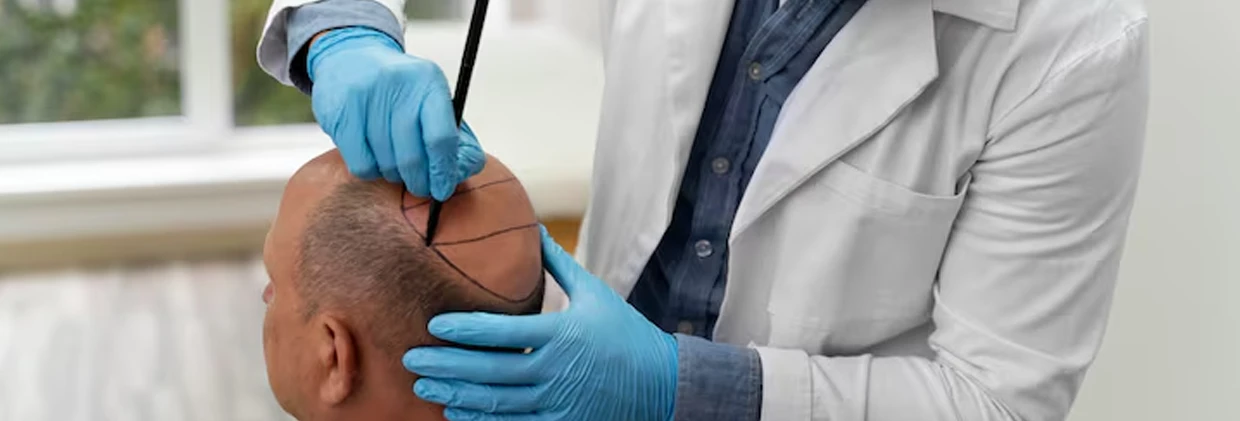
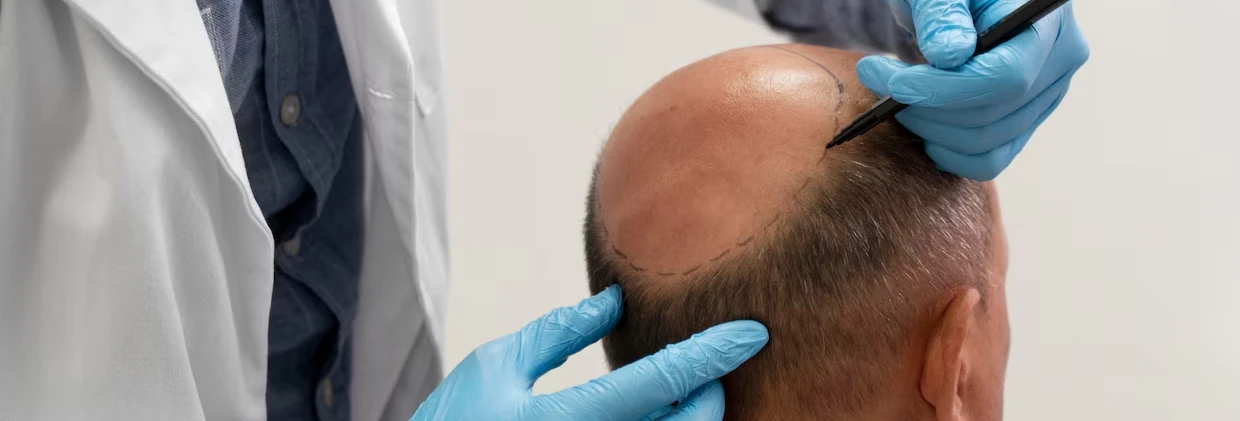
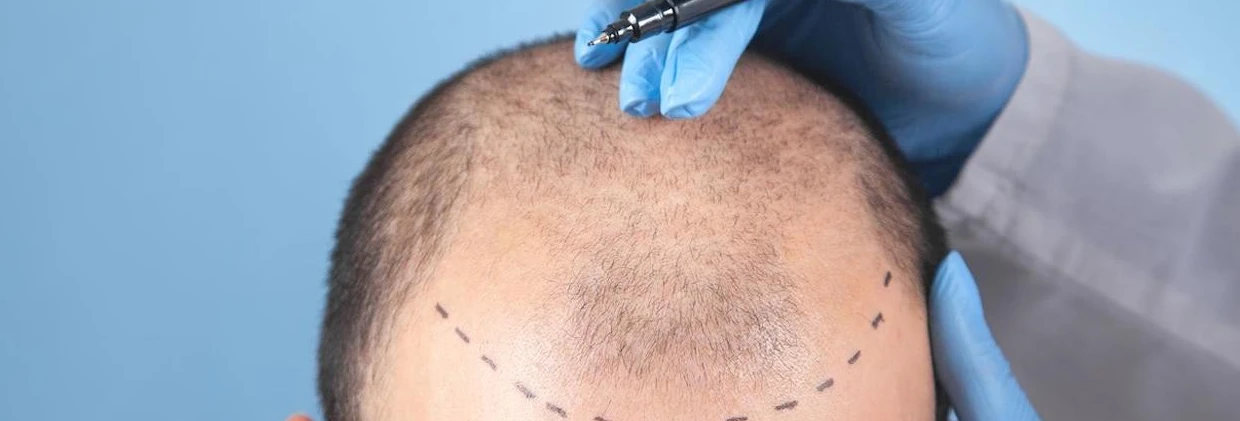
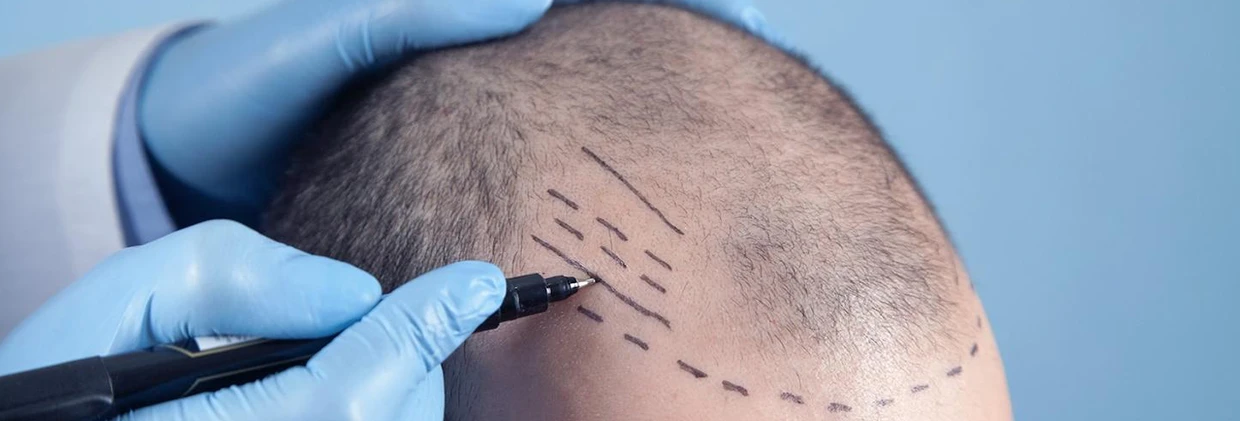
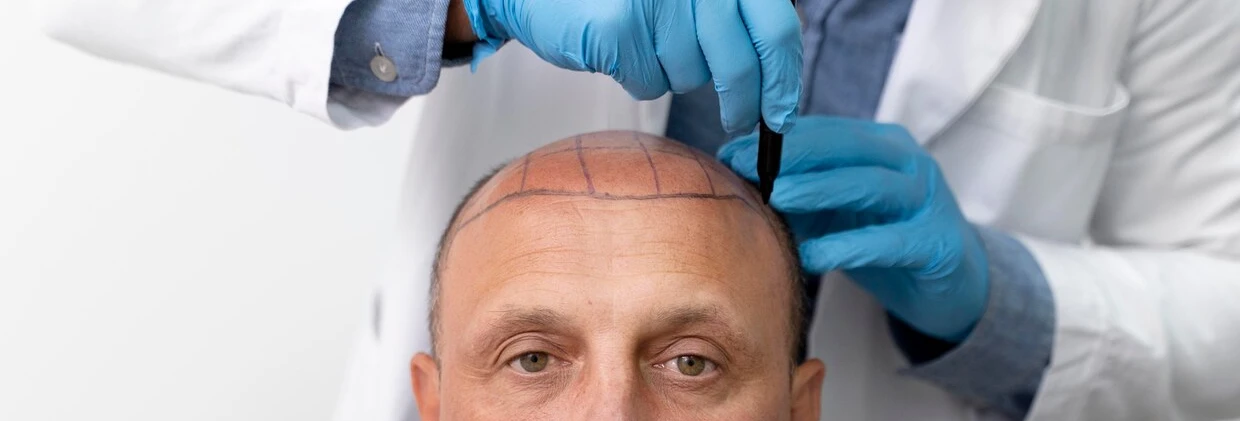
The frontal hairline is the most important area determining the naturalness of the appearance. The DHI pen provides the surgeon with the ability to control the grafts’ angle, direction, and depth with millimetric precision. This control allows for the flawless imitation of the natural flow of hair in the hairline, crown, and temporal areas. DHI is the tool that best reflects the surgeon’s artistic vision in situations requiring such aesthetic precision. The International Society of Hair Restoration Surgery (ISHRS) emphasizes the importance of micro-surgical precision, especially in aesthetic zones.
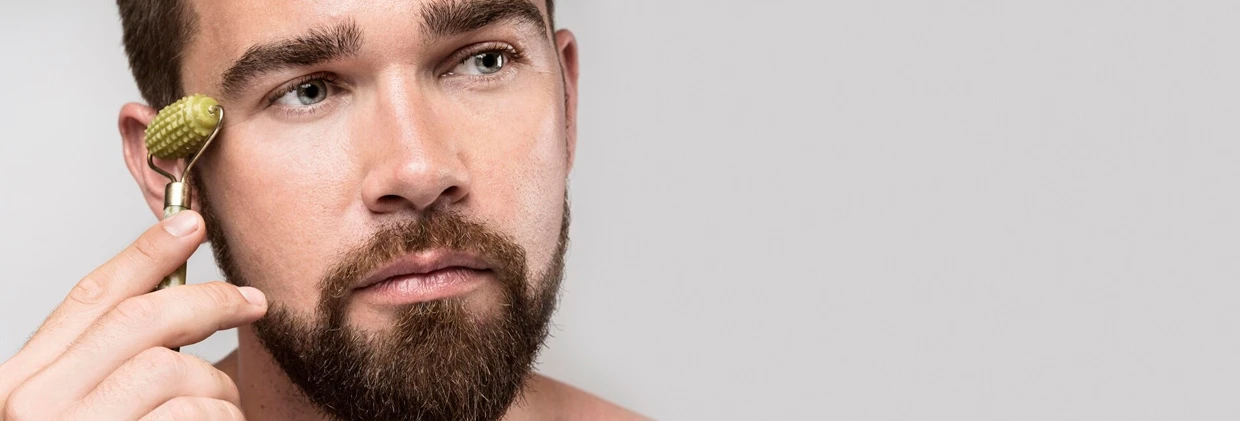
4. Those Undergoing Beard, Mustache, and Eyebrow Transplants
Hair transplants in the facial area require much greater angle precision than the scalp. Beard hairs emerge almost parallel to the skin (10–15 degrees). Since the DHI pen makes it possible to adjust this ultra-low angle, it is ideal for achieving the most natural results in beard, mustache, and eyebrow transplants.
The Biological Approach That Reinforces DHI Success
The high success achieved with the DHI technique must be reinforced with biological support therapies. Although the grafts spend less time outside the body, they require additional energy to accelerate their adaptation to the new location:
- Increasing Graft Viability: Adding growth factors to the solution where grafts are stored during the operation and applying PRP or stem cell support treatments after implantation maximizes the survival rate and accelerates healing. This reduces the risk of graft loss, especially for DHI patients undergoing dense implantation.
The Decision-Making Process: Why is Analysis Mandatory?
Deciding whether DHI is right for you requires a detailed analysis by a specialist. While DHI offers high-density potential, it is generally not used for transplanting as many grafts in a single session as FUE. Therefore, for cases of extensive balding or advanced hair loss, FUE might be more suitable.
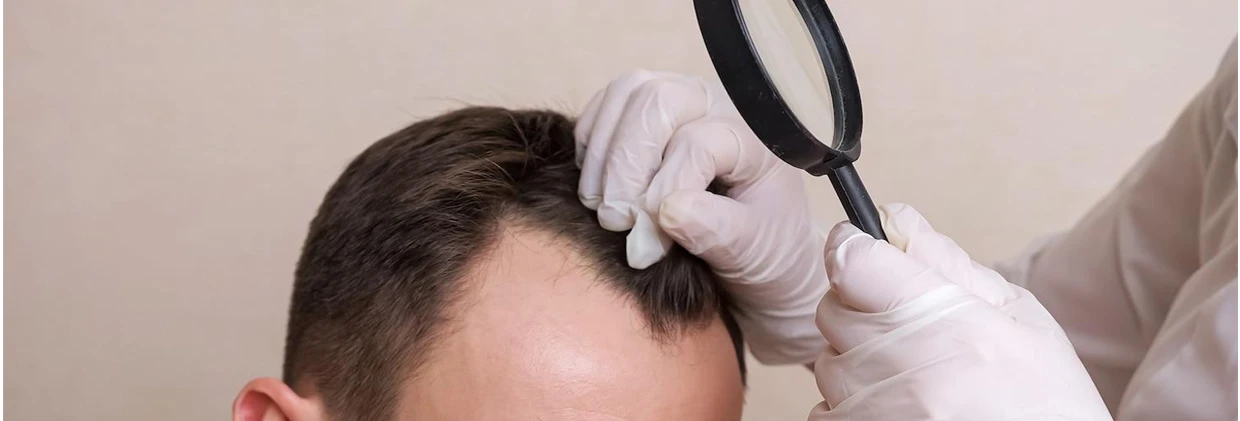
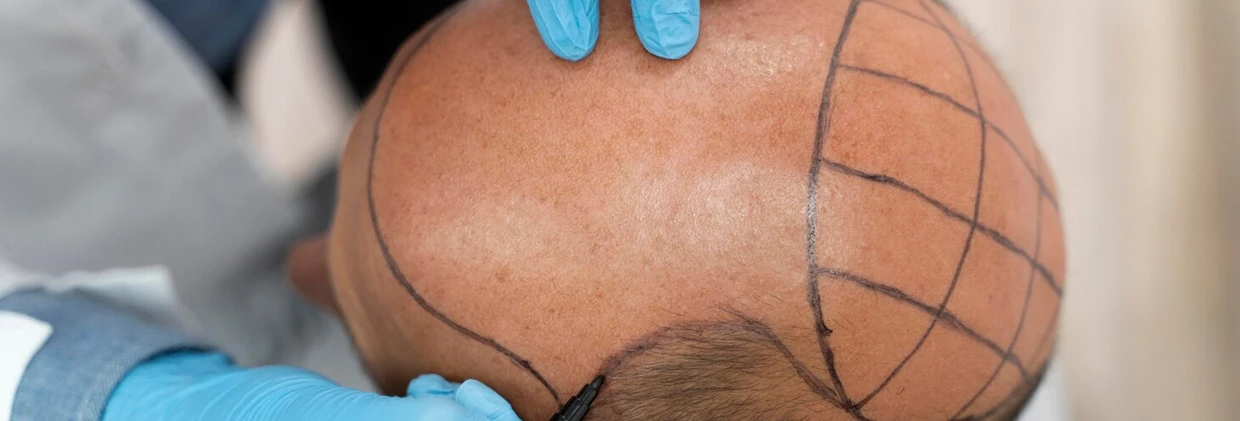
Before deciding on a hair transplant, your donor area capacity, hair loss type, and expectations must be thoroughly evaluated with a comprehensive hair analysis. This analysis allows the surgeon to determine exactly where and how to best utilize the precision provided by the DHI technique.
If you need densification, expect artistic finesse in your natural hairline, and prioritize a quick return to social life, DHI is the most ideal choice for you. To achieve the best results with the DHI technique, you can contact us.